 Ferndale
 Why Birch Bay Siding Has to Work Harder
Birch Bay sits right on the water, and that changes what a siding job actually has to survive. Homes here take on salt-laden air off the Salish Sea, wind-driven rain that finds every gap in a wall system, and a long, damp shoulder season where moss and algae get a real foothold on anything that stays wet too long. A siding product that performs fine twenty minutes inland in Ferndale doesn't automatically hold up the same way a few blocks from the beach.
Board and batten is a popular choice out here because the vertical lines suit the beach-cottage and Pacific Northwest cabin look a lot of Birch Bay properties are going for. But the style is only half the equation. The material behind it, and how it's installed, determines whether that look survives one Whatcom County winter or ten.
What Board and Batten Siding Actually Is
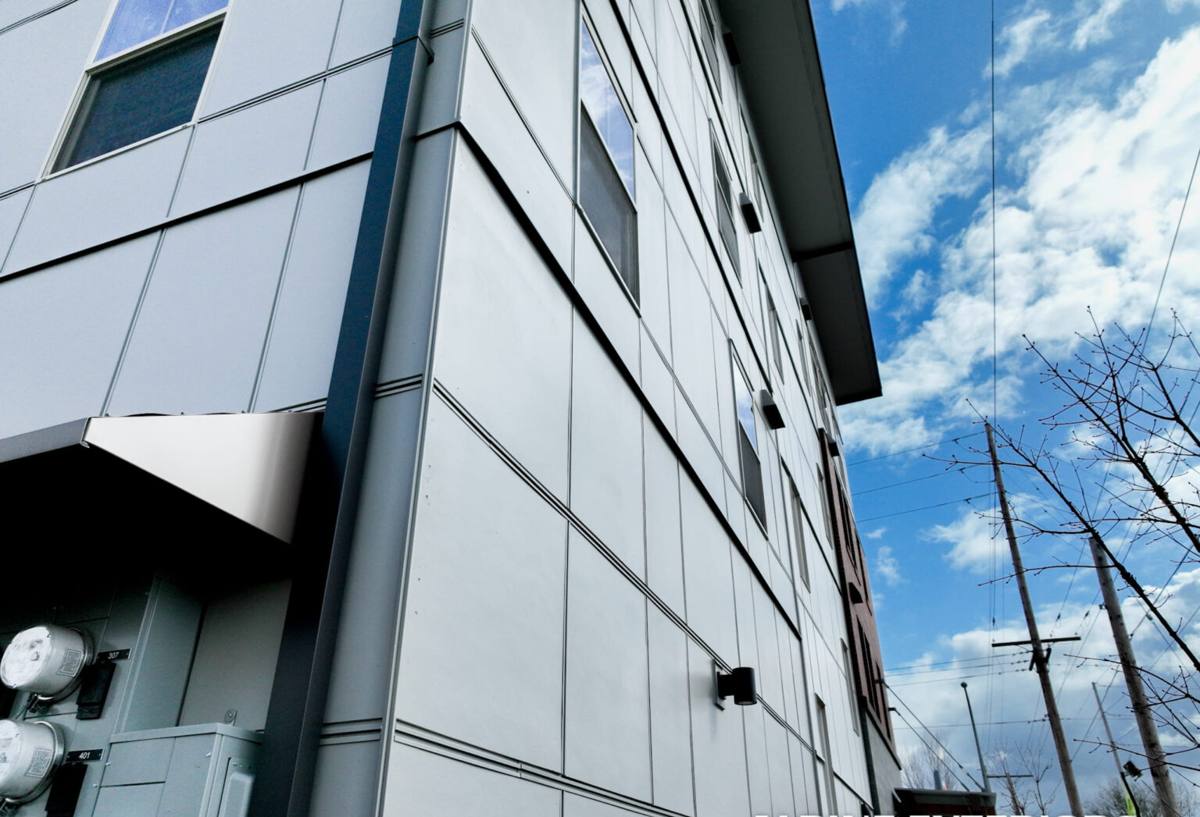
Board and batten is a vertical siding pattern: wide flat panels or boards installed side by side, with narrower strips (battens) covering the seams between them. It's one of the oldest siding styles in North America, originally a practical way to cover gaps in barn and farmhouse walls, and it's stuck around because the strong vertical lines read as clean, modern, or classic coastal depending on the trim and color choices around it.
On a house, board and batten can run as a full exterior, or as an accent — gables, dormers, a garage face, or a porch column wrap paired with horizontal siding elsewhere. Either way, the seams under those battens are the part that decides whether the wall stays dry.
Why the Seams Matter More in a Place Like Birch Bay
Every seam in a board and batten wall is a place water can get pushed by wind. In a marine climate with steady onshore gusts and driving rain, that pressure is higher and more frequent than it is on a sheltered inland lot. If the panels, fasteners, or flashing behind the battens aren't handled correctly, moisture works its way in slowly, and the damage often doesn't show up until it's already behind the wall.
Why We Only Install This in James Hardie Fiber Cement
We get asked fairly often about vinyl board and batten or LP SmartSide, since both are cheaper up front and both are marketed for exactly this style. We don't install either one, and we think homeowners deserve the honest reasoning, not just a "we don't do that."
Vinyl board and batten looks the part from the street, but it's a thin plastic product that expands and contracts with temperature and can crack or warp under long-term UV and moisture cycling — and in a salt air environment, the fasteners and trim pieces that hold it are usually the first thing to show wear. LP SmartSide is a wood-strand product with a resin-treated core that performs reasonably well when it's installed exactly to spec and never gets a chance to sit wet, but wood-based cores are inherently more sensitive to sustained moisture exposure than fiber cement, and a coastal climate like Birch Bay's doesn't offer much margin for installation error.
James Hardie board and batten is fiber cement: sand, cement, and cellulose fiber, non-combustible, and dimensionally stable in a way wood and vinyl products aren't. It doesn't feed moss the way bare wood does, it doesn't warp with humidity swings, and it holds a factory finish instead of relying on field-applied paint to keep water out. That's the whole reason we standardized on it — not because we're chasing a brand name, but because it's the product that keeps doing its job on a house like the ones out here after the novelty of a new siding job has worn off.
The Hardie System We Use for This Look
For board and batten, we typically use Hardie vertical panel siding paired with Hardie trim battens, installed as an engineered system rather than a stack of individual boards nailed up by feel. The panels come with a factory-applied ColorPlus finish, which is baked on and warranted separately from the substrate — meaning the color layer is engineered to hold up to UV and salt air exposure without the chalking and fading you get from field-applied paint over time.
What a Correct Board and Batten Install Actually Involves
The finished look of board and batten is simple. What's happening behind it is not, and this is where most of the long-term performance is won or lost.
Water Management Behind the Panels
Every board and batten wall needs a drainage plane — a water-resistive barrier and, ideally, a rainscreen gap that lets any moisture that does get past the siding drain and dry out instead of sitting against the sheathing. In a climate that sees as much driving rain as Birch Bay does, skipping or shortcutting this step is one of the most common reasons siding fails early, regardless of what material sits on the outside.
Fastening and Batten Spacing
Hardie panels and battens have manufacturer-specified fastener patterns, edge clearances, and batten spacing. Fastening too close to an edge, using the wrong fastener type, or spacing battens incorrectly can void the manufacturer warranty and create weak points that show up as cracking or fastener pop within a few years, especially with the wind loads a waterfront-adjacent property sees.
Flashing at Windows, Doors, and Transitions
Board and batten's vertical seams have to tie cleanly into window and door flashing, roof-to-wall transitions, and any horizontal siding it's paired with. This is detail work — it's not visible once the job is done, and it's exactly the kind of thing that gets rushed on a bid that's priced too low to cover the labor it actually takes.
Comparing Board and Batten Materials
| Factor | James Hardie Fiber Cement | Vinyl | LP SmartSide / Wood |
|---|---|---|---|
| Performance in salt air | Stable, non-combustible, engineered finish | Can become brittle; trim/fasteners show wear | Sensitive to sustained moisture exposure |
| Moss/algae resistance | Doesn't feed organic growth like bare wood | Resists growth but traps moisture behind it if installed poorly | More susceptible if coating is compromised |
| Finish durability | Factory ColorPlus finish, separately warranted | Color molded in but fades/chalks over time | Field-applied paint needs recoating |
| Fire resistance | Non-combustible | Combustible | Combustible |
| Typical lifespan when installed to spec | Decades, with proper maintenance | Variable; UV and impact sensitive | Shorter if moisture control fails |
Our Process for a Birch Bay Board and Batten Job
We walk the property first and look at exposure — how much of the wall faces the water, where wind-driven rain hits hardest, and where moss and algae are already establishing on the existing siding, trim, or roofline. That exposure assessment shapes the drainage plane, flashing details, and batten layout before a single panel goes up.
From there, the job runs in order: remove and dispose of the old siding, inspect and repair sheathing where needed, install the water-resistive barrier and drainage plane, hang the Hardie panels to manufacturer fastening spec, install trim and battens, and seal and finish all transitions. We don't skip steps to hit a lower number — the steps are what make the finished wall actually perform in this climate.
What to Ask Any Contractor Bidding Board and Batten in Birch Bay
- Do they install a drainage plane / rainscreen behind the siding, or panels direct-to-sheathing?
- Are they a certified or experienced James Hardie installer, and can they explain the fastening spec for vertical panels?
- How do they detail flashing at windows, doors, and roof-to-wall transitions?
- Do they have experience specifically with waterfront or near-waterfront properties in Whatcom County?
- What does their warranty cover — labor, materials, or both — and for how long?
- Will they show you the batten spacing and fastener plan before installation starts, not just a finished-look rendering?
Maintenance in a Salt Air, Moss-Heavy Climate
Board and batten in Hardie fiber cement is low-maintenance compared to wood or vinyl, but "low-maintenance" isn't "no-maintenance" in a place like Birch Bay. A yearly rinse to clear salt residue and organic buildup, especially on north- and west-facing walls that stay shaded and damp longer, goes a long way. Keeping gutters clear and vegetation trimmed back from the siding reduces the moisture and debris that feed moss growth during the long wet season. Caulking at trim joints should be checked periodically, since UV and salt exposure break down sealants faster here than they do further inland.
Why Local Experience Matters for This Job
Board and batten done right in Birch Bay isn't the same job as board and batten done right in a dry inland climate. The wind exposure, salt air, and moss pressure change the drainage detailing, the fastener choices, and even where we recommend using it as an accent versus a full exterior. A crew that's worked Whatcom County's coastal properties knows which walls need the extra attention before the first panel ever goes up, instead of finding out after a callback two winters later.
If you're considering board and batten siding for a home in Birch Bay, we're happy to come take a look, walk the exposure with you, and put together a straightforward estimate — no pressure, no inflated scare tactics about your current siding. Use the form below to get started.