 Ferndale
 Windows in Cordata Face a Specific Kind of Wear
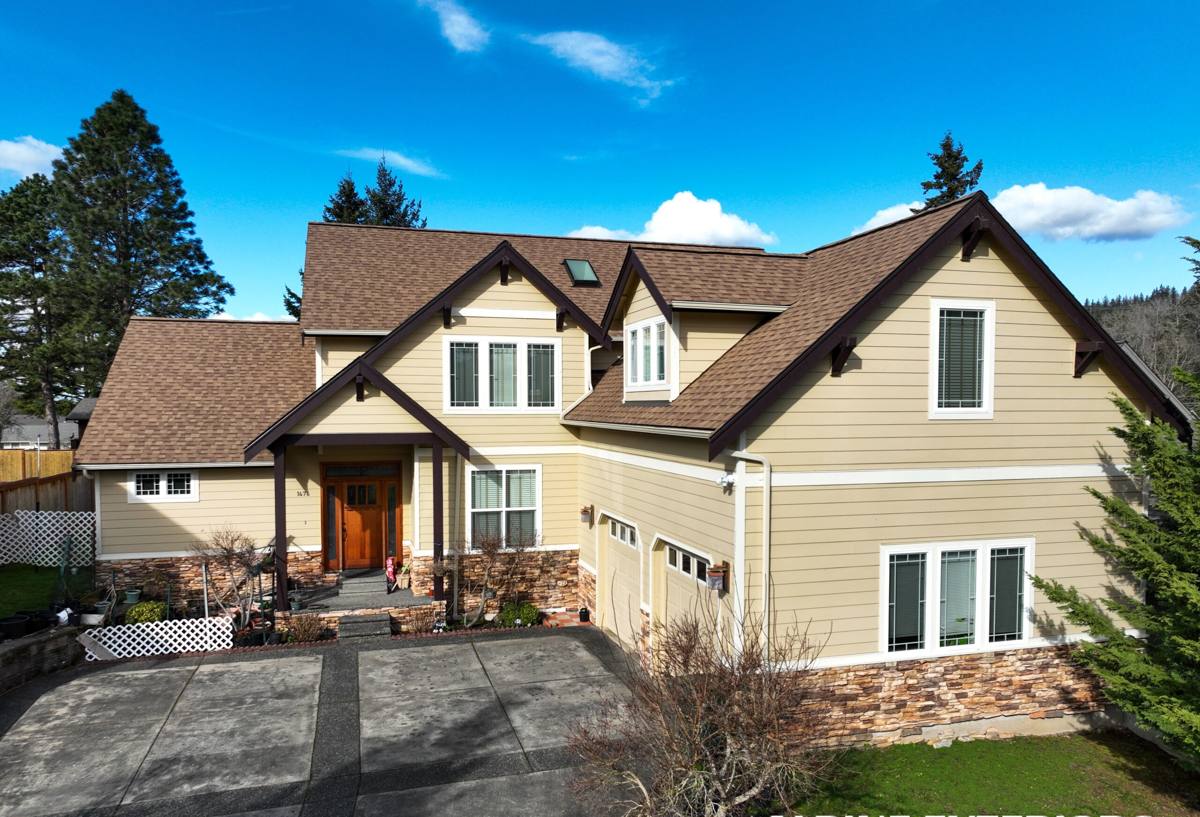
Homes in the Cordata area sit in a part of Whatcom County where the weather doesn't do anything in half-measures. Moist air moves in off the water, rain comes sideways more often than straight down, and the shoulder seasons stretch long enough that surfaces rarely get a real chance to dry out. Windows take the brunt of that. They're the one part of the exterior envelope that's supposed to open and close, seal and unseal, and still keep water out year after year. When a window was installed correctly, that's exactly what it does. When it wasn't, you find out during the first real windstorm of the season.
We work on homes throughout Ferndale and the surrounding Whatcom County communities, and the failure patterns we see in Cordata track closely with what we see everywhere else nearby: frames that trap moisture instead of shedding it, flashing details that were skipped to save time, and glazing that was never matched to how much direct weather that particular wall actually takes. Custom windows done right solve for the specific exposure of your house — not a generic spec sheet.
Signs Your Windows Are Losing the Battle
Window failure is usually gradual, which is why homeowners often live with a problem for a year or two before calling anyone. Worth checking for:
- Fogging or a visible haze between the panes of a double-pane unit — the seal has failed and the gas fill is gone
- Soft or discolored wood at the sill or lower corners of the frame, inside or out
- Drafts you can feel with a hand near the frame on a windy day, even with the window latched
- Difficulty opening, closing, or locking — frames swell and shift as they take on moisture
- Green or black growth building up in the corners of the frame or on the sill, faster than it seems like it should
- Paint or finish that's bubbling or peeling specifically around the window opening, not the wall generally
Any one of these on its own might just mean a window needs attention. Several at once, especially on the same wall, usually points to a flashing or installation issue rather than the window unit itself — which matters, because replacing the glass without fixing the wall behind it just repeats the problem in a few years.
What a Correct Custom Window Installation Actually Involves
Removal and Wall Assessment
Pulling the old window is the point where you find out what's really been happening behind the trim. We check the sheathing and framing around the opening for soft spots, staining, or rot before anything new goes in. Skipping this step is how a "quick window swap" ends up sealing moisture damage inside a wall for another decade.
Flashing and Water Management
This is the part that determines whether a window will still be dry in ten years, and it's the part that's most often shortcut on a low-bid job. Proper flashing directs any water that gets past the exterior cladding down and out, away from the sheathing — sill pan flashing, correctly lapped house wrap, and window flanges installed in the right order so water always sheds downward and outward, never inward.
Sizing and Fit
Custom means the window is built or ordered to the actual opening, not a stock size trimmed to fit. That matters more in older Whatcom County homes, where openings have often shifted slightly over decades of settling and seasonal moisture cycles. A snug, accurate fit is what makes the sealing work possible in the first place.
Sealing and Interior/Exterior Finish
Backer rod and the right sealant at the right joints — not just a bead of caulk around the outside trim. Interior finish work gets buttoned up so the whole opening looks intentional, not patched.
Choosing a Window Frame Material for This Climate
Every frame material has a real trade-off. None of them are wrong for every situation — the right choice depends on the wall's sun and rain exposure, and how much upkeep you want to take on.
| Frame Material | Moisture Behavior | Maintenance | Best Fit |
|---|---|---|---|
| Vinyl | Won't rot; expands/contracts with temperature swings | Low — occasional cleaning | Most walls, budget-conscious replacements |
| Fiberglass | Very stable in wet/dry cycling, minimal expansion | Low | High-exposure walls, west and north faces |
| Wood-Clad | Good if cladding and flashing are correct; vulnerable if water gets behind the clad shell | Moderate to high — depends on install quality | Homes prioritizing a specific interior wood look |
| Aluminum | Conducts cold, prone to condensation without a thermal break | Low | Limited use; we're selective about where this makes sense here |
We tend to steer clients away from wood-clad units on the more exposed, weather-facing walls of Cordata homes — not because the product is bad, but because that construction only performs as well as the flashing detail behind it, and the moisture cycling common to this area gives an imperfect install nowhere to hide. That's a maintenance and installation-sensitivity call, not a knock on any manufacturer.
What Affects the Cost of a Custom Window Project
Every job is different, but the same handful of variables drive most of the price difference between one custom window project and another:
| Factor | Why It Matters |
|---|---|
| Number and size of openings | Larger and non-standard sizes require custom ordering, not stock units |
| Wall condition found during removal | Rot or sheathing repair adds labor and materials before the new window even goes in |
| Frame material chosen | Vinyl, fiberglass, and wood-clad price differently and have different lead times |
| Glazing package | Double vs. triple pane, low-E coatings, and gas fill affect both cost and performance |
| Trim and finish scope | Full trim replacement costs more than reusing sound existing trim |
We give a written, itemized estimate before any work starts, and we flag likely wall-condition issues up front where we can see warning signs from the exterior — but we're honest that the full picture isn't known until the old window is out.
How Our Process Works, Start to Finish
- On-site assessment. We look at each opening, the exterior cladding condition, and any signs of past water intrusion before quoting.
- Written estimate. Itemized, no vague allowances, and no pressure to sign on the spot.
- Ordering. Custom units are measured and ordered to the actual opening dimensions, accounting for any resizing the assessment calls for.
- Removal and wall check. Old windows come out, and we confirm the sheathing and framing are sound before installing anything new.
- Installation. Flashing, sealing, and fastening done in the correct sequence for water to always shed outward.
- Finish work. Interior and exterior trim completed to match the rest of the home.
- Final walkthrough. We check operation, sealing, and finish with you before calling the job done.
Why Hiring a Crew That Already Works This Area Matters
A window that's correct for a dry-climate installation manual isn't automatically correct for a wall in Whatcom County that spends a good part of the year damp. Crews who work Ferndale and the surrounding communities regularly build habits around that — heavier attention to flashing laps, more conservative sealant choices, and a default assumption that any wall could have some hidden moisture history worth checking. That's not a marketing point, it's just what repeated exposure to this climate teaches a crew over time. It also means we're not guessing at how a given wall assembly or siding type in this area tends to behave — we've already seen it.
Homeowner Maintenance Checklist
Even a correctly installed window benefits from a little seasonal attention. A short list worth running through once or twice a year:
- Check exterior caulk lines around each frame for cracking or separation, especially after the first year
- Clear debris and moss buildup from sills and tracks before it holds moisture against the frame
- Test that each window still opens, closes, and locks smoothly — resistance is often the first sign of a problem
- Look for condensation between panes, which signals a failed seal rather than something fixable with cleaning
- Inspect interior sills and the wall below each window for soft spots or discoloration
- Rinse salt residue and grime off exterior frames during a general home wash
Get an Honest Look at Your Windows
If your windows are drafty, fogged, hard to operate, or you've noticed damage around a frame, it's worth having someone look before the next wet season makes the problem worse. We offer free, no-pressure estimates for custom window projects in Cordata and throughout the Ferndale area — just fill out the form below and we'll come take a look.