 Ferndale
 Decking Built for Fairhaven's Coastal Conditions
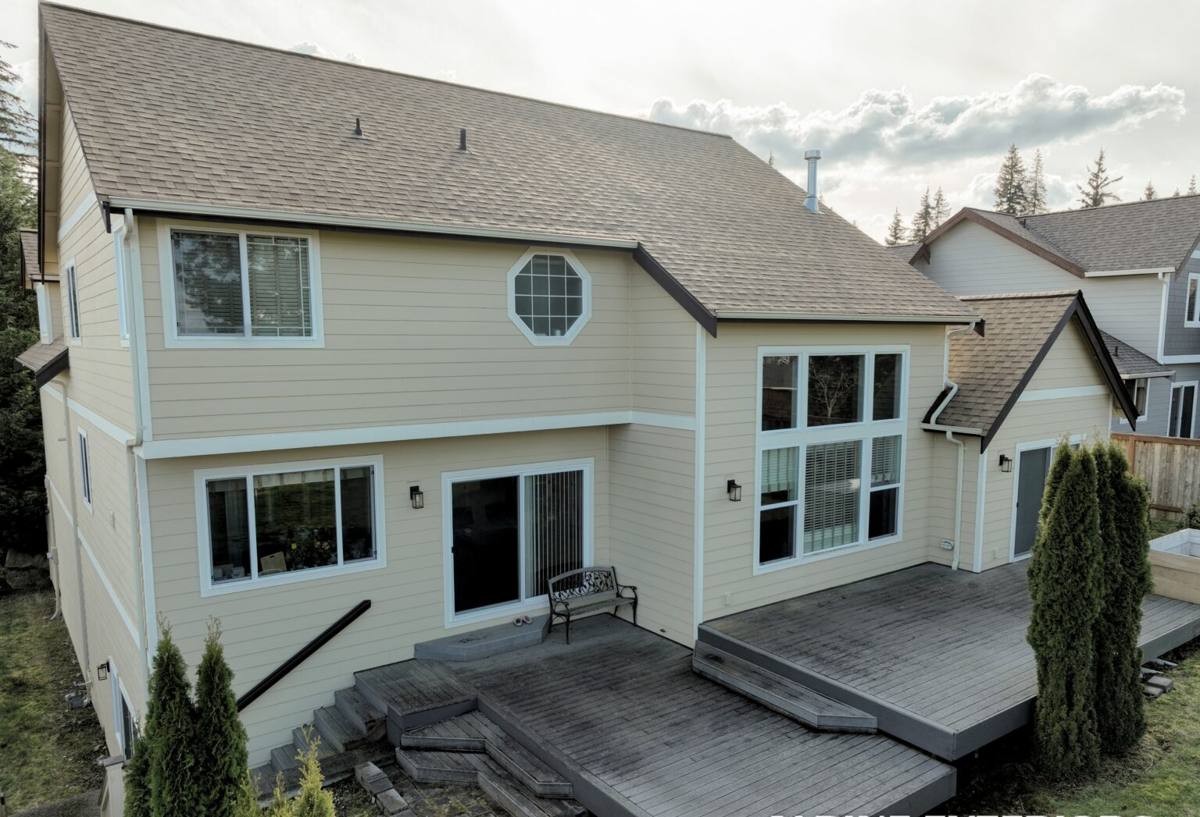
Homes near Fairhaven sit close enough to the water that decks take a different kind of beating than they would further inland. Salt-laden air corrodes hardware, driving rain finds every unsealed seam, and a moss season that can stretch from October well into spring keeps deck surfaces damp far longer than most manufacturers' installation guides assume. A deck built here needs to be planned for those specific conditions, not just installed from a generic spec sheet.
Ferndale Siding has worked on homes throughout Whatcom County long enough to know which details matter most in this environment and which ones homeowners in drier climates never have to think about. This page covers what a composite deck actually needs to hold up near Fairhaven, what our installation process looks like, and how to tell a properly built deck from one that will start showing problems in a few years.
What Salt Air, Rain, and Moss Actually Do to a Deck
Salt Air and Metal Hardware
Salt-laden air accelerates corrosion on any exposed metal — fasteners, joist hangers, post bases, and railing brackets. On a deck built with the wrong grade of hardware, you'll see rust streaks bleeding through the decking surface within a few seasons, and corroded fasteners lose holding strength long before they look obviously bad. This is one of the most common shortcuts we see on older decks near the water: standard hardware used because it was cheaper or already on the truck.
Driving Rain and Trapped Moisture
Whatcom County doesn't just get a lot of rain — a good share of it comes in sideways off Bellingham Bay, which pushes water into places a vertical rain never would: under rail post covers, behind fascia boards, into end grain at board cuts. Composite decking itself doesn't rot, but the substructure underneath it — joists, beams, and ledger connections — is almost always still wood, and that wood is exactly as vulnerable to trapped moisture as it's always been.
Extended Moss and Algae Season
Moss and algae need moisture, shade, and time, and Fairhaven's climate offers all three for most of the year. On decking with poor drainage or tight board spacing, you get a slick green film that's more than cosmetic — it's a slip hazard, and it accelerates surface wear if left to sit.
Why Composite Fits This Environment Well
Composite decking was developed to solve problems that show up faster in wet, marine climates than almost anywhere else: rot, splintering, cupping, and the endless cycle of sanding and refinishing that wood decking demands. For a Fairhaven property, the appeal isn't just low maintenance — it's that the material itself doesn't absorb water the way wood does, which removes one of the biggest long-term failure points in a coastal deck.
That said, composite isn't maintenance-free, and any contractor who tells you it is isn't being straight with you. It still needs to be cleaned, it can still grow moss on its surface, and the boards still need a substructure and installation detail that respects the climate. What composite does is shift the maintenance burden from structural repair to simple surface cleaning — a trade that makes a lot of sense here.
Capped Composite vs. Uncapped Composite vs. Wood
| Material | Moisture Resistance | Maintenance | Typical Lifespan |
|---|---|---|---|
| Capped composite (PVC or polymer shell) | Excellent — sealed surface resists staining and moisture uptake | Periodic cleaning; no sealing or staining | 25–30+ years |
| Uncapped composite (wood-plastic blend) | Good, but exposed fibers can absorb moisture over time | Occasional cleaning; more prone to surface mold in shaded, damp spots | 15–25 years |
| Pressure-treated or cedar wood | Fair — depends entirely on ongoing sealing | Annual cleaning, sanding, and sealing/staining | 10–15 years before major repair or replacement |
For a shaded, damp lot near the water, we generally steer homeowners toward capped composite. It's a higher upfront material cost, but in this climate the difference in how the surface handles standing moisture and moss growth is noticeable within the first couple of wet seasons, not just over the long run.
What a Correct Composite Deck Installation Actually Involves
Composite decking is often marketed as an easy upgrade, and the boards themselves are relatively simple to work with. The part that determines whether a deck lasts is everything underneath and around the boards — the part homeowners don't see once the project is done.
Substructure and Framing
We build the substructure to handle sustained moisture exposure, not just span tables on a spec sheet. That means appropriate joist spacing for the composite product being used (composite typically needs tighter spacing than wood), pressure-treated or naturally durable framing lumber, and attention to how water will move once it hits the underside of the deck.
Ledger Attachment and Flashing
Where a deck attaches to the house is the single most common point of failure on any deck, composite or wood. Proper flashing at the ledger board keeps water from working its way into the rim joist and wall framing behind it — a detail that's invisible once the deck is finished but is the difference between a deck that lasts decades and one that causes a hidden moisture problem in the house itself.
Hardware and Fasteners
Given the salt air near Fairhaven, we use fasteners and structural hardware rated for coastal or marine-grade exposure — typically stainless steel or a coated fastener rated for ACQ-treated lumber contact. Standard zinc-coated hardware corrodes faster here than it would twenty miles inland, and once a fastener starts to fail, the fix usually means pulling boards to get at it.
Drainage and Ventilation
Proper board spacing and a substructure that allows airflow underneath the deck both matter for keeping moisture from sitting against the framing. On low decks close to grade, we also pay attention to grading and drainage below the structure itself, not just the surface above it.
Our Process, Start to Finish
- On-site assessment: We look at the existing structure (if there is one), grade and drainage around the deck footprint, sun and shade exposure, and how the deck ties into the house.
- Material selection: We walk through composite options with you based on your budget, the deck's exposure to sun and moisture, and how the space will actually be used.
- Design and layout: Board direction, railing style, stairs, and any built-in features are planned before framing begins, since changes get expensive once posts are set.
- Permitting: Most deck projects in Whatcom County require a permit, particularly for structures attached to the house or built above a certain height. We handle this as part of the project.
- Framing and structural work: Footings, posts, beams, joists, and ledger attachment are built to code and to the climate conditions described above.
- Decking, railing, and finish work: Composite boards are installed with manufacturer-specified clips or fasteners, followed by railing, stairs, and any trim or fascia.
- Final walkthrough: We go over the finished deck with you, including basic care guidance specific to the product installed.
Cost Factors for a Fairhaven Composite Deck
Every deck is different, and we won't quote a number without seeing the site, but these are the variables that most affect what a project costs:
| Factor | Why It Matters |
|---|---|
| Deck size and shape | Square footage and complexity (angles, multiple levels) drive material and labor costs directly |
| Height above grade | Taller decks need more substantial footings, posts, and often stairs and additional railing |
| Composite product tier | Capped composite costs more upfront than uncapped, but requires less long-term maintenance |
| Substructure condition | Replacing an existing deck may allow reuse of sound framing; salt-air corrosion often means it can't |
| Railing and stair details | Composite or aluminum railing systems vary widely in cost compared to basic wood rail |
| Site access | Decks on tight lots or with limited equipment access can add labor time |
Maintaining a Composite Deck Through a Wet Whatcom County Winter
Composite decking cuts maintenance significantly compared to wood, but "low maintenance" isn't "no maintenance," especially with a moss season as long as this region's.
- Sweep debris off the deck regularly — trapped leaves and needles hold moisture against the surface and feed moss and algae growth.
- Rinse the deck periodically with a hose, and use a soft-bristle brush with mild soap on shaded or north-facing areas where moss tends to establish first.
- Avoid pressure washers on the highest settings, especially on uncapped composite — excessive pressure can damage the surface texture.
- Check railing posts and stair connections once a year for any looseness, which can signal a hardware or moisture issue underneath.
- Keep gutters and downspouts near the deck clear so runoff isn't dumping directly onto or under the deck structure.
- Trim back overhanging vegetation where possible to reduce shade and speed up drying time after rain.
Why Hiring a Crew That Already Works This Area Matters
A deck built to a generic national spec sheet will often function fine in a dry climate and start showing problems within a few years near Bellingham Bay. The difference isn't the composite decking itself — it's every decision made around it: hardware grade, flashing detail, substructure spacing, and drainage planning. Those are judgment calls that come from having actually dealt with what salt air and a long wet season do to decks in this specific area, not just from following a manufacturer's minimum installation guide.
We're a local, licensed exterior contractor working throughout Ferndale, Bellingham, and the surrounding Whatcom County communities, including Fairhaven. That means when we recommend a fastener grade or a framing detail, it's based on what we've seen hold up here — not a national average.
Signs of a Properly Installed Composite Deck
Whether you're evaluating a new build or an existing deck, these are the details worth checking:
- Consistent, even board spacing with no pooling water after rain
- Flashing visible (or documented) at the ledger board where the deck meets the house
- Stainless or coated corrosion-resistant hardware, not standard zinc fasteners, especially near the water
- Solid, non-flexing railing posts with proper blocking underneath
- Adequate airflow and clearance underneath the deck, not decking sitting flush against damp grade
- A manufacturer's warranty document for the specific composite product installed
Get a Straightforward Estimate
If you're planning a new deck or replacing one that's showing its age near Fairhaven, we're glad to take a look and walk you through honest options for your budget and site conditions. The estimate is free, there's no pressure to commit on the spot, and you'll get a clear explanation of what your specific property needs — not just a generic quote. Use the form below to get started.