 Ferndale
 Lummi Island's Siding Problem Isn't Like Ferndale's
Lummi Island sits out in the salt water of Whatcom County, and that changes what siding has to survive. Homes just a few miles inland in Ferndale deal with plenty of Pacific Northwest rain, but island homes take on something extra: near-constant airborne salt, wind-driven rain that hits siding at an angle instead of falling straight down, and a moss and algae season that runs longer than most homeowners expect. None of that is dramatic on its own. It's cumulative. A siding product or installation detail that holds up fine in a sheltered inland yard can start failing years earlier out on the island, and by the time it shows up as a visible problem, there's usually already moisture damage underneath.
Siding repair on Lummi Island is a different job than a routine patch somewhere drier. It requires knowing where salt-driven corrosion and trapped moisture actually hide, not just fixing what's visible from the ground.
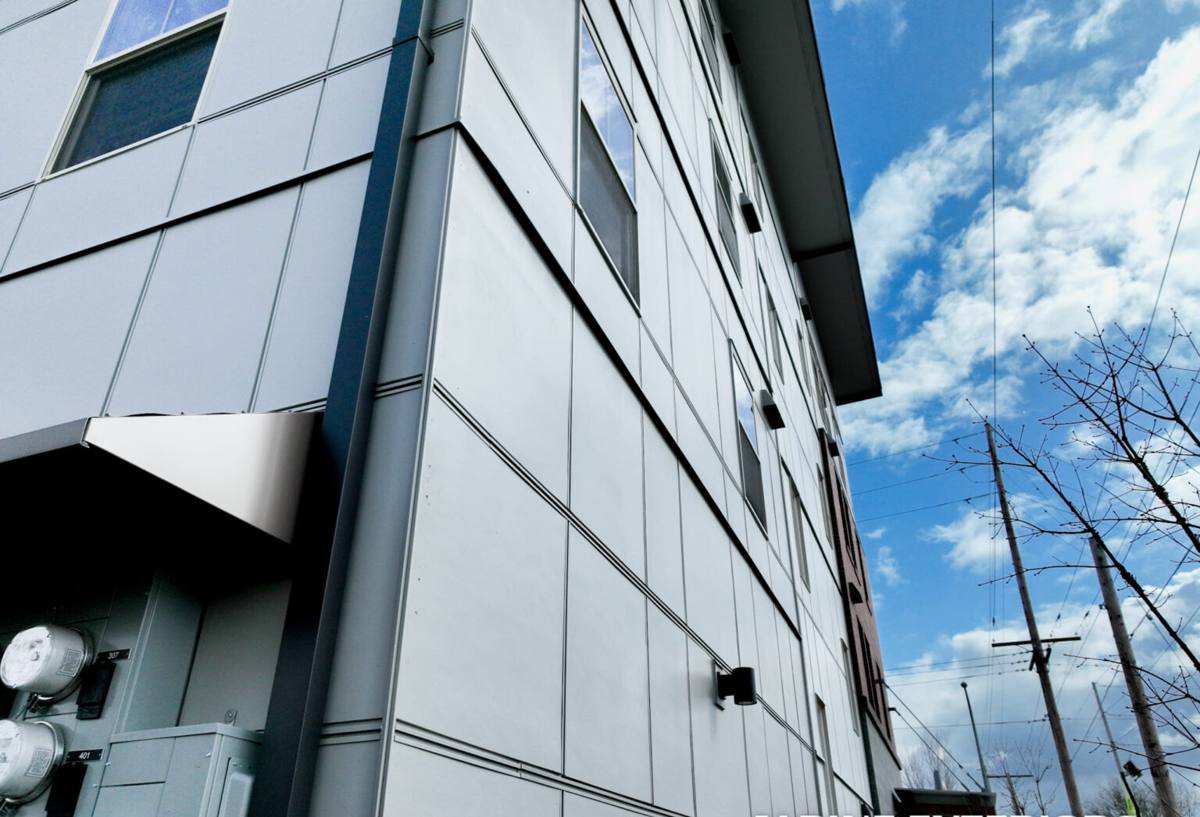
What Salt Air, Driving Rain, and Moss Actually Do to Siding
Salt Air
Airborne salt is corrosive to metal fasteners, flashing, and trim components long before it does anything visible to the siding material itself. Nails, screws, and flashing that aren't rated for coastal exposure can start losing integrity years ahead of schedule, which means a board that looks fine can actually be loosely fastened or backed by failing flashing.
Driving Rain
Wind off the water pushes rain sideways and up under laps, trim edges, and butt joints that were designed for water running straight down. Any gap, any undersized overlap, any missed caulk joint becomes an entry point. Over time, water finds its way behind the siding and into the wall assembly, where it does damage nobody sees until a repair is already overdue.
Moss and Algae
Shade, moisture, and a long wet season combine to give moss and algae a real foothold on north-facing and shaded walls. Beyond the appearance issue, moss holds moisture directly against the siding surface for extended periods, which accelerates any existing moisture problem in the material or the substrate behind it.
Signs Your Lummi Island Home Needs Siding Repair
- Soft or spongy spots when you press on the siding, especially near the bottom courses or around windows and doors
- Visible cracking, chipping, or checking in the siding surface
- Boards that have pulled away from the wall or show gaps at the laps
- Persistent moss or dark staining that keeps returning after cleaning
- Peeling or bubbling paint, which often signals moisture trying to escape from behind the board
- Rust streaking below fasteners or trim
- Any soft trim, especially around window and door casings
Any one of these on its own might be minor. Several together, especially on the weather-exposed side of the house, usually means water has already gotten behind the cladding.
What a Correct Siding Repair Actually Involves
1. Diagnose Before You Patch
A repair that only replaces the board you can see and skips checking what's behind it is a temporary fix at best. On Lummi Island specifically, we check the house wrap or building paper, the sheathing, and the framing in the affected area for moisture damage before closing anything back up. If the water intrusion has been going on for a while, the damage is often larger than the visible symptom.
2. Match the Material Correctly
Because we install James Hardie fiber cement exclusively, repairs on a Hardie-sided home involve matching the exact profile, exposure, and ColorPlus finish already on the wall. Mismatched replacement boards are one of the most common signs of an amateur repair — a visible seam of slightly different color or reveal that never blends in.
3. Correct the Flashing and Fastening
Given how much of this island's siding damage traces back to water finding its way behind the cladding, a repair that doesn't correct the underlying flashing detail is likely to fail again. That means proper head flashing above windows and trim, correct lap sequencing, and fasteners rated to hold up in a coastal environment.
4. Reseal and Finish to Spec
Caulking at butt joints and trim intersections needs to be done with a product and technique that holds up to sustained UV and salt exposure, not just whatever is on the truck. The finished repair should be weathertight and, from a normal viewing distance, invisible.
Repair vs. Replace: How We Decide
| Situation | Usually a Repair | Usually Points to Replacement |
|---|---|---|
| Damage location | Isolated section, single wall, or a handful of boards | Widespread across multiple elevations |
| Underlying sheathing | Sound once dried out | Soft, delaminated, or rotted over a large area |
| Siding age and material | Sound Hardie fiber cement elsewhere on the house | Aging vinyl, LP, or wood nearing the end of its service life |
| Cause | A single failed flashing detail or impact damage | Systemic moisture intrusion across the building envelope |
| Color match | Existing ColorPlus finish still available or close enough | Discontinued color or heavily faded existing siding |
We'll tell you honestly which category your home falls into. A full replacement isn't the right recommendation just because it's a bigger job — but a patch isn't the right call when the underlying problem is bigger than the board that's failing.
Why We Repair With James Hardie Fiber Cement Only
We don't install or repair with vinyl, LP SmartSide, primed spruce, cedar, or other fiber cement brands, and that standard applies to repair work too. On a property exposed to salt air and driving rain the way Lummi Island homes are, the material matters as much as the workmanship. James Hardie's HZ5 product line is engineered specifically for harsh climate zones, it's non-combustible, and the factory-applied ColorPlus finish resists the fading and moisture absorption that plain-primed products struggle with over time in coastal conditions. When we repair a Hardie-sided home, we can match into the existing product with confidence and back the work with a warranty structure that actually holds up. That consistency is part of why homeowners bring us back for repairs years after the original install.
Our Process for Lummi Island Jobs
Scheduling and Logistics
Working on Lummi Island means planning material delivery and crew scheduling around ferry access, which is a real factor a mainland-only contractor often doesn't account for. We build that into the estimate and timeline up front so there are no surprises about when work starts or how long it takes to get materials and crew back out for a follow-up.
On-Site Assessment
Every repair starts with an in-person look at the damage, the surrounding siding, and — where accessible — the wall assembly behind the failing section. We're not comfortable quoting a coastal repair sight unseen.
Repair and Cleanup
We remove only what needs to come off, address the moisture or fastening issue underneath, install matched Hardie material, and finish with correct flashing, fastening, and sealant. We clean up thoroughly before we leave — no debris left for the ferry-schedule inconvenience of a return trip.
Maintenance That Extends the Life of a Repair
- Rinse siding annually, and more often on shaded, moss-prone walls
- Trim back vegetation and tree cover that keeps walls damp and shaded
- Inspect caulking at trim and window edges yearly and re-caulk as needed
- Watch for early rust streaking near fasteners and address it before it spreads
- Address soft or discolored trim promptly rather than waiting for it to worsen
- Keep gutters and downspouts clear so roof runoff isn't adding to wall exposure
None of this is complicated, but on an island property where a small problem can go unnoticed longer between visits, a little regular attention goes a long way toward avoiding a bigger repair later.
Why Hiring a Crew That Already Works Lummi Island Matters
A contractor who mainly works dry, sheltered neighborhoods inland doesn't always think in terms of salt-rated fasteners, driving-rain flashing details, or ferry-dependent scheduling. Those aren't exotic requirements, but they're easy to miss if they're not part of your normal routine. We work throughout Whatcom County, including Ferndale and the surrounding coastal areas, and we treat island logistics and marine exposure as a standard part of planning the job, not an afterthought that adds cost or delay partway through.
If you're seeing early signs of trouble on your Lummi Island siding, or you just want an honest read on whether a section needs a repair or something more, we're happy to take a look. Reach out for a free, no-pressure estimate using the form below.