 Ferndale
 Siding Built for the Lummi Nation Waterfront Climate
Homes in and around Lummi Nation sit close to Bellingham Bay and the open water of the Salish Sea, which means the siding on these houses works harder than siding a few miles inland. Salt-laden air, wind-driven rain off the water, and long stretches of gray, damp weather all combine to break down siding materials that aren't built for it. We install James Hardie fiber cement siding specifically because it's engineered to handle this kind of exposure, and we've fitted it on homes throughout this stretch of Whatcom County long enough to know what actually holds up here and what doesn't.
This page focuses on one thing: fiber cement siding installation for homes in the Lummi Nation area. Not a general overview of siding, not a sales pitch for every product on the market — just what your home actually needs given where it sits, and how we approach the job to make sure it lasts.
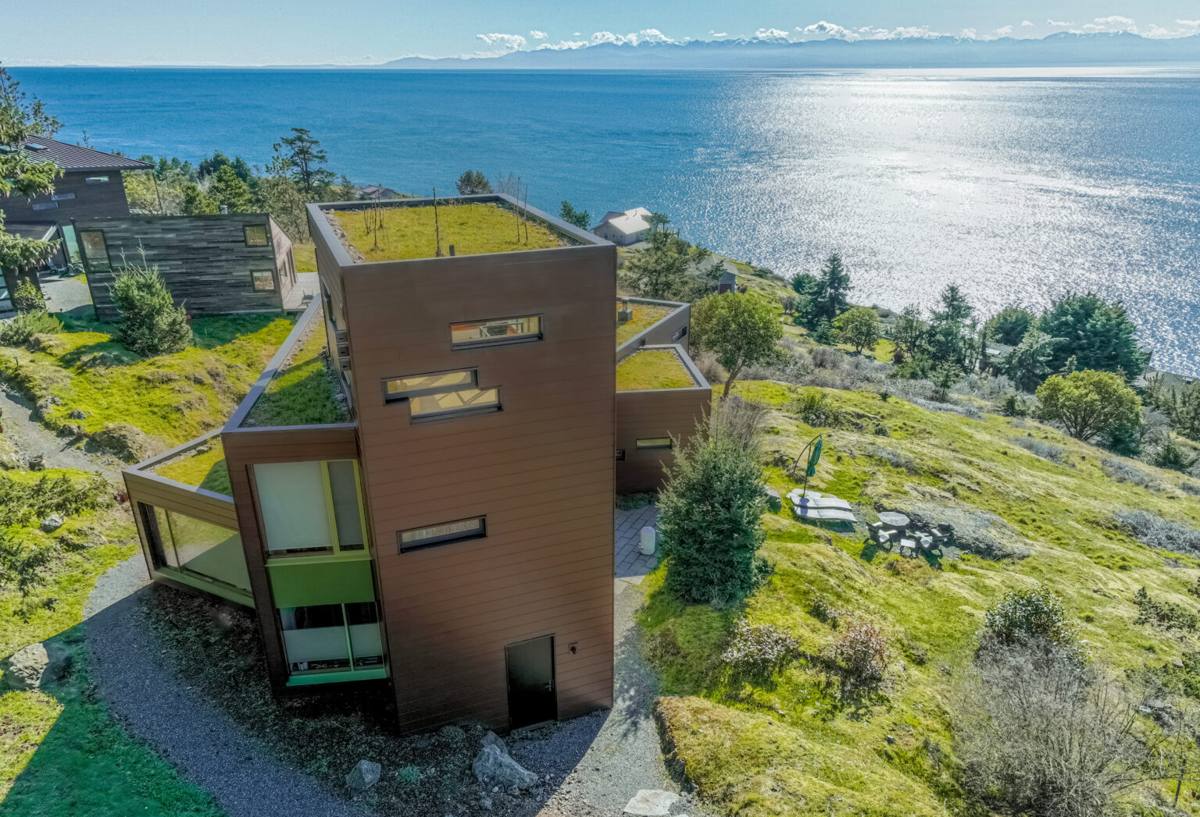
What Salt Air and Coastal Moisture Do to Siding
Proximity to saltwater changes the math on exterior materials. Salt is hygroscopic — it pulls moisture out of the air and holds it against a surface longer than it would sit on a home fifteen or twenty miles inland. Combine that with the near-constant humidity off the bay and you get a few specific problems:
- Wood and wood-based siding swells and checks faster near open water, because the fiber absorbs both rain and airborne moisture, then dries unevenly.
- Paint and coatings break down sooner under salt exposure, which means more frequent repainting on materials that depend on a surface coat for protection.
- Metal fasteners and trim corrode faster if they aren't rated for coastal exposure, which is why fastener choice matters as much as the siding panel itself.
- Moss and algae get a longer growing season on north-facing and shaded walls, since the combination of shade, moisture, and mild temperatures rarely lets a wall fully dry out for months at a time.
None of this is unique to Lummi Nation — it's true anywhere on the Whatcom County coastline — but it's more pronounced the closer a home sits to the water and the more exposed it is to wind coming off the bay.
Why We Only Install James Hardie Fiber Cement Here
Fiber cement isn't one product — quality and formulation vary by manufacturer, and in a marine-influenced climate those differences matter more than they would in a dry inland location. We standardized on James Hardie for every siding job we do, including here, for a few concrete reasons:
- Non-combustible core. Fiber cement won't ignite, rot, or feed insects the way wood-based products can, which matters on homes that already deal with heavy moisture cycling.
- ColorPlus factory finish. The color is baked on in a controlled factory process rather than field-applied, which holds up better against salt air and UV than a job-site paint job, and it comes with its own finish warranty.
- HZ5 climate engineering. Hardie makes region-specific formulations, and the HZ5 line is built for the wetter, more moisture-exposed climates found in the Pacific Northwest — including areas like this one that sit right on the water.
- Track record when installed correctly. Fiber cement's biggest failures almost always trace back to installation mistakes — wrong fasteners, missing clearances, poor flashing — not the product itself. That puts the responsibility on the installer, which is exactly where we think it belongs.
We don't install vinyl, LP SmartSide, or primed wood siding, and we won't pretend those products don't have their place elsewhere. But for a home exposed to this much salt air and rain, we don't think they hold up the way fiber cement does, and we'd rather turn down a job than install something we don't believe will last on this coastline.
What a Correct Installation Looks Like on This Coastline
Fiber cement is only as good as the installation behind it. On a home near Lummi Nation, a handful of details matter more than they would on a dry, sheltered inland lot:
Drainage plane and rainscreen gap
A proper water-resistive barrier behind the siding, with a ventilated gap between the barrier and the panel, lets any moisture that gets past the siding drain and dry out instead of sitting against the wall sheathing. On a home this close to the water, skipping this step is one of the fastest ways to end up with hidden rot behind the siding within a few years.
Fastener selection
Hardie specifies corrosion-resistant fasteners, and in a salt-air environment that's not optional — it's the difference between fasteners that hold for decades and ones that streak, weaken, or fail early. We match fastener type to the exposure, not just to what's fastest to install.
Clearances and flashing
Manufacturer-specified clearances from grade, roof lines, decks, and other siding terminations keep water from wicking into the bottom edge of the panels. Flashing at windows, doors, and any horizontal trim needs to shed water outward, not trap it against the wall assembly — a detail that shows up more often in coastal installs because there's simply more water to manage.
Caulking and sealant discipline
Joints and penetrations need the right sealant, applied correctly, and not overused as a substitute for proper flashing. Over-caulking is a common shortcut that traps moisture rather than shedding it.
Dealing With Moss and Algae Once Siding Is Installed
Even correctly installed fiber cement will pick up surface moss and algae on shaded, north-facing walls in this climate — that's a function of the local weather, not a flaw in the material. The advantage of ColorPlus fiber cement is that the factory finish resists staining better than field-applied paint, and surface growth can typically be washed off with a gentle rinse rather than requiring repainting. We walk homeowners through simple maintenance expectations at the end of every job so there are no surprises the first wet winter.
Our Process for a Lummi Nation Siding Job
- On-site assessment. We look at wall orientation, existing moisture damage, current siding condition, and how exposed the home is to wind and rain off the water.
- Tear-off and sheathing inspection. We remove old siding and check the sheathing underneath for hidden rot before anything new goes up — this step catches problems a surface-level look would miss.
- Water-resistive barrier and rainscreen. We install the drainage plane and ventilation gap specified for the HZ5 product line.
- Panel installation. Hardie panels, lap siding, or trim go up per manufacturer clearance and fastening specs, adjusted for this site's exposure.
- Flashing and sealant detail work. Every window, door, and penetration gets flashed and sealed to shed water outward.
- Final walkthrough. We review the finished work with the homeowner and cover basic maintenance for the local climate.
Cost Factors for Fiber Cement Siding Near Lummi Nation
Every home is different, but a few factors consistently move the price on jobs in this area:
| Factor | Why It Matters Here |
|---|---|
| Wall exposure to wind and salt spray | More exposed walls may need additional flashing or fastener upgrades |
| Condition of existing sheathing | Hidden moisture damage from prior siding adds repair scope before new siding goes on |
| Home size and wall complexity | More corners, trim, and penetrations mean more labor and detail work |
| Siding profile chosen | Lap siding, panel siding, and shingle-style Hardie products differ in material and labor cost |
| Access and site conditions | Waterfront lots and tight setbacks can affect staging and equipment access |
We give straightforward, itemized estimates rather than vague ranges, because on a coastal home the difference between a quick reside and one that needs sheathing repair can be significant.
What to Ask Before Hiring Anyone for This Job
- Are they a certified or experienced James Hardie installer, and can they explain the HZ5 product line specifically?
- Will they inspect and document sheathing condition before installing new siding?
- Do they specify corrosion-resistant fasteners for coastal exposure, or just whatever's standard stock?
- Do they include a rainscreen/drainage plane in their standard install, or only on request?
- Can they explain their flashing approach at windows, doors, and trim terminations in plain language?
A contractor who can answer these clearly, without hedging, is one who's actually done this work on homes like yours — not just siding in general, but siding on a home that deals with this much salt air and rain.
Why Local Experience on This Coastline Matters
A crew that mostly works dry, inland neighborhoods will make different assumptions than one that works Whatcom County's waterfront regularly. We've installed fiber cement on homes across this stretch of coastline, and that experience shows up in the small decisions — where to add extra flashing, which walls need a wider rainscreen gap, which fastener spec to use given how close a home sits to the water. Those aren't things you learn from a manufacturer's install guide alone; they come from doing the work in this specific climate, repeatedly, and paying attention to what holds up.
If you're planning a siding project near Lummi Nation, we're happy to walk your home, point out what your walls are dealing with, and put together a clear, no-pressure estimate — use the form below to get started.