 Ferndale
 New Roof Installation Built for Cordata's Climate
Cordata sits close enough to the Salish Sea and the Nooksack lowlands that homes here take on a specific kind of weather load: salt-tinged air drifting in off the water, long stretches of driving rain through fall and winter, and a moss season that seems to start earlier every year. None of that is unusual for Whatcom County, but it does mean a roof that's installed without those conditions in mind will show problems faster than the same roof would somewhere drier and further inland. A correct new roof installation in this area isn't just about swapping old shingles for new ones — it's about building in the drainage, ventilation, and material choices that actually hold up here.
This page covers what a proper new roof installation looks like for a Cordata home specifically: what the climate demands, how the job should be done, what it costs to get right, and why local experience matters as much as the materials themselves.
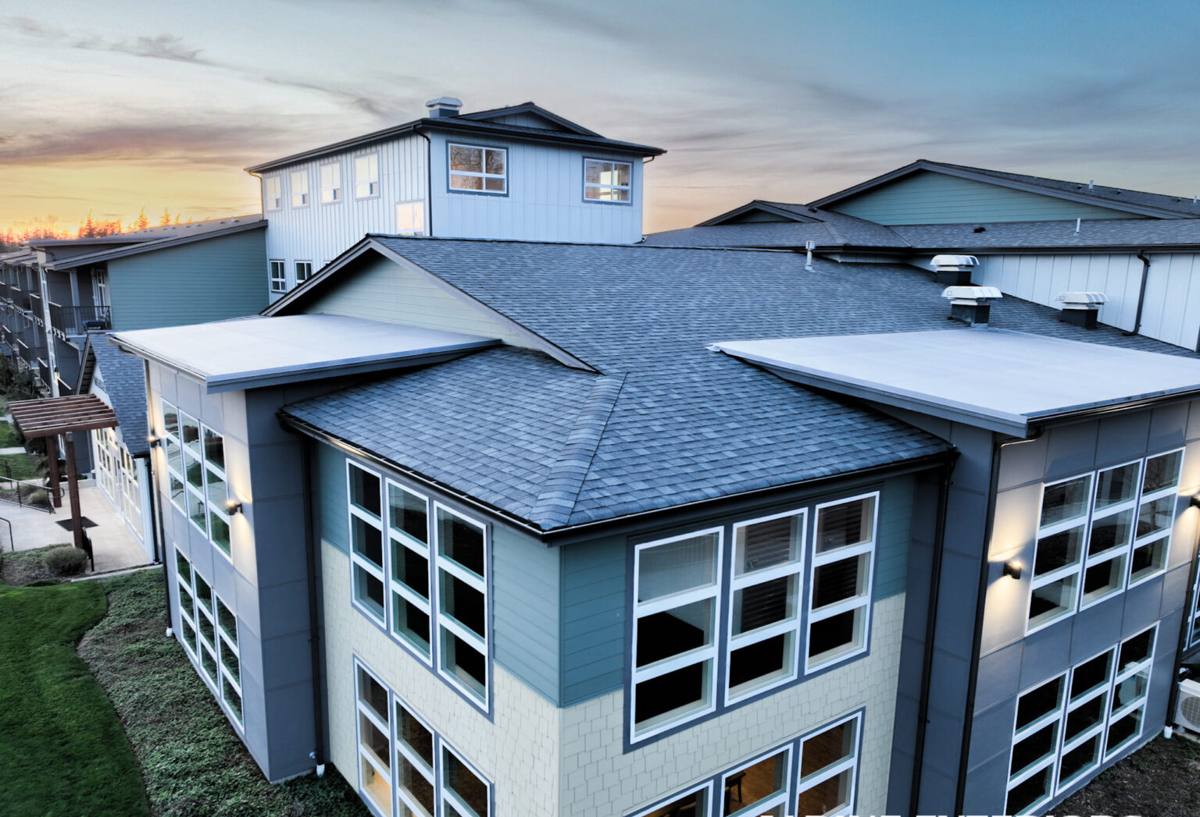
What Cordata's Weather Actually Does to a Roof
Salt Air and Metal Fatigue
Homes closer to the water deal with airborne salt that accelerates corrosion on unprotected metal — flashing, fasteners, gutter hardware, and vent caps all take the hit over time. It's a slow process, but it's steady, and it's one of the more overlooked reasons a roof that looks fine from the ground can have compromised metal components underneath.
Driving Rain and Wind-Driven Water
This part of Washington gets rain that doesn't just fall straight down — wind pushes it sideways under eaves, around chimneys, and into any gap in flashing or underlayment that a fair-weather installation might get away with elsewhere. A roof here needs redundant water management, not just a single line of defense.
Moss, Shade, and Extended Damp Season
Cordata's mix of mature trees and long overcast stretches keeps roof surfaces damp for extended periods, which is exactly what moss and algae need to take hold. Left unchecked, moss doesn't just look bad — it lifts shingle edges, holds moisture against the roof deck, and shortens the life of the roofing material significantly.
What a Correct New Roof Installation Includes
A new roof is more than the visible shingle or metal panel layer. The parts you don't see are what determine whether the roof performs for its full expected lifespan in a climate like this one.
- Full tear-off: Installing new roofing over old layers traps moisture and hides deck damage — we remove down to the deck on every new install.
- Deck inspection and repair: Any soft, rotted, or delaminated sheathing gets identified and replaced before anything new goes down.
- Ice and water shield at vulnerable areas: Eaves, valleys, and roof-to-wall transitions get a self-adhering waterproof membrane, not just standard underlayment, because these are the spots where driving rain finds its way in.
- Synthetic underlayment across the field: A durable, water-resistant layer under the whole roof, not just the high-risk zones.
- Corrosion-resistant flashing and fasteners: Given the salt air exposure here, we don't cut corners on metal quality around chimneys, skylights, and sidewalls.
- Balanced intake and exhaust ventilation: Proper airflow keeps the deck dry from underneath and reduces the moss-friendly moisture buildup that comes with a damp, shaded lot.
- Correct nailing pattern and manufacturer specs: Wind and rain exposure make it important that shingles or panels are fastened exactly to spec — not just close enough.
Choosing a Roofing System for a Cordata Home
There's no single "best" roofing material — the right choice depends on the home's roof pitch, tree cover, budget, and how long the owner plans to stay in the house. Here's how the common options compare for this specific climate.
| Material | How It Handles Local Climate | Typical Lifespan | Maintenance Consideration |
|---|---|---|---|
| Architectural asphalt shingle | Good performance with proper ventilation and moss treatment; most common choice | 25-30 years | Needs periodic moss/algae treatment in shaded areas |
| Standing seam metal | Excellent water shedding on steeper pitches; sheds moss buildup better than shingle | 40-50+ years | Requires quality coating and corrosion-resistant fasteners near the water |
| Synthetic/composite shingle | Strong impact and moisture resistance; holds up well in damp, shaded lots | 30-50 years | Higher upfront cost, lower long-term upkeep |
| Cedar shake | Traditional look but higher moisture and moss vulnerability in this climate | 20-30 years with diligent upkeep | Needs regular treatment and inspection; higher maintenance burden here |
We'll walk through these trade-offs honestly during an estimate rather than pushing whatever's easiest to install. A steep, shaded lot in Cordata with heavy tree cover is a very different roofing decision than an open, sunnier one a few streets over.
Ventilation: The Step That Gets Skipped Too Often
Ventilation doesn't show up in photos and it's easy for a rushed installation to under-deliver on it, but it's one of the most important factors in how long a roof lasts in a wet, shaded climate. Without balanced intake at the eaves and exhaust at the ridge, warm moist air gets trapped in the attic, condenses against the underside of the deck, and creates the exact damp conditions that feed rot and moss growth from the inside. We calculate ventilation needs based on the attic's square footage and existing intake, not just add a ridge vent and call it done.
Our Installation Process
- On-site inspection and estimate: We assess the current roof, deck condition, ventilation, and any moss or moisture damage, and walk the homeowner through material options honestly.
- Material selection and scheduling: Once a system is chosen, we schedule around the weather window — timing matters more here than in drier climates.
- Protection of the property: Landscaping, siding, and gutters get protected before tear-off begins.
- Full tear-off and deck inspection: Old roofing comes off completely; any deck repairs are identified and addressed before moving forward.
- Waterproofing and underlayment installation: Ice and water shield at vulnerable zones, synthetic underlayment across the field.
- Flashing, ventilation, and roofing material installation: Installed to manufacturer spec, with corrosion-resistant hardware throughout.
- Final walkthrough and cleanup: Full site cleanup, magnetic sweep for stray fasteners, and a final inspection with the homeowner before we consider the job done.
Signs a Cordata Home Might Need a New Roof
Not every roof problem means a full replacement, but these are the signs worth having checked out sooner rather than later, especially heading into another wet season:
- Shingles that are cracked, curling at the edges, or missing granules in the gutters
- Visible moss or algae streaking, particularly on north-facing or shaded slopes
- Soft spots or sagging when walking the attic or viewing the roofline from the ground
- Daylight visible through the attic roof boards
- Water stains on interior ceilings or upper walls after heavy rain
- Flashing that's rusted, lifted, or separating around chimneys and vents
- A roof approaching or past the upper end of its expected material lifespan
Cost Factors for a New Roof Installation
Every roof is priced based on its own specifics, so we won't quote a number without seeing the job, but these are the factors that most affect what a Cordata homeowner should expect to budget for:
| Factor | Why It Matters |
|---|---|
| Roof size and pitch | Steeper or more complex rooflines take more labor and material to install correctly |
| Number of layers to remove | Tear-off cost rises with each existing layer of roofing material |
| Deck condition | Rotted or damaged sheathing found underneath adds repair cost before installation can proceed |
| Material choice | Asphalt, metal, and composite systems carry different material and labor costs |
| Ventilation upgrades | Adding proper intake/exhaust ventilation where it's currently inadequate |
| Access and site conditions | Tree cover, roof height, and property layout affect staging and labor time |
Why Local Experience Matters for This Job
A roofing crew that already works in and around Ferndale and the greater Whatcom County area understands things a crew from outside the region has to learn on the fly: how much moss pressure a shaded Cordata lot typically sees, which flashing details actually hold up against salt air over the years, and how to schedule a tear-off around the realistic rain windows this area gets rather than the ones on paper. That local pattern recognition shows up in fewer surprises during the job and a roof that's built for the conditions it will actually face, not generic conditions from a manufacturer's spec sheet.
It also means we're not disappearing once the install is done. A roofing job is one of the biggest investments a homeowner makes in a house, and having a crew nearby who knows the property and stands behind the work gives real peace of mind — not just during installation, but for the years of Cordata weather that follow.
After Installation: Keeping a New Roof Performing
A properly installed roof still benefits from basic upkeep in this climate. Keeping gutters clear of debris so water sheds correctly, having moss growth addressed before it spreads, and getting an occasional visual check after major storms all go a long way toward getting the full lifespan out of the investment. We're happy to walk homeowners through a simple maintenance rhythm that fits their specific roof and property.
If your Cordata home's roof is showing its age, or you just want an honest read on where things stand, we offer free, no-pressure estimates — no obligation, just a straight assessment of what your roof actually needs. Use the form below to get started.