 Ferndale
 Custer's Weather Is Harder on Vertical Siding Than People Expect
Custer sits far enough north in Whatcom County that homes here deal with a specific mix of weather: salt-laden air moving in off the water, wind-driven rain that hits siding at an angle instead of straight down, and a moss season that can stretch for most of the year in shaded, damp spots. Board and batten siding — with its vertical boards and raised battens — handles that mix differently than flat lap siding, and it's worth understanding why before you commit to a material or a contractor.
The vertical grain sheds water down the face of the board instead of across it, which is a real advantage in driving rain. But board and batten also creates more seams, more batten-to-panel joints, and more places where moisture can get trapped if the installation isn't done with drainage in mind. In a climate like Custer's, the material and the installation method matter as much as the look.
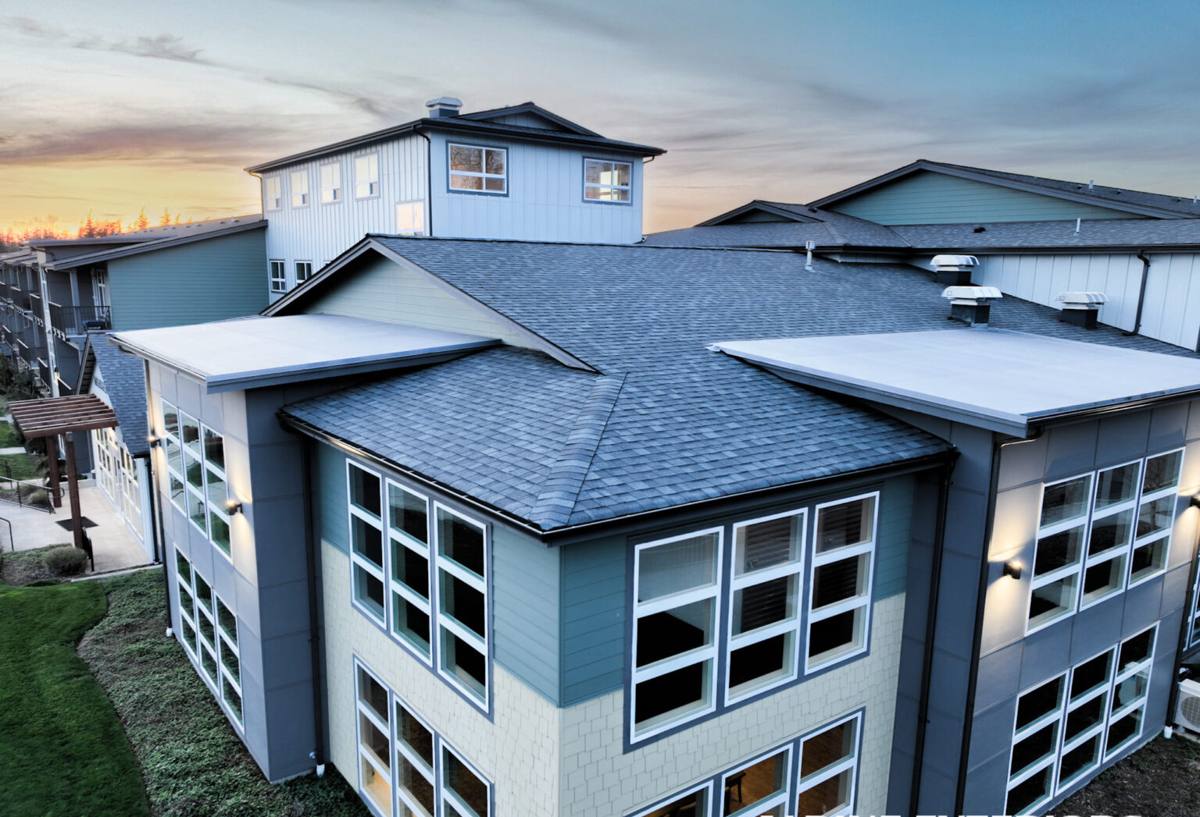
What Board & Batten Siding Actually Is
Board and batten is a vertical siding pattern: wide panels or boards installed vertically, with narrower strips (battens) covering the seams between them. It's a traditional look — associated with farmhouses, barns, and craftsman-style homes — that's seen a resurgence on modern homes because of the strong shadow lines and clean vertical texture it gives a facade.
Panel width, batten spacing, and reveal
The proportions matter more than most homeowners realize. Panel width, batten width, and the spacing between battens all affect how the siding reads from the street and how it performs. Wider panels mean fewer seams to manage but larger areas exposed to wind load; narrower panels mean more seams and more battens, each one a potential water-entry point if it isn't flashed and fastened correctly. We work through these proportions with you before anything gets ordered, since changing your mind after material is cut costs real money.
Why We Only Install Board & Batten in James Hardie Fiber Cement
We get asked why we won't do board and batten in cedar, engineered wood, or vinyl, since all three are available and often cheaper up front. Here's the honest version.
Cedar and engineered wood
Real cedar board and batten looks great when it's new, and it can keep looking great for years if it's kept on a strict paint and caulk schedule. In a climate with Custer's rain exposure and long damp season, that maintenance schedule isn't optional — it's the only thing standing between the wood and rot, especially at the battens, where end grain and seams take on water first. Engineered wood products close some of that gap but are still wood-based at their core, meaning they're still vulnerable to sustained moisture exposure the moment a seal or coating fails.
Vinyl
Vinyl board and batten is inexpensive and low-maintenance in the sense that it never needs painting, but it's a poor structural match for this specific pattern. Vertical vinyl panels rely on their locking channels to stay straight over time, and in a climate with real temperature swings and wind-driven rain, those same channels are where water most often finds its way behind the panel. Vinyl also doesn't hold a batten reveal the way fiber cement or real wood does — the depth and shadow lines that make board and batten look intentional are hard to reproduce in a thin extruded product, and it can show waviness in direct sun and temperature swings.
Why fiber cement works here
James Hardie fiber cement board and batten gives us a material that's dimensionally stable — it won't cup, crack, or swell the way wood can — non-combustible, and factory-finished with ColorPlus so the color coat isn't relying on a field-applied paint job to hold up against salt air and UV exposure. It holds a crisp batten reveal, and it's engineered for wet Pacific Northwest climates through Hardie's HZ5 product line, which is what we specify for homes in this area.
What a Correct Installation Involves in This Climate
Board and batten fails, when it fails, almost always at the details rather than in the field of the wall. Getting those details right is most of the job, and it's where installation quality separates a siding job that lasts decades from one that needs attention in five or six years.
Drainage plane and rainscreen gap
Behind every board and batten installation we do, there's a water-resistive barrier and a drainage gap that lets any moisture that does get past the siding find its way back out instead of sitting against the sheathing. This matters more on vertical siding than lap siding, because vertical seams and battens create more opportunities for bulk water to travel downward along the wall face rather than run off it.
Fastening pattern
Battens need to be fastened through to framing or blocking, not just into the panel below, and fastener spacing has to account for wind exposure. Custer's more open, working landscape means some lots take more direct wind than a sheltered in-town lot would, and fastening schedules get adjusted to match.
Flashing at corners, trim, and penetrations
Every window, door, hose bib, and light fixture that penetrates a board and batten wall is a place where flashing has to be layered correctly — over the barrier below, under the barrier above — so water is always directed outward and down. Corners and the base of the wall, where board and batten meets the foundation, get particular attention, since that's where wind-driven rain tends to collect and linger.
Sealant is a maintenance item, not a one-time fix
Even with fiber cement, the caulk joints at trim boards, window casings, and butt joints are the part of the system that ages fastest. We use sealants rated for the exposure, but we're upfront that this is the one component of a board and batten wall that benefits from a homeowner checking it periodically rather than assuming it lasts forever.
Comparing Board & Batten Materials for a Custer Home
| Material | Moisture & salt-air resistance | Maintenance | Typical lifespan |
|---|---|---|---|
| James Hardie fiber cement | Non-combustible, engineered HZ5 formulation for wet climates, factory ColorPlus finish | Occasional wash; no repainting for the life of the ColorPlus warranty | Multiple decades with correct installation |
| Cedar | Absorbs moisture at end grain and seams; salt air accelerates weathering of the finish | Repaint or restain every few years; ongoing caulk maintenance | Shorter without strict, consistent upkeep |
| Engineered wood (LP SmartSide and similar) | Better than raw wood but still wood-based and moisture-sensitive at cut edges | Repainting and edge sealing on a fixed maintenance schedule | Moderate, dependent on upkeep |
| Vinyl | Won't rot, but locking channels can trap moisture; can warp with temperature swings | Low, but panels can't be spot-repaired invisibly | Variable, depends heavily on installation quality |
Cost follows a similar pattern: vinyl is usually the cheapest material up front, cedar and engineered wood sit in the middle, and fiber cement carries a higher installed cost that reflects both the material and the labor of doing the flashing and drainage details correctly. The fair way to compare these isn't sticker price alone — it's installed cost divided by realistic years before you're repainting, replacing damaged boards, or dealing with moisture that got trapped behind the siding out of sight.
Our Process for Custer Homeowners
We start by walking the exterior with you, looking at existing moisture damage, trim condition, and how much of the wall gets direct weather exposure versus sheltered exposure under eaves or tree cover. From there we talk through panel width and batten spacing options, and put together a written estimate that separates material, tear-off, and installation labor so you can see exactly where the cost is going.
On the job, old siding comes off down to the sheathing so we can check for hidden rot before anything new goes up — this turns up more often than people expect on older Custer-area homes that have already gone through one or two siding cycles. We install the drainage plane, get flashing done at every penetration, then install the Hardie panels and battens to spec. We don't skip steps to hit a lower number on the estimate, because the details are what determine whether board and batten actually performs here rather than just looks good on installation day.
Living With Board & Batten Through a Long Moss Season
Even a correctly installed wall benefits from a little seasonal attention in a climate where moss and mildew have months to establish themselves, especially on north-facing walls and anywhere overhung by trees.
- Rinse siding annually with a garden hose and soft brush — avoid pressure washers, which can force water behind panels and battens
- Keep gutters clear so overflow doesn't run down the wall and keep it wet longer than the siding is designed to handle
- Trim back vegetation and tree cover that keeps a wall shaded and damp longer than the rest of the house
- Check caulking at trim, corners, and penetrations every year or two, even on fiber cement, since sealant ages faster than the siding itself
- Watch for moss establishing in the batten shadow lines and remove it early, before it holds moisture against the surface
Why a Crew That Already Works Custer Matters
Board and batten done wrong doesn't usually fail in year one — it fails in year five or eight, after enough wet seasons have found every shortcut in the original installation. A crew that already works this part of Whatcom County has seen what happens to siding here over time: which details hold up to salt air and driving rain, and which ones are the first to let go. That's a different kind of experience than general siding work picked up somewhere drier or more sheltered from coastal weather. We also know the practical side of working in this area — typical construction on homes here, what inspectors tend to check, and how to sequence a job around this region's weather windows — so the project moves without avoidable surprises.
If you're weighing board and batten for a home in Custer or elsewhere around Ferndale, we're happy to take a look and talk through what's realistic for your specific exposure and budget. Reach out for a free, no-pressure estimate — there's no obligation, and you'll walk away with a clear picture of what a correct board and batten installation actually involves for your house.