 Ferndale
 Window Replacement Built for Everson's Weather, Not a Showroom
Everson sits inland from Bellingham Bay but still gets the same weather pattern that defines Whatcom County: long stretches of driving rain off the Pacific, damp air that carries salt further inland than most homeowners expect, and a moss season that can run eight or nine months out of the year on shaded north and east walls. Windows take the brunt of this. They're the one part of the exterior with moving parts, seals, and a hole cut straight through your wall's weather barrier. When a window fails here, it usually isn't because the glass broke — it's because water found a way in around the frame and nobody caught it until the sill was soft.
We're based in Ferndale and work Everson regularly, so this isn't a page about window replacement in general. It's about what actually goes wrong with windows on homes in this specific corner of Whatcom County, and what it takes to replace them correctly the first time.
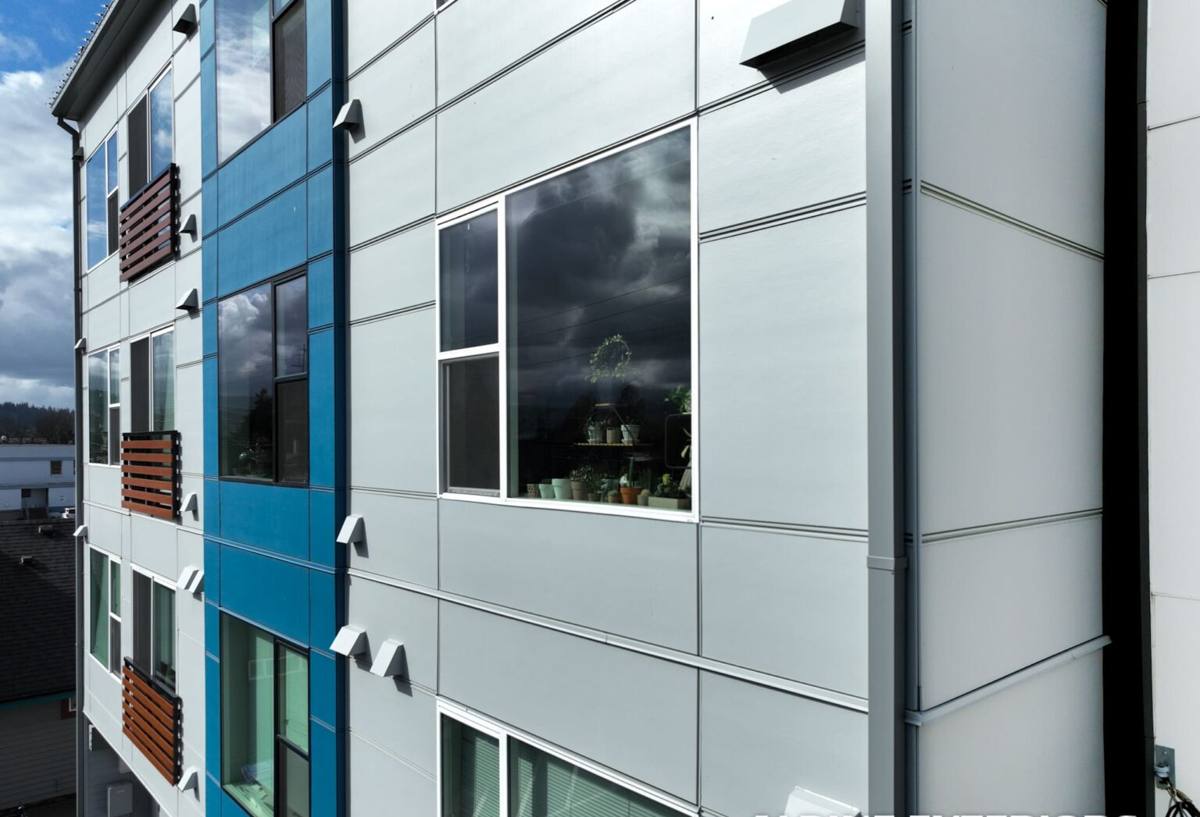
What This Climate Actually Does to a Window
Moisture and Rot at the Sill
The sill is the low point of any window opening, and it's where water collects if flashing was skipped or installed backward — which was common practice on a lot of older builds and remodels in this region. Once moisture gets behind the trim, wood sill and jamb material stays wet for days after every storm instead of drying out. Over a few winters, that turns into soft, spongy wood you can push a screwdriver into. By the time it's visible from inside, the framing behind it is usually already compromised.
Condensation and Failed Seals
Older aluminum-frame windows and early double-pane units weren't built for the humidity swings common to this area. Cold glass meets warm, moist indoor air and you get condensation running down the inside of the frame, which then works its way into the wall cavity. Failed seals on double-pane glass show up as fog or a cloudy ring between the panes — a sign the argon fill or seal has broken down and the insulating value of that window is gone, even though the glass still looks intact.
Moss, Algae, and Trim Damage
Everson's tree cover and the long damp season mean moss and algae get a foothold on shaded trim, sills, and even the corners of vinyl frames. It's mostly cosmetic at first, but moss holds moisture against wood trim and caulking, which accelerates exactly the rot and seal breakdown described above. A window that looks fine in July can be hiding six months of moss-trapped moisture by the following spring.
Signs an Everson Home Needs Window Replacement
Not every problem window needs full replacement — sometimes it's a caulking or flashing repair. But these are the signs that point to replacement rather than a patch:
- Soft or spongy wood at the sill, jamb, or the siding directly below the window
- Visible fog, cloudiness, or moisture between panes of double-glazed glass
- Windows that won't stay open, won't latch tight, or have warped out of square
- Persistent drafts you can feel with a hand near the frame on a windy day
- Paint or finish that's peeling or bubbling specifically around the window opening, not the wall in general
- Noticeably higher heating costs in a room with older single- or early double-pane windows
- Moss or dark staining building up on sills and trim year over year despite cleaning
What a Correct Window Replacement Job Actually Involves
Removing the Old Window Without Damaging What's Around It
The old unit comes out carefully, and we check the framing underneath before anything new goes in. If there's rot in the sill or jack studs, that gets addressed now — not covered up. Installing a new window over compromised framing just guarantees the same failure a few years down the road.
Flashing Is the Part That Actually Keeps Water Out
The window unit itself is almost never the reason water gets into a wall — the flashing detail is. Proper flashing means a sloped sill pan so any water that gets past the glass drains back outside instead of pooling, plus side and head flashing that laps correctly with the house wrap or building paper, shingle-style, so gravity and water always move outward and down. Get this sequence backward and you're funneling water into the wall on purpose.
Insulation and Air Sealing Around the Frame
The gap between the new window frame and the rough opening needs to be filled with a low-expansion window foam or backer rod and sealant — not stuffed with fiberglass insulation, which does little to stop air movement and nothing to stop bulk water. This step is also where a lot of the draft and energy-loss complaints get solved, since an unsealed gap around the frame leaks air even when the window itself is closed and locked.
Tying Back Into Your Siding
The trim and siding around the new window have to be reinstalled so water sheds over every seam, not into it. Where the existing siding is aging or already showing moisture damage near the old window, we'll tell you honestly rather than caulk over a bigger problem.
Choosing a Window for This Climate
Frame material matters more here than in drier parts of the country, because whatever you choose is going to sit through several months of sustained damp every year for decades. Here's how the common options compare for Whatcom County conditions:
| Frame Material | Moisture Resistance | Maintenance | Typical Lifespan | Notes for This Area |
|---|---|---|---|---|
| Vinyl | Very good — won't rot, doesn't corrode | Low; occasional cleaning | 20–30 years | Our default recommendation for most Everson homes; performs well in salt air and doesn't need repainting |
| Fiberglass | Excellent — very stable, resists warping | Low | 30–40+ years | Higher upfront cost; worth it on homes taking direct weather exposure |
| Aluminum-clad wood | Good exterior protection, but interior wood still needs care | Moderate; interior finish needs periodic attention | 20–30 years | Attractive option for traditional-style homes, but the wood core is a maintenance commitment in a wet climate |
| Bare aluminum | Poor — conducts cold, prone to condensation | Low, but performance issues persist | 15–25 years | What we're usually replacing; not something we install new given the condensation problems described above |
We don't push one brand as a blanket answer for every house. The right call depends on your home's exposure, your budget, and whether you're matching an existing look or replacing everything at once. What we won't do is recommend a frame material that we know struggles with this specific climate just because it's cheaper upfront — we'd rather explain the trade-off honestly and let you decide.
Our Process for an Everson Window Replacement
1. On-Site Assessment
We look at each window opening individually — not just the glass, but the sill, trim, and siding condition around it. Rot hiding behind trim doesn't show up in a phone photo, so this is a hands-on look.
2. Accurate Measurement and Product Selection
New windows are measured to the actual opening, not a catalog size, and we go over frame material and glass options based on which direction the wall faces and how much weather it takes.
3. Install Day
Old units come out, any framing repair happens right then, new windows go in plumb and square, and flashing is installed in the correct sequence before trim goes back on.
4. Final Check
We test operation, check the seal around the frame, and walk the job with you before we consider it done.
Why It Matters That We Already Work in Everson
A crew that only sees a neighborhood once doesn't build a feel for how its houses age. Working Ferndale and Everson regularly means we've seen how many winters it typically takes for a given window style or trim detail to start failing on homes with similar exposure, and we know which flashing shortcuts show up most often on older construction in this area. That's not a marketing point — it's the difference between a crew guessing at a job and one that's replaced enough windows on similar homes nearby to know exactly what to check for before problems get expensive.
Local also means straightforward logistics: we're not driving in from out of the county, scheduling is easier to coordinate, and if a question comes up after the install, we're not far away.
Windows and Siding Go Together
Because window failures so often start as siding or trim failures — or cause them — we look at the two together rather than treating your windows as an isolated project. If the siding around a window opening is already compromised, replacing the glass alone just delays the real fix. We'll tell you plainly if that's the situation rather than replacing windows in isolation and leaving the underlying problem for later.
Get a Straight Answer on Your Windows
If you're dealing with drafts, foggy glass, soft trim, or windows that just don't work like they used to, we're happy to take a look and give you an honest read on what's actually needed — repair, partial replacement, or a full window job — with no pressure either way. Use the form below to request a free estimate for your Everson home.