 Ferndale
 Why Fairhaven's Weather Is Tougher on Siding Than It Looks
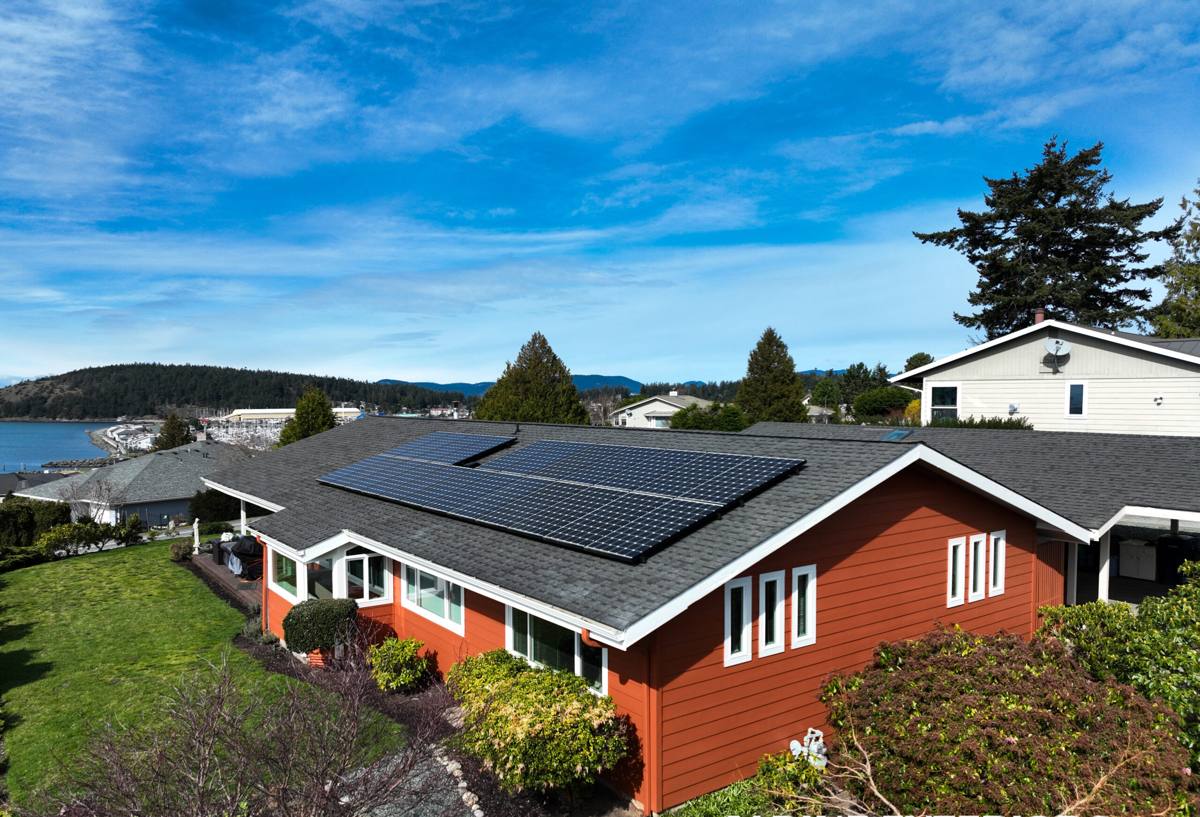
Homes in the Fairhaven area, close to Ferndale and the Whatcom County shoreline, deal with a combination of conditions that most inland siding never has to survive. Salt-laden air moves off the water and settles on exterior walls, where it accelerates corrosion on fasteners, trim, and anything with exposed metal. Add driving rain that comes in sideways during winter storms, and you've got moisture finding its way into every gap, seam, and nail hole that isn't properly sealed. Then there's the moss — mild temperatures, heavy tree cover, and a long wet season mean moss and algae get a real foothold on north-facing walls and anywhere shade keeps siding damp for days at a time.
None of this is unusual for western Whatcom County. But it does mean that siding choices which work fine in a drier, more sheltered part of the state can fail early here, and that installation quality matters just as much as the material itself. A product that's technically rated for coastal exposure can still let water in if it's flashed wrong or fastened too tight. That's the real story behind most premature siding failures we see in this area — it's rarely the material, it's the install.
What Fiber Cement Actually Solves for a Property Like This
Fiber cement siding is a mix of cement, sand, and cellulose fiber, pressed and cured into boards and panels. For a home dealing with salt air and constant moisture exposure, that composition matters in a few specific ways:
- It doesn't rot. Unlike wood or wood-based composites, fiber cement has no organic food source for the rot fungi that thrive in damp, shaded coastal conditions.
- It holds a factory finish instead of relying on field-applied paint, which matters when salt air and UV exposure break down coatings faster than they would inland.
- It doesn't swell and shrink with moisture the way wood does, so joints and caulk lines stay tighter over time instead of opening up and letting water behind the siding.
- It's non-combustible, which is a separate benefit from moisture performance but a real one for long-term home protection.
None of that makes fiber cement immune to the effects of a marine climate. Moss will still grow on it if a wall stays wet and shaded long enough, and it still needs the same careful water management as any other siding. What it does is give you a material that won't rot or delaminate while you deal with those surface issues — which is a very different problem than a wall that's failing structurally underneath.
Correct Installation Matters More Here Than the Brand on the Box
Weather-Resistive Barrier and Flashing
Every fiber cement job starts with what's behind the siding, not the siding itself. A continuous weather-resistive barrier, properly lapped shingle-style so water sheds downward and outward, is the actual first line of defense against driving rain. Flashing at windows, doors, and every horizontal trim transition has to be detailed so water is directed out and away from the wall assembly, not just tucked behind a piece of trim and hoped for the best. In a driving-rain climate like this one, a flashing shortcut that would go unnoticed for years somewhere drier can show up as a stain or soft spot within a single wet season here.
Fastening and Clearances
Fiber cement has to be fastened according to the manufacturer's specifications — correct nail type, correct penetration depth, and enough clearance at the bottom for water to drain rather than wick upward into the board. Panels installed too tight against foundations, decks, or roof lines trap moisture against the material and create the exact damp, shaded conditions that moss loves. Fastener corrosion is also a real consideration in salt air; using fasteners rated for the exposure prevents rust streaking and loosening over time.
Caulk Is a Backup, Not a Strategy
A properly detailed installation uses flashing and drainage gaps to manage water, with caulk sealing the small remaining gaps — not the other way around. Jobs that lean on caulk to do the flashing's job tend to fail first at those same joints once the caulk ages, cracks, or pulls away, which happens faster in a climate with this much rain and temperature swing.
How Fiber Cement Compares to the Alternatives in This Climate
Homeowners in Fairhaven often ask how fiber cement stacks up against vinyl or engineered wood siding for a property this exposed. Here's an honest side-by-side based on how each material actually behaves in a wet, salt-exposed, moss-prone environment:
| Factor | Fiber Cement (James Hardie) | Vinyl Siding | Engineered Wood (LP SmartSide) |
|---|---|---|---|
| Moisture/rot resistance | Cement-based, no organic rot risk | Won't rot, but seams can let water track behind panels | Wood-based; resin-treated but still organic and moisture-sensitive at cut edges |
| Finish durability in salt air | Factory ColorPlus finish holds up well; warranted against fading/peeling | Color is molded in but can chalk and fade with UV/salt exposure | Relies on field-applied paint that needs earlier repainting |
| Fire performance | Non-combustible | Combustible plastic material | Combustible, treated wood product |
| Impact/moss resistance | Dense material resists impact; surface can still host moss if kept wet | Can crack in cold; moss grows on any dirty, damp surface | Vulnerable at damaged or unsealed edges |
| Installation sensitivity | Moderate — correct fastening/flashing is critical | Lower — but poor detailing still causes leaks | High — edge sealing is critical to prevent swelling |
This is why our company standardized on James Hardie fiber cement and doesn't install vinyl, LP SmartSide, or other composite products. It's not that those materials have no place anywhere — it's that for the specific combination of salt air, wind-driven rain, and long wet seasons this area deals with, fiber cement gives homeowners the best combination of moisture resilience, finish durability, and non-combustible construction, backed by a manufacturer warranty built for exactly this kind of exposure.
Our Process for a Fairhaven Fiber Cement Job
Every project follows the same sequence, because skipping steps is how coastal climates find the weak point in a wall assembly:
- Assessment. We look at existing siding, trim, and sheathing condition, note any areas with prior moisture damage or moss buildup, and identify problem details like poor flashing or tight clearances that need correcting, not just covering over.
- Tear-off and sheathing check. Old siding comes off so we can actually see the wall behind it. Any soft or water-damaged sheathing gets repaired before anything new goes up — new siding over a compromised wall just hides the problem.
- Weather barrier and flashing. A new weather-resistive barrier goes on with correct lapping, and flashing is installed or corrected at every window, door, and horizontal trim line.
- Fiber cement installation. Boards or panels go up to Hardie's fastening and clearance specifications, with attention to drainage gaps at the bottom and proper fastener selection for the salt-air environment.
- Trim, caulking, and final detail. Trim and joints are sealed as a backup to the flashing work already in place, not as a substitute for it.
Because Fairhaven's conditions are consistent — same salt exposure, same rain patterns, same moss pressure across the area — a crew that already works this pocket of Whatcom County isn't guessing at what the wall needs. They've already seen where the previous installation failed on the last house down the street.
Living With a Long Moss Season
No siding material stops moss from landing on a wall — moss grows on whatever surface stays damp and shaded long enough, and this area gives it plenty of time to do that. What correct fiber cement installation does is prevent moss and moisture from turning into a structural problem underneath the surface. Homeowners can keep their siding looking clean and extend its life with a few simple habits:
- Trim back tree limbs and shrubs that keep walls shaded and damp longer than necessary.
- Rinse north- and shade-facing walls periodically with a garden hose rather than letting moss build up over multiple seasons.
- Avoid pressure-washing directly into seams and joints, which can force water behind properly installed flashing.
- Check gutters and downspouts before the wet season — overflow running down a wall is one of the fastest ways to create a moss strip and a moisture problem in the same spot.
- Have caulking and trim joints inspected every few years, since that's the maintenance item most likely to need attention over the life of the siding.
What Actually Drives Cost on a Project Like This
Every Fairhaven property is a little different, and the honest answer is that cost depends on several factors rather than a flat per-square-foot number. The condition of the existing wall assembly matters most — a home with hidden moisture or rot damage behind the current siding will need sheathing repair before new siding goes up, which adds cost but isn't optional if the wall is going to perform correctly. Trim complexity, the number of windows and doors, wall height, and how much of the flashing and weather barrier needs to be replaced versus reused all factor in as well. Homes closer to direct wind and salt exposure sometimes warrant additional attention to fastener selection and flashing detail, which is a labor and material consideration rather than a flat upcharge. The most reliable way to know what a specific home needs is a walk-through and an honest look at what's happening behind the current siding.
Why Hiring a Crew That Already Works Fairhaven Matters
A siding contractor who mostly works drier, more sheltered parts of the state can still do competent work, but they're applying general best practices to a climate they don't deal with every day. A crew that regularly works in and around Fairhaven and Ferndale has already made the adjustments this environment demands — the flashing details that matter more here, the fastener choices that hold up in salt air, the clearances that keep moss from getting a foothold. That local repetition is what turns a fiber cement installation from "installed to code" into "installed to actually last" in this specific climate.
If you're weighing your siding options for a home in the Fairhaven area, we're happy to take a look and give you a straightforward, no-pressure estimate — including an honest assessment of what your current wall assembly needs before any new siding goes up.