 Ferndale
 Why Lummi Island Homes Ask for Windows Built Differently
Lummi Island sits close enough to the water that every window on the exterior wall is doing double duty: keeping weather out and standing up to conditions that inland Whatcom County homes simply don't deal with in the same combination. Salt-laden air off the water, wind-driven rain that hits window assemblies sideways instead of straight down, and a moss and mildew season that can stretch for months all put steady pressure on frames, seals, and hardware. A window that's rated fine for a typical Pacific Northwest home isn't automatically the right call for a home exposed to that mix. Custom windows here means matching frame material, glazing, and installation detail to the specific exposure of the house — not just picking a size off a spec sheet.
We work throughout Ferndale and the surrounding Whatcom County coastline, and Lummi Island properties are a regular part of that work. The island's homes range from older cottages with original single-pane sash to newer builds already fitted with vinyl replacement units that are struggling earlier than they should. Both benefit from the same core principle: build the window and the installation around the actual weather the wall sees, not the average weather for the region.
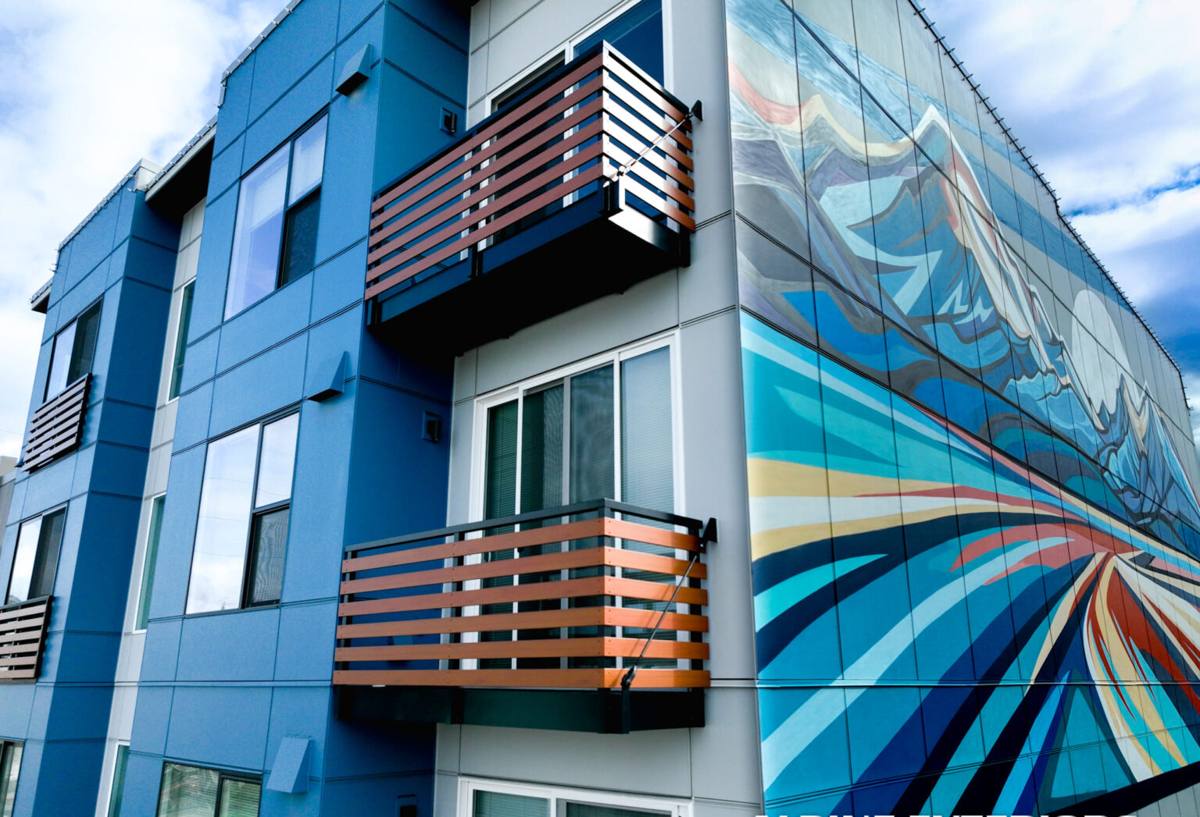
What Salt Air, Driving Rain, and Moss Season Actually Do to a Window
These three factors don't act alone — they compound each other, and understanding how helps explain why some windows fail faster near the water than a few miles inland.
Salt Air and Corrosion
Airborne salt settles on exterior surfaces and accelerates corrosion on anything metal — hinges, balance mechanisms, screen frames, and especially lower-grade fasteners or cladding. It also breaks down some finishes faster, leading to chalking or pitting on frames that would otherwise last decades. Aluminum-clad and certain composite frames handle this better than bare aluminum or unprotected steel components.
Driving Rain and Water Intrusion
Wind off the water doesn't just add rain volume — it drives water sideways and upward, testing flashing details and sill pans that would never see that kind of pressure on a sheltered inland wall. A window that's watertight in a still rainstorm can still leak under wind-driven conditions if the flashing, sealant joints, and sill pan weren't detailed for that load. This is as much an installation issue as a product issue.
Moss, Mildew, and Prolonged Dampness
Whatcom County's long wet season keeps exterior surfaces damp for extended stretches, and shaded or north-facing walls on wooded island lots dry out even slower. Wood components that stay damp are vulnerable to rot at joints and sills. Moss and algae growth on sills and trim isn't just cosmetic — trapped organic matter holds moisture against the frame and can shorten its life if it's never cleaned off.
What "Custom" Means for a Window on This Kind of Site
Custom doesn't have to mean unusual shapes or high-end finishes, though we do plenty of that too. For most Lummi Island homes, custom means the window is specified and installed to match the specific exposure of that wall — which side of the house it's on, how much weather it takes directly, and what's already failing on the existing openings.
Frame Material Matters More Here Than Inland
Vinyl remains a solid, cost-effective choice for most walls, but on the most exposed, water-facing sides of a coastal home we often steer toward fiberglass or well-detailed aluminum-clad wood, which resist warping and hold their seals better under repeated wetting and drying cycles. We'll walk you through the trade-offs for your specific walls rather than defaulting to one material for the whole house.
Glazing and Weatherstripping
Dual-pane, low-E glazing is standard for energy performance, but the seal quality and the weatherstripping system matter just as much for a coastal install — a compromised seal lets in both drafts and the kind of driving rain this area sees. We also pay attention to hardware finish, since standard hardware can corrode faster in salt air than marine-grade or coated equivalents.
Flashing and Sill Pan Detail
This is the part homeowners never see but that determines whether a window leaks in year three. A proper sill pan, correctly lapped flashing, and sealant joints rated for the exposure are non-negotiable on wind-driven-rain walls. We don't cut corners here even when it adds time to the install, because it's the single biggest factor in whether a window stays dry long-term.
Signs Your Current Windows Are Losing the Fight
Homeowners on the island often notice these signs well before a window fails outright:
- Fogging or moisture between panes — the seal has failed and the insulating gas is gone
- Soft or discolored wood at the sill or corners of the frame
- Visible corrosion or pitting on hinges, locks, or screen frames
- Persistent moss or black staining on sills that comes back quickly after cleaning
- Drafts or whistling during wind events, especially on the water-facing side
- Difficulty opening, closing, or locking — often a sign the frame has swelled or shifted
- Noticeably higher heating bills compared to similar-sized rooms on sheltered walls
Any one of these on its own might just mean a tune-up or resealing job. Several at once, especially on the same wall, usually means it's time to talk about replacement before water damage spreads into the framing behind the window.
How We Approach a Custom Window Job on Lummi Island
Every project starts with looking at the house as a whole, not just the window opening in isolation.
- On-site assessment. We look at each elevation separately — the water-facing and prevailing-wind sides get evaluated differently than sheltered walls, since they're carrying more of the weather load.
- Diagnose what's actually failing. Fogged glass, a failed seal, and rotted framing behind the window all call for different fixes. We check the condition of the wall assembly, not just the window unit.
- Material and glazing recommendation. Based on exposure, we recommend frame material and glazing per wall, not a one-size answer for the whole house — this is where the "custom" part earns its name.
- Removal and inspection of the opening. Once the old window is out, we check the sheathing and framing underneath for hidden moisture damage before anything new goes in.
- Proper flashing and sill pan installation. This step is what actually keeps driving rain out, and it's where we spend the extra time that lower-bid installs sometimes skip.
- Setting, shimming, and sealing the new unit. Correct shimming keeps the window square and operating smoothly for years; correct sealant selection and joint prep keeps water out.
- Final check and walkthrough. We test operation, check for square and level, and walk the homeowner through what to expect and how to maintain the new windows.
Frame Material Comparison for Coastal, Wet-Climate Homes
| Material | Salt Air Resistance | Moisture/Rot Resistance | Maintenance |
|---|---|---|---|
| Vinyl | Good — doesn't corrode | Good; no rot risk | Low; occasional cleaning |
| Fiberglass | Very good; stable in temperature swings | Very good; won't warp or rot | Low; durable finish |
| Aluminum-clad wood | Good on clad surfaces if detailed well | Depends on interior wood protection | Moderate; watch interior wood joints |
| Bare wood | Poor unless finish is maintained closely | Requires diligent upkeep near water | High; regular refinishing needed |
We're honest that bare wood windows, while attractive, ask a lot of a homeowner on an exposed coastal lot — the maintenance schedule needed to keep them watertight is demanding, and falling behind on it is how rot gets started. That's a maintenance-burden trade-off worth knowing before you choose, not a reason to rule wood out if you're prepared to stay on top of it.
What Drives Cost on a Job Like This
| Factor | Why It Matters |
|---|---|
| Number and size of openings | More and larger windows mean more material and labor |
| Frame material chosen | Fiberglass and clad-wood cost more upfront than vinyl but often last longer in this climate |
| Wall exposure | Water-facing walls may need upgraded flashing detail, adding labor time |
| Hidden damage found during removal | Rotted sheathing or framing behind an old window adds repair scope |
| Access and site conditions | Second-story or hard-to-reach openings on sloped island lots take longer |
We won't quote a firm number without seeing the openings, but we'll always tell you honestly if we think a lower-cost option is a false economy on a particular wall — for example, standard vinyl on the most exposed side of a water-facing home when a modest upgrade would meaningfully extend its life.
Why a Crew That Already Works Lummi Island Is Worth Choosing
A contractor who mostly works dry, sheltered, inland jobs can still install a window correctly in calm conditions — but coastal work rewards experience with the specific failure patterns this exposure creates. We've seen how salt air ages hardware, how driving rain finds the weak point in a flashing detail, and how moss and prolonged dampness show up around sills months or years after a job is finished if it wasn't done right the first time. That's the kind of judgment that only comes from doing this work in this exact environment repeatedly, not from a general install checklist.
Being based in Ferndale also means we're not scheduling a special trip out to the island — we're already working this part of Whatcom County regularly, which keeps logistics simple and means we're available if something needs a follow-up look after the first heavy storm of the season.
Maintaining Custom Windows in This Environment
Even a well-installed window benefits from some seasonal attention on a site like this:
- Rinse salt residue off exterior frames and glass periodically, especially after storms
- Clean moss and organic debris off sills and tracks before it holds moisture against the frame
- Check weatherstripping annually for gaps or compression loss
- Lubricate hardware with a corrosion-resistant product suited for coastal conditions
- Inspect exterior caulking and sealant joints each fall before the wet season sets in
- Watch for any soft spots developing at sills or corners and address them early
None of this is heavy work, but skipping it is how a good window install starts showing problems years earlier than it should.
Let's Look at Your Windows
If you're dealing with fogged glass, drafts, sticking sashes, or just want an honest read on whether your current windows are holding up to this coastline, we're happy to take a look. Fill out the form below for a free, no-pressure estimate — we'll assess your specific walls and give you straight answers about what your home actually needs.