 Ferndale
 Lummi Island Homes Face a Tougher Climate Than Most of Whatcom County
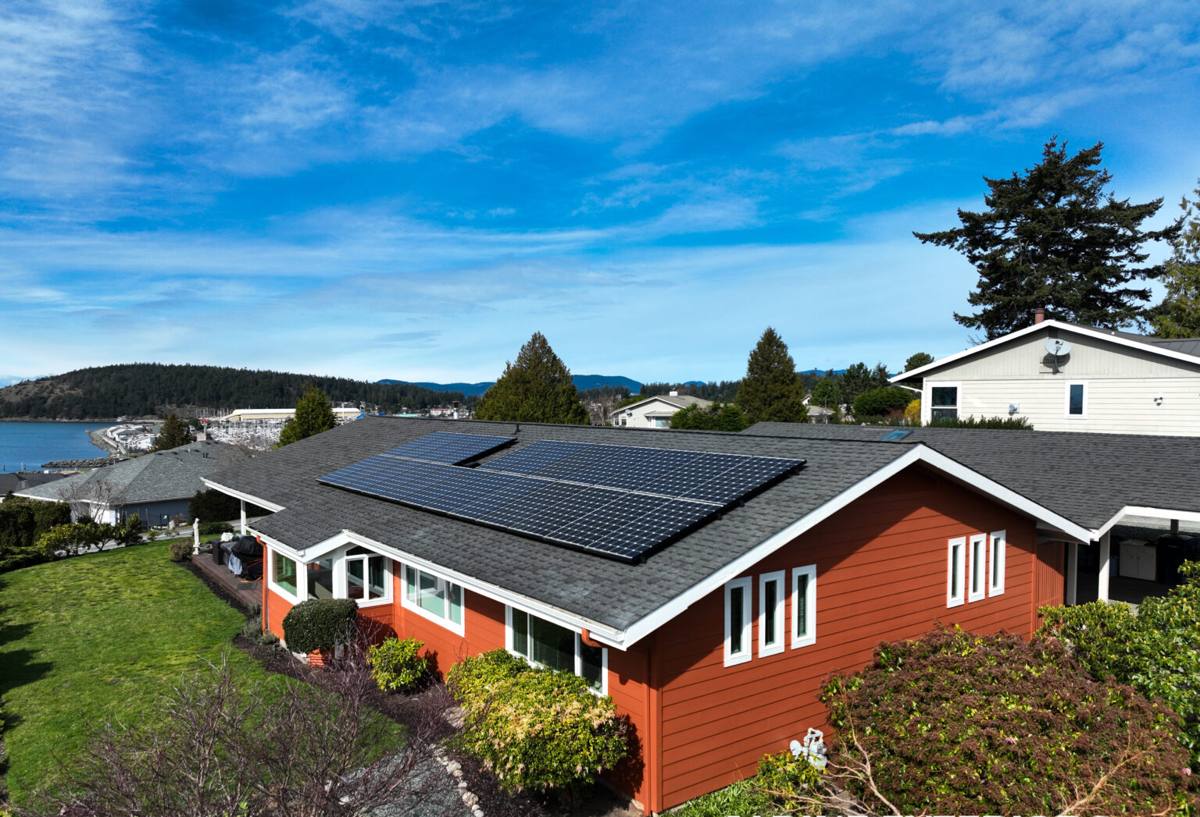
Lummi Island sits out in the Salish Sea, and that location changes what siding has to deal with compared to a house a few miles inland in Ferndale or Bellingham. Homes here catch salt-laden air coming off the water, take driving rain straight off open exposure with little windbreak, and sit under the same long gray, damp stretch that turns north-facing walls and shaded siding green with moss every year. It's not a dramatically different climate on paper, but it is a more concentrated version of everything that already wears down siding in Whatcom County.
Salt air is the piece people underestimate most. It doesn't just sit on the surface — over years it works into caulking joints, fastener heads, and any seam where two materials meet, encouraging corrosion and breaking down finishes faster than the same product would wear a few miles inland. Combine that with wind-driven rain hitting exposed walls at an angle, and siding on Lummi Island needs a moisture-management system underneath it that's installed correctly the first time, not just a product that "looks" weatherproof from the street.
Why a Local Crew Matters More on an Island Job
Any contractor can quote a siding job. Fewer have actually worked through the logistics of getting crews, materials, tear-off debris, and equipment on and off Lummi Island in a way that doesn't blow up the schedule. As a Ferndale-based crew, we're close enough to the ferry landing that we can plan around sailing times instead of discovering them mid-project.
What Ferry-Dependent Scheduling Actually Means for Your Project
- Material deliveries get staged and timed so a full crew isn't standing around waiting on a sailing
- Dumpster and debris hauling is planned in advance — this is where island projects most often stall for out-of-town contractors
- Weather windows matter more when a crew can't just "come back tomorrow" without factoring in the crossing
- Smaller equipment and material loads are pre-planned to fit ferry capacity rather than causing delays on-site
None of this is exotic — it's just detail work that a crew already familiar with the island handles as routine, instead of relearning on your project's timeline and your dime.
What a Correct Siding Replacement Involves
Siding replacement is not just removing old boards and nailing up new ones. On an exposed, moisture-heavy site like Lummi Island, the parts you don't see after the job is done are what determine whether it holds up.
The Steps That Actually Protect the Wall
- Full tear-off and inspection — old siding comes off so the sheathing underneath can be checked for rot, soft spots, or prior water intrusion, especially at corners and below windows where wind-driven rain concentrates
- Repair before cover-up — any damaged sheathing or framing gets replaced rather than sided over, since hiding a problem behind new siding just guarantees it resurfaces later
- Weather-resistive barrier — a correctly lapped and sealed moisture barrier goes on before any siding, giving the wall a drainage path if water ever gets behind the cladding
- Flashing at every penetration — windows, doors, hose bibs, vents, and any other wall penetration get proper flashing, since these are the points salt air and driving rain find first
- Correct fastening pattern — fiber cement has manufacturer-specified nailing patterns and clearances; skipping these is the single most common cause of premature siding failure
- Factory-finished siding installation — pre-finished boards and trim go up with proper gapping and caulking at joints, not field-painted after the fact
Skip any one of these steps and the siding might look fine for a year or two — but on a site with this much salt exposure and rainfall, shortcuts show up early, not late.
Why We Install Only James Hardie Fiber Cement
We standardized on James Hardie fiber cement siding for every home we work on, including Lummi Island, and we don't install vinyl, LP SmartSide, cedar, primed spruce, or other fiber cement brands. That's a deliberate professional decision, not a sales preference, and it comes down to how each material actually performs under sustained moisture and salt exposure.
Fiber Cement Fits This Climate
James Hardie's HZ product lines are engineered specifically for climate zones like ours — wet, moderate, and prone to long moss seasons. The material itself is non-combustible cement and cellulose fiber, so it doesn't rot, delaminate, or feed moss and mildew growth the way wood-based products can when they stay damp for weeks at a time. ColorPlus factory-applied finish is baked on under controlled conditions rather than painted on-site, which means better adhesion and a more even, durable finish against salt air and UV exposure than field-applied paint typically achieves.
What We're Trading Off Against Other Options
Vinyl siding is lightweight and inexpensive, but it can warp or become brittle over time, and its seams and J-channels give salt-laden moisture more opportunities to work behind the panel. Wood products like cedar or primed spruce look great initially but demand ongoing maintenance — refinishing, caulking, and moisture checks — that's a harder commitment to keep up on a property you may not visit daily. LP SmartSide is a wood-strand product with a factory treatment, but it's still an engineered wood product, and wood-based cores are inherently more sensitive to sustained moisture exposure than cement-based ones. None of these are "bad" products in the right application — they're just not what we consider the right fit for a salt-air, high-rainfall site, which is why we don't install them.
| Factor | James Hardie Fiber Cement | Vinyl | Wood / LP SmartSide |
|---|---|---|---|
| Moisture resistance | Engineered for wet climates (HZ lines) | Water-resistant surface, seam vulnerability | Moisture-sensitive core |
| Salt air durability | Non-combustible, stable finish | Can become brittle over time | Requires diligent maintenance |
| Finish | Factory-baked ColorPlus finish | Color molded through, can fade | Needs periodic refinishing |
| Moss/mildew resistance | Cement-based, doesn't feed growth | Resists growth on surface | Wood-based cores more susceptible |
| Typical maintenance | Periodic rinse, caulk checks | Low, but limited repair options | Ongoing refinishing/sealing |
Our Process for Lummi Island Siding Replacement
The technical process is the same craftsmanship we bring to every job, but the planning around it is shaped by the island setting.
1. On-Site Assessment
We walk the exterior, check for existing moisture damage, note exposure direction relative to prevailing wind and rain, and identify any areas — corners, north walls, low clearance spots — where moss and salt buildup are already visible.
2. Scope and Estimate
We put together a clear, written scope covering tear-off, repairs, materials, and timeline, with the ferry-dependent schedule built in from the start rather than treated as a surprise later.
3. Material Staging
Siding, trim, fasteners, and barrier materials are ordered and staged ahead of the crossing so the crew isn't making return trips for missing pieces mid-project.
4. Installation
Tear-off, sheathing repair, barrier installation, flashing, and Hardie installation proceed following manufacturer specifications for fastening and clearance, adjusted for the wall's specific exposure.
5. Cleanup and Walkthrough
Debris is hauled off-island on a planned schedule, and we walk the finished job with the homeowner before calling it done.
Choosing a Contractor for an Island Job: What to Check
- Do they have a real plan for ferry-dependent scheduling, or are they guessing?
- Will they show you how they handle debris removal and disposal logistics off the island?
- Do they specify a full moisture-barrier and flashing plan, not just "new siding on top"?
- Are they installing a product engineered for this climate, with a manufacturer warranty that's actually transferable?
- Can they explain, in plain terms, why they recommend the material they're proposing — not just quote a price?
Living With Fiber Cement Siding on Lummi Island After Installation
Correctly installed Hardie siding is low-maintenance, but "low" doesn't mean "none," especially in a salt-air, high-moisture environment. A periodic rinse-down helps clear salt film and organic buildup before it has a chance to feed moss growth, particularly on shaded or north-facing walls. It's also worth a visual check of caulking at trim joints and penetrations every year or two — caulk is the one component that wears faster than the siding itself, and catching a failed joint early prevents the kind of hidden moisture intrusion that causes real damage later. None of this is intensive work, but staying on top of it is what lets the material perform for the decades it's designed for.
If you're weighing a siding replacement on Lummi Island, we're happy to walk the property, look at your specific exposure, and put together a straightforward estimate — no pressure, no obligation. Use the form below to get started.