 Ferndale
 Siding Built for Lynden's Climate, Not Just Its Curb Appeal
Lynden sits in one of the wetter corners of Washington state, and homes here take on a specific kind of punishment year-round. Long stretches of driving rain move through Whatcom County from fall through spring, humidity lingers close to the ground for weeks at a time, and anything shaded or north-facing spends a good part of the year damp enough to grow moss and algae. Add in the marine-influenced air that rolls in off the Salish Sea and up through the valley, and you've got a climate that is genuinely hard on exterior building materials — especially wood-based siding products that were never engineered for this kind of sustained moisture exposure.
When we talk about siding installation for Lynden, we're not just talking about swapping old boards for new ones. We're talking about matching the material, the water management details, and the installation sequence to what this specific climate actually does to a house over 10, 20, and 30 years.
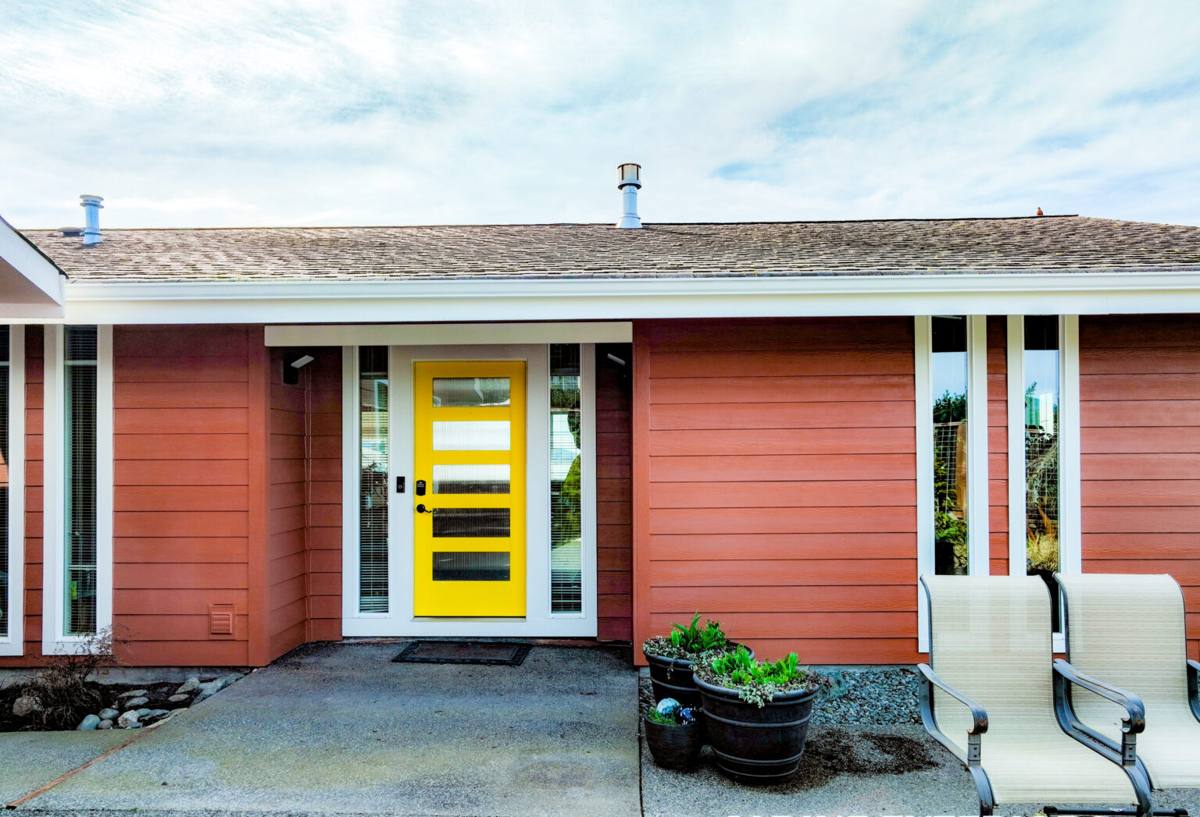
What Lynden Homes Need From Their Siding
Every siding job in this area has to answer to the same set of climate demands, whether the house is a newer build on the edge of town or an older farmhouse-style home closer to the valley floor.
Moisture Management First
Rain here doesn't fall in short bursts and clear out — it settles in. That means siding needs a drainage plane behind it, correctly lapped flashing at every window and door, and a water-resistive barrier that's actually sealed at the seams, not just stapled up and covered. Siding that looks fine from the driveway can still be trapping moisture against the sheathing if these details were rushed.
Resistance to Moss, Algae, and Mildew
The long moss season in this part of Whatcom County isn't just a roof problem. Shaded siding, especially on the north and east elevations, will grow algae and moss streaking if the surface holds moisture and the finish isn't built to resist it. This is one of the biggest visible differences between a factory-cured finish and a job-site paint job — the factory finish holds up; the field-applied one chalks, fades, and grows moss unevenly within a few seasons.
Dimensional Stability
Wood-based and wood-composite siding products swell and contract as they take on and release moisture through our wet winters and drier summers. Over time that movement opens up seams, telegraphs through paint, and stresses fasteners. Fiber cement doesn't move the same way, which matters a lot in a climate that never really lets siding dry out for long.
Why We Install Only James Hardie Fiber Cement
We standardized on James Hardie siding for every home we work on, including Lynden, because it's the product that actually holds up to this climate without turning into a maintenance project. Hardie fiber cement is non-combustible, doesn't support rot the way wood-based products can, and comes in HZ5 formulations engineered for the freeze-thaw and moisture cycling that our part of the Pacific Northwest deals with. The ColorPlus factory finish is baked on under controlled conditions, which gives it far better resistance to fading, chalking, and moss staining than anything applied on site — a real advantage during a moss season that stretches for months.
We're upfront that this isn't the cheapest siding option on the market, and it's not the only siding product that will keep water out of a wall. But for a house that has to sit through decades of Whatcom County rain, we've made installing only Hardie our professional standard because it's the product we're willing to warranty our workmanship against.
What a Correct Siding Installation Actually Involves
A siding job is only as good as what's underneath it. Here's the sequence we follow on every Lynden installation:
- Tear-off and substrate inspection. Old siding comes off and we check the sheathing for soft spots, rot, or prior water damage before anything new goes up. This is where hidden problems from years of moisture exposure usually show up.
- Repair before cover-up. Any damaged sheathing or framing gets repaired — we don't install new siding over a compromised wall.
- Water-resistive barrier. A new weather barrier goes on with properly lapped and taped seams, shingled to shed water downward at every horizontal joint.
- Flashing at every penetration. Windows, doors, hose bibs, vents, and any other wall penetration get individually flashed so water is directed out and away from the wall assembly, not just relying on caulk.
- Rainscreen or drainage gap where called for. Depending on the wall assembly and exposure, we build in a drainage gap behind the siding so any moisture that does get past the cladding has somewhere to go besides the sheathing.
- Hardie panel or plank installation to spec. Fastener spacing, butt joint treatment, and clearance from grade, decks, and roof lines all follow James Hardie's published installation requirements — not shortcuts.
- Trim, caulking, and final detailing. Corners, trim boards, and joints get sealed with products compatible with the Hardie finish, and everything gets a final inspection before we call the job done.
Skipping or rushing any one of these steps is exactly how a siding job that looks good on installation day starts showing problems three or four wet winters later.
Comparing Siding Materials for a Lynden Home
| Material | Moisture Resistance in This Climate | Moss/Algae Resistance | Long-Term Maintenance |
|---|---|---|---|
| James Hardie Fiber Cement | Non-combustible, engineered HZ5 formulation, dimensionally stable when wet | Factory ColorPlus finish resists staining better than field-applied paint | Occasional wash-down; repaint cycle much longer than wood-based products |
| Vinyl | Sheds water but can warp, and seams/gaps allow moisture behind panels | Grows moss/algae readily in shaded, damp areas | Low maintenance but color fades and panels can crack in cold snaps |
| Wood or Primed Spruce | Absorbs moisture, prone to swelling and rot without diligent upkeep | Highly susceptible in shaded, humid conditions | Frequent repainting and caulking; highest long-term labor |
| LP SmartSide / Engineered Wood | Better than raw wood but still moisture-sensitive at cut edges and seams | Moderate; depends heavily on finish quality and upkeep | Moderate; edge sealing and finish maintenance are critical |
Why Hiring a Crew That Already Works Lynden Matters
Siding installation isn't a one-size-fits-all trade, and a crew that mostly works drier climates or different housing stock can miss details that matter here. A contractor who regularly works Ferndale, Lynden, and the surrounding Whatcom County towns already knows how the local moisture patterns behave, which elevations of a house typically take the worst of the moss and algae growth, and how the region's wind-driven rain events stress flashing details around windows and doors. That local pattern recognition is what keeps a siding job from becoming a callback a few years down the road.
It also means we're not guessing at code requirements, permitting expectations, or how a given home's orientation and tree cover will affect long-term siding performance — we've seen it on the house down the road.
Signs Your Lynden Home May Need New Siding
- Visible warping, cupping, or soft spots when you press on the siding
- Persistent moss or dark streaking that comes back shortly after cleaning
- Paint that's peeling, bubbling, or chalking heavily, especially on shaded walls
- Cracks or gaps at seams and corners that let daylight or drafts through
- Rising energy bills that suggest the wall assembly isn't performing like it used to
- Visible rot at the bottom edges of siding near grade, decks, or downspouts
If you're seeing more than one of these, it's worth having someone take a real look rather than waiting for the damage to spread to the sheathing underneath.
Cost Factors for a Lynden Siding Project
Every home is different, but a few factors consistently move the price of a siding installation in this area: the total square footage and number of stories, how much of the existing siding and sheathing needs repair or replacement versus a straightforward tear-off, the amount of trim, window, and corner detail work involved, and whether the project includes upgrades like added drainage gap or insulation. We'll walk through all of this in a straightforward estimate — no pressure, no inflated numbers, just what your specific house actually needs.
Ready for Siding That's Built for This Climate
If your Lynden home's siding is showing its age, or you're planning ahead of a problem rather than reacting to one, we're happy to take a look and give you an honest read on what's going on and what it would take to fix it right. Reach out for a free, no-pressure estimate — we'll walk the exterior with you, point out what we see, and explain exactly what a correct James Hardie installation would involve for your home.