 Ferndale
 Window Installation for Lynden Homes
Lynden sits inland from Ferndale in the Nooksack Valley, but "inland" doesn't mean dry. Whatcom County's marine climate reaches every corner of it — long stretches of driving rain from fall through spring, heavy dew and fog off the valley floor, and enough sustained moisture each year that window installation quality matters more here than it does in drier parts of the state. A window that's installed correctly in Lynden will handle decades of that weather without complaint. One that's installed with shortcuts will show it within a few wet seasons — soft trim, fogged glass, or drafts that show up right when the wind picks up.
We install windows in Lynden regularly, alongside our work throughout Ferndale and the rest of Whatcom County. That regularity matters: we know how local framing tends to be built, what flashing details hold up under this area's rain patterns, and where older Lynden homes typically need extra attention around window openings.
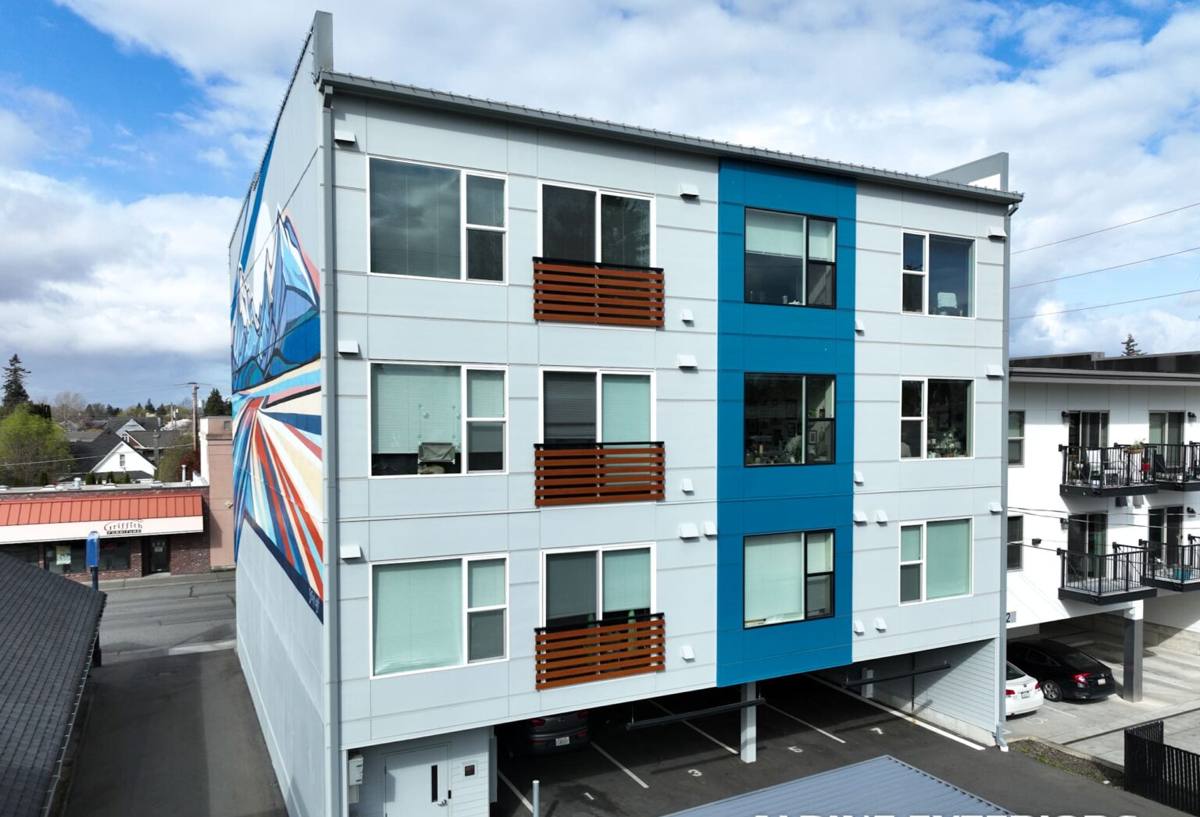
What Lynden's Climate Actually Does to Windows
The biggest threat to a window in this area isn't a single storm — it's cumulative exposure. Whatcom County gets a long wet season, and driving rain (rain pushed sideways by wind, not just falling straight down) finds its way into any gap in flashing or sealant that a drier climate would never expose. Over time, that leads to a predictable set of problems:
- Rot at the sill and framing — water that gets behind the window and has nowhere to drain sits against wood framing for months at a time during the wet season.
- Failed seals and fogged glass — older double-pane units lose their seal faster when they're cycling through constant damp-to-dry swings.
- Moss and organic growth around trim — Whatcom County's long moss season isn't just a roof problem; it colonizes damp window trim and sills too, and it holds moisture against wood once it takes hold.
- Drafts from settled or shrunk framing — older homes in the area have had decades of wet-dry cycling, which can shift window openings slightly out of square.
None of this means Lynden homes need anything exotic. It means the installation details — flashing, drainage, sealant choice, and fit — need to be done right the first time, because this climate doesn't forgive shortcuts the way a dry climate does.
Salt Air's Reach
Ferndale and the coastal parts of Whatcom County deal with salt air directly off the water, which accelerates corrosion on hardware and finishes. Lynden is far enough inland that salt exposure is a smaller factor, but the broader point still applies: this region's air carries more moisture year-round than most of the state, and materials and hardware that aren't rated for a marine-influenced climate wear out faster here regardless of exact distance from the water.
Signs a Lynden Home Needs New Windows
Homeowners usually notice one of these before they call:
- Visible condensation or fog between the panes (a sign the seal has failed)
- Soft or discolored wood at the sill or around the frame
- Windows that are hard to open, close, or lock — often a sign the frame has shifted
- Noticeable draft near the window even when it's fully closed
- Rising heating bills without another clear cause
- Moss, algae, or persistent green staining building up on the trim
Any one of these is worth a look. Several at once usually means it's time to plan for replacement rather than another round of caulk and patch.
What a Correct Installation Involves
Window installation is one of those jobs that looks simple from the outside and is easy to do halfway. The parts that actually determine whether a window lasts happen before the new unit ever goes in the opening.
1. Remove and Inspect
The old window comes out and we inspect the framing underneath — sill, jambs, and header — before anything new goes in. This is where hidden rot or past water damage shows up. It's far better to find it now than to seal a new window over a problem that's already there.
2. Repair Framing as Needed
Any soft or damaged wood gets repaired or replaced. Installing a new window over compromised framing just delays the same failure a few more years — it doesn't prevent it.
3. Flash and Weatherproof Correctly
This is the step that matters most in a climate like this one. Proper flashing directs water that gets past the exterior cladding back out and away from the framing, rather than letting it pool. Sill pans, house wrap integration, and correctly lapped flashing tape all work together — done in the wrong order, they can actually trap water instead of shedding it.
4. Set, Shim, and Square
The window gets set level, plumb, and square, then shimmed and fastened per the manufacturer's specifications. A window that's slightly out of square will bind, won't seal evenly, and puts uneven stress on the frame over time.
5. Seal and Insulate
Low-expansion foam or backer rod and sealant fill the gap between the window and the framing — enough to stop air movement without bowing the frame. Exterior trim and caulking finish the weatherproofing on the outside.
6. Final Check
Every window gets operated, checked for square, and inspected for gaps before we call the job done.
Comparing Common Window Options
There's no single "right" window for every Lynden home — it depends on the home's age, existing trim, and budget. Here's a general comparison of what we most often install or discuss with homeowners in this area:
| Frame Material | Moisture Performance in This Climate | Maintenance | Typical Lifespan |
|---|---|---|---|
| Vinyl | Good — won't rot, handles constant damp well | Low | 20–30 years |
| Fiberglass | Very good — stable in wet/dry cycling, minimal expansion/contraction | Low | 30+ years |
| Wood-clad | Good on the exterior face, but the wood core depends entirely on sealing quality | Moderate — periodic finish upkeep | 20–30 years with upkeep |
| Aluminum | Prone to condensation and thermal transfer in a cold, wet climate unless thermally broken | Low | 20–30 years |
We install vinyl and fiberglass most often in this area because they handle Whatcom County's sustained moisture with the least long-term maintenance. That's a practical call based on how this climate treats materials over decades, not a knock on other products — every material has a place depending on the home and the homeowner's priorities.
Our Process for a Lynden Window Project
- Free on-site estimate — we look at your existing windows and framing, talk through what you're trying to solve (drafts, rot, energy bills, appearance), and give you honest options.
- Straightforward proposal — clear pricing and product options, no pressure to upgrade beyond what actually makes sense for your home.
- Scheduled installation — most home window projects take one to a few days depending on the number of openings.
- Framing inspection and repair — handled as part of the job, not billed as a surprise add-on unless we find something significant, which we'll always show and explain before proceeding.
- Final walkthrough — we check operation and seal on every window with you before we consider the job finished.
Why Hire a Crew That Already Works in This Area
Window installation isn't regionally exotic work, but the details that matter — flashing sequencing, sealant choice, how much moisture tolerance a given framing detail needs — are learned by doing the work in this specific climate, not from a general training manual. A crew that installs windows across Whatcom County sees the same rain patterns, the same wet-season framing issues, and the same moss and moisture problems on a regular basis. That familiarity shows up in fewer callbacks and windows that perform the way they're supposed to for the long haul.
It also matters for the parts of a project you don't see: knowing which flashing details actually hold up locally, sourcing hardware that won't corrode prematurely in this region's air, and recognizing early-stage rot before it becomes a bigger repair.
A Quick Pre-Estimate Checklist
Before we come out, it helps to have a rough sense of the following — it speeds up the estimate and gives you a clearer picture going in:
- How many windows you're considering replacing (all at once, or a phased approach)
- Any specific problems you've noticed (drafts, fogging, sticking, visible rot)
- Whether you want to match existing trim style or are open to changing it
- Rough budget range, so we can point you toward materials that fit it
- Any known history of leaks or water damage near the windows
If your Lynden home has windows that are drafty, fogged, or showing signs of wear from Whatcom County's long wet season, we're happy to take a look and give you a straightforward, no-pressure estimate. Use the form below to get started.