 Ferndale
 A Peninsula Climate That Doesn't Forgive Shortcuts
Point Roberts sits on its own small peninsula, bordered by water on three sides and exposed to weather that most inland Whatcom County neighborhoods simply don't see in the same intensity. Wind carries salt spray off the water and deposits it directly onto exterior walls, where it works into seams, fasteners, and any gap in a home's weather barrier. Add the driving, wind-pushed rain that comes with winter storms off the Strait of Georgia, and you have a climate that tests siding in ways a catalog spec sheet never fully captures.
Then there's moss. Whatcom County's mild, wet winters and shaded, humid microclimates near the water give moss and algae a long growing season — realistically much of the year on north-facing walls, under eaves, and anywhere siding stays damp longer than it should. Moss doesn't just look bad. On the wrong material, it holds moisture against the wall, feeds rot, and accelerates paint failure. None of this is unique to Point Roberts, but the combination — salt exposure plus sustained dampness plus a long moss window — is more concentrated here than in most of the surrounding region.
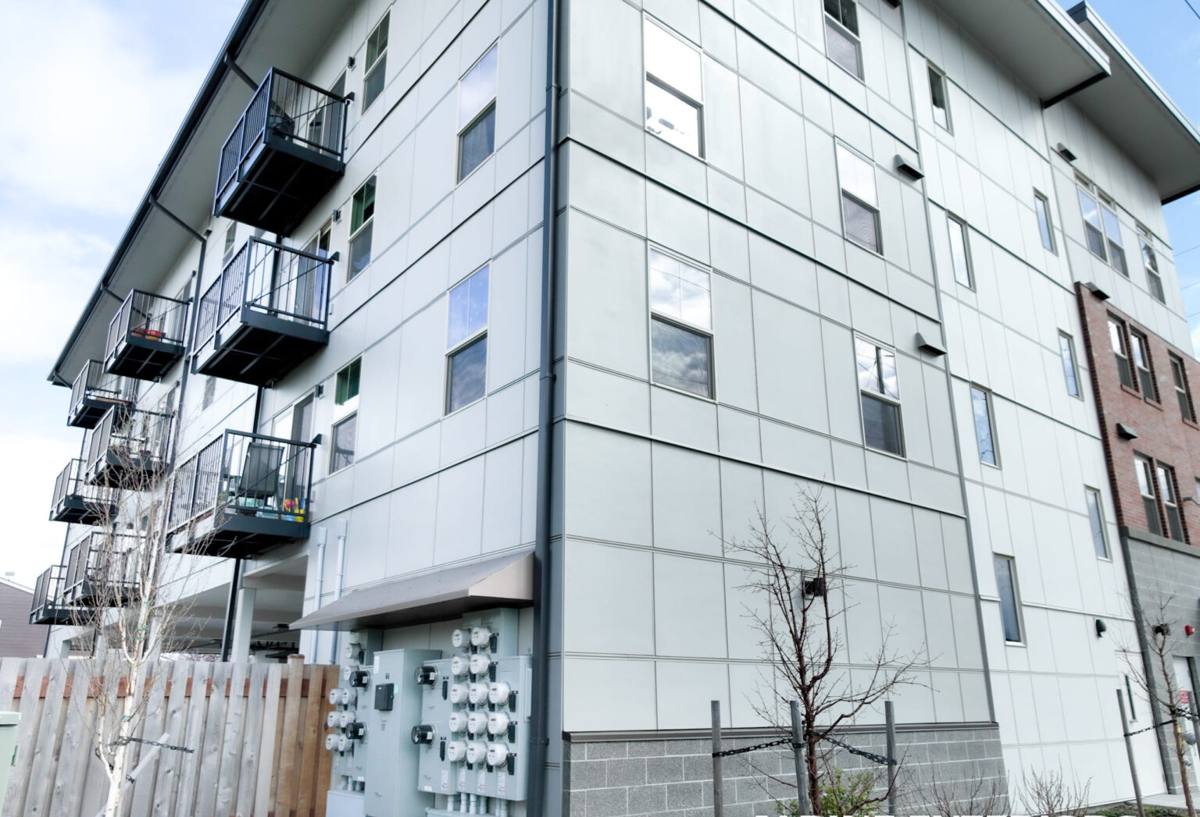
Why Material Choice Is the First Decision, Not an Afterthought
A lot of siding problems on the water side of Whatcom County trace back to material choice, not workmanship. Wood-based products absorb moisture and swell, crack, or delaminate over time when they stay damp as often as siding does near Point Roberts. Vinyl can hold up structurally but tends to chalk, fade, and warp faster under direct salt and sun exposure, and it doesn't offer much resistance to the kind of wind-driven rain this area gets. Engineered wood products like LP SmartSide perform reasonably well in moderate climates but still rely on a wood-strand core, which means their long-term durability depends heavily on keeping every cut edge and seam sealed — a hard standard to maintain over decades in a marine environment.
This is why we install James Hardie fiber cement siding exclusively, and why we don't offer vinyl, LP SmartSide, primed spruce, cedar, or other fiber cement brands. Hardie's siding is engineered specifically for climates like this one — the HardieZone HZ5 product line is formulated for the wetter, colder Pacific Northwest rather than a one-size-fits-all national spec. It's non-combustible, it doesn't absorb water the way wood-based products do, and its factory-applied ColorPlus finish resists the fading and chalking that salt air accelerates on painted surfaces. We won't say competing products are junk — plenty of them are reasonable choices in the right setting — but for a peninsula home taking direct salt spray and driving rain, we think the trade-offs of those other materials aren't worth carrying for 30-plus years.
What Correct Installation Requires, Beyond the Material
Even the best siding fails early if it's installed wrong, and that risk is higher in a demanding climate because mistakes get exposed faster. A correct James Hardie installation on a Point Roberts home involves several details that are easy to skip and expensive to fix later:
- A continuous weather-resistive barrier behind the siding, lapped correctly so water sheds outward instead of working inward
- Proper flashing at every horizontal joint, window, door, and roofline intersection — including kick-out flashing where a roof edge meets a wall, a spot that's especially prone to hidden water damage near driving rain
- Correct fastener placement and spacing, using fasteners rated to resist the corrosion that salt air accelerates
- Minimum clearance between the bottom of the siding and grade, decks, or roof lines, so moisture and moss-prone debris don't sit against the material
- Tight, properly caulked joints at trim and penetrations, using sealants rated for the movement and moisture cycling this climate produces
Skip any one of these and you can end up with moisture intrusion behind siding that still looks fine from the curb — which is often worse than an obvious problem, because it goes unnoticed until there's real damage to sheathing or framing.
Our Installation Process
We run the same disciplined process on every Point Roberts job, adjusted for the specific exposure and layout of the home:
- On-site assessment — we look at wind and rain exposure by elevation, existing moisture damage, roofline intersections, and any areas already showing moss or algae growth
- Tear-off and substrate check — removing existing siding lets us inspect sheathing and framing for hidden rot before anything new goes on; problems found here get addressed before installation, not covered up
- Weather barrier and flashing — this is the layer that actually keeps water out long-term; it gets installed and inspected before a single piece of siding goes up
- Siding installation — Hardie panels or lap siding installed to manufacturer spec, with attention to fastening, spacing, and joint treatment
- Trim, caulking, and finish work — sealing details that matter most in wind-driven rain conditions
- Final walkthrough — we go over the completed work with the homeowner and flag any maintenance notes specific to the home's exposure
Why Point Roberts Logistics Matter for Hiring a Contractor
Point Roberts is separated from the rest of Washington State by geography — reaching it by land means crossing an international border twice, since the only road route runs through Canada. It's still Whatcom County, still subject to the same Washington building codes and permitting requirements as the rest of the county, but the practical logistics of getting a crew and materials there are different from a typical mainland job.
A contractor who hasn't worked in Point Roberts before has to learn all of this on your project: border crossing timing for daily crew access, coordinating material deliveries so they arrive with the crew rather than sitting exposed, and building a schedule that accounts for the extra friction of getting equipment back and forth. A crew that already works this area has that logistics problem solved before your project starts, which means fewer delays and fewer surprises mid-job.
Cost Factors on a Point Roberts Siding Project
Every siding project is priced around the specifics of the home, but a few factors consistently move the cost and timeline on Point Roberts jobs more than they would on a typical mainland project:
| Factor | Why It Matters Here | Effect on the Job |
|---|---|---|
| Existing moisture damage | Long-term salt and rain exposure increases the chance of hidden sheathing or framing rot found at tear-off | Can add repair scope once walls are opened up |
| Elevation and wind exposure | Water-facing walls take more direct wind-driven rain and salt spray than sheltered sides | May justify extra flashing detail or trim work on exposed elevations |
| Access and delivery logistics | Crew and material movement across the border adds scheduling steps not present on mainland jobs | Factored into project scheduling, not typically a major cost driver if planned for |
| Roofline and trim complexity | More rooflines and penetrations mean more flashing details to get right | Increases labor time relative to a simple rectangular elevation |
| Moss and algae remediation | Heavily affected walls may need cleaning or minor repair before new siding goes on | Adds prep time in isolated cases |
Rather than quote generic numbers that don't reflect your home, we walk the property, note these factors, and give a written estimate based on what we actually find.
Living With Hardie Siding in a Salt-Air, Moss-Prone Climate
One of the practical advantages of James Hardie's factory-applied ColorPlus finish is that it's designed to hold color and resist the chalking and fading that raw or field-painted surfaces experience faster under salt exposure. That doesn't mean zero maintenance — it means the maintenance burden is lighter than wood or vinyl over the same span of years.
A few habits go a long way on a Point Roberts home:
- Keep gutters clear so water doesn't overflow and run down siding repeatedly in the same spot
- Trim back vegetation and branches that shade siding and keep it damp, which is what lets moss establish in the first place
- Rinse siding periodically, especially on north-facing or heavily shaded walls, to knock back early moss and salt residue before it builds up
- Have caulked joints and trim inspected every few years, since sealant is the component most likely to need attention before the siding itself does
What to Look for When Hiring a Siding Contractor for This Area
Not every contractor who can install siding well on a typical inland home will handle a Point Roberts project the same way. Before hiring, it's worth asking:
- Have they completed projects specifically in Point Roberts, and do they understand the border-crossing logistics for crew and deliveries?
- Do they install to manufacturer flashing and clearance specs, or just to "what's always worked" on easier jobs?
- Will they inspect and address sheathing or framing issues found during tear-off, rather than siding over them?
- Can they explain, in plain terms, why they recommend the material they recommend for this specific exposure?
- Do they provide a written estimate that reflects an actual site visit, not a phone-quote guess?
A contractor who can answer these clearly, without hedging, is generally one who has actually done the work in conditions like these before.
Get an Honest Look at Your Home
If you're weighing a siding replacement on a Point Roberts home, we're happy to walk the property, point out what the current siding and flashing are doing right or wrong, and explain what a correct James Hardie installation would involve for your specific exposure. There's no pressure and no cost to get a straight answer — just fill out the form below to request a free estimate.