 Ferndale
 Window Replacement for Custer Homes
Custer sits in the flat, wind-exposed farmland north of Ferndale, close enough to Semiahmoo Bay and the Strait of Georgia that salt-laden air is a fact of life for anyone who owns a home out here. Add in Whatcom County's long wet season, driving rain off the water, and months of moss-friendly gray weather, and you've got a climate that is genuinely tough on windows. Vinyl fades and chalks faster near salt air. Wood sashes trap moisture and rot from the inside out. Old aluminum frames condensate and corrode. If you've owned a house in Custer for more than a decade, you've probably already seen one or more of these problems firsthand.
This page is specifically about window replacement for Custer properties — not a general overview of window brands. We want to walk through what this climate actually does to windows, what a correct replacement job looks like, and how we handle it differently than a crew passing through from out of the area.
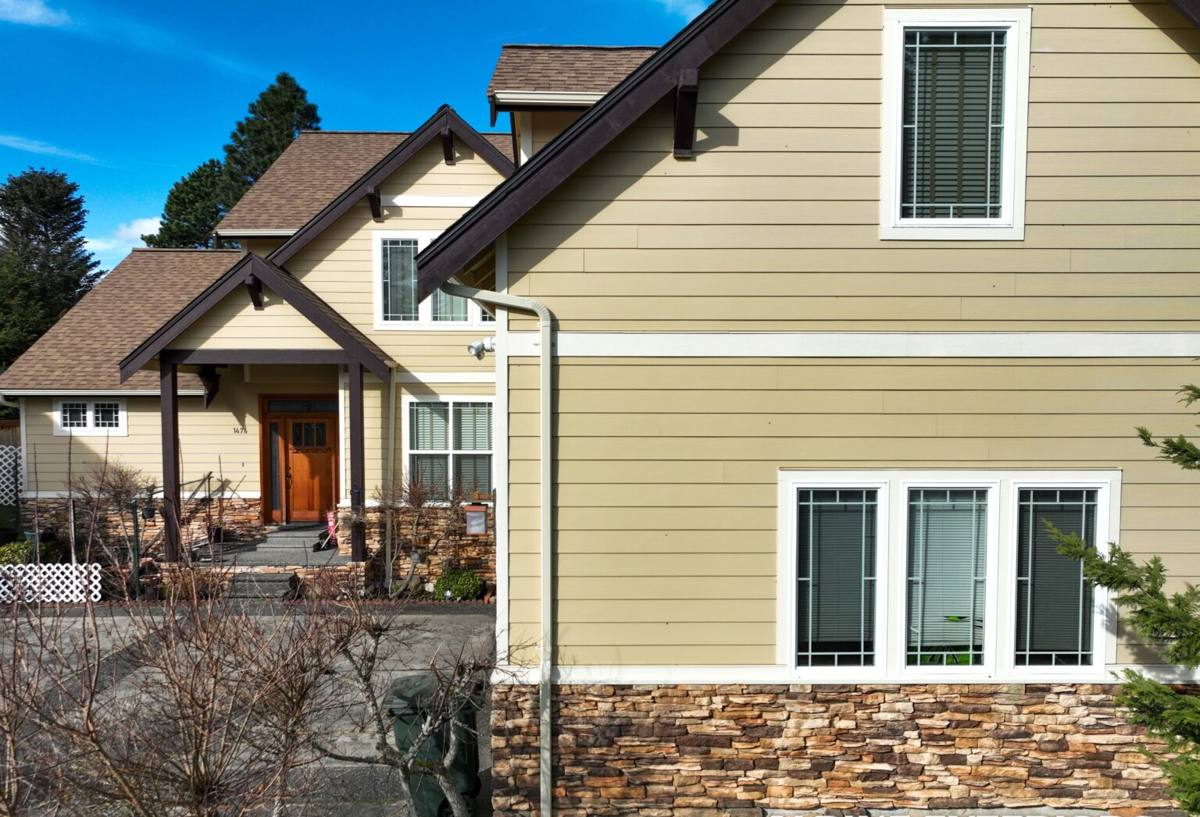
What Salt Air, Driving Rain, and Moss Season Do to Windows
Salt Air
Airborne salt from the Strait and the bay settles on everything, including window frames and hardware. On vinyl, it accelerates surface breakdown and dulls finishes years ahead of schedule. On aluminum and lower-grade hardware, it drives corrosion at hinges, locks, and screws — the small parts that determine whether a window still opens and locks properly ten years in. Salt exposure isn't a reason to avoid certain materials outright, but it does mean hardware quality and frame material matter more here than they would fifty miles inland.
Driving Rain
Custer's open exposure means wind-driven rain hits window walls at an angle, not straight down. That's a water-management problem more than a glass problem. A window can be well-built and still leak if the flashing, sill pan, and sealant details around it weren't installed to shed water sideways and downward, not just from above. Most of the leaks we get called out to inspect in this area trace back to installation details, not the window unit itself.
Moss Season
Western Whatcom County's long damp stretch from fall through spring keeps moisture sitting on and around window trim, sills, and the wall assembly longer than in drier climates. Moss and algae take hold on shaded, north-facing walls, and organic growth against wood trim or a poorly sealed sill holds moisture against the frame. Over years, that's what quietly rots sills and trim before an owner notices anything from inside the house.
Signs a Custer Home Needs Window Replacement
- Fogging or a visible haze between panes — the seal has failed and insulating gas has escaped
- Soft, spongy, or discolored wood at the sill or bottom corners of the frame
- Windows that are hard to open, close, or lock, especially after damp weather
- Visible gaps, drafts, or cold spots felt near the frame on a windy day
- Chalky, faded, or pitted vinyl or aluminum surfaces
- Moss or dark streaking on trim or siding directly below or beside a window
- Condensation forming on the inside of the glass regularly during cold months
- Paint or caulk that's cracked and pulling away from the frame edges
Any one of these on its own might just mean a minor repair. Several together, especially on the weather-facing side of a house, usually mean the window and its surrounding flashing have been letting moisture in for a while.
What a Correct Window Replacement Job Involves
Swapping in a new window is the easy part. What actually determines whether the job holds up in Custer's weather is everything around the window itself.
Removing the Old Window Correctly
We pull the old unit and inspect the rough opening before anything new goes in. This is where hidden rot, soft framing, or failed old flashing shows up — problems that were happening under the surface long before the window itself looked bad. It's far cheaper to catch and fix this during a planned replacement than after a wall has failed.
Flashing and Drainage
Given how much wind-driven rain this area sees, the sill pan and flashing details matter as much as the window unit. A correctly flashed opening directs any water that gets past the window back out, rather than letting it sit against the framing. This is the step that's most often rushed or skipped by installers who aren't used to building for this kind of weather exposure.
Air Sealing and Insulation
Gaps around the rough opening get properly insulated and air-sealed — not just caulked on the outside. This affects both energy performance and how much condensation shows up on the glass during cold, damp stretches.
Exterior Sealant and Trim
Sealant beads, trim, and any capping are finished to shed water and resist the salt-air breakdown that shortens the life of lower-grade caulk in this area. We also make a point of leaving proper weep paths clear so water that does reach the sill can drain back out instead of pooling.
Choosing the Right Window Material for This Climate
There's no single "best" window material for every home — it depends on budget, the home's style, and how exposed the specific wall is to salt air and driving rain. Here's how the common options actually compare for a property like one in Custer.
| Material | Salt Air Resistance | Maintenance | Typical Lifespan |
|---|---|---|---|
| Vinyl | Good with quality-grade product; lower grades chalk faster | Low — occasional cleaning | 20-30 years |
| Fiberglass | Very good — dimensionally stable, resists pitting | Low | 30-40+ years |
| Wood (clad exterior) | Good on the exterior face if the cladding is intact; the wood core still needs protection | Moderate — cladding needs occasional inspection at joints | 25-35 years |
| Aluminum | Poor to fair — prone to corrosion and condensation in salt air unless thermally broken | Moderate | 20-25 years |
We don't push one brand or material as universally correct. Instead we look at where the window sits on the house — a west or southwest-facing wall taking the brunt of storms off the water is a different decision than a sheltered wall on the lee side of the home.
Our Window Replacement Process
- On-site assessment — We look at existing windows, framing condition, and how exposed each wall is to wind and rain before recommending anything.
- Straightforward quote — Clear pricing by window, with material and installation detail options explained, not buried in vague line items.
- Scheduled installation — We work around Whatcom County's weather windows rather than rushing installs during an active storm system.
- Removal and opening inspection — Old units come out, and we check the rough opening for hidden damage before installing anything new.
- Correct flashing, sealing, and finish work — Built for this area's driving rain, not a generic install.
- Final walkthrough — We check operation, seals, and finish with you before we call the job done.
What Affects the Cost of Window Replacement in Custer
| Factor | Why It Matters Here |
|---|---|
| Number and size of windows | Larger openings and full-house replacements cost more but are often more efficient to schedule as one project |
| Frame material | Fiberglass and quality vinyl cost more upfront than lower-grade options but hold up better against salt air over time |
| Condition of the rough opening | Rot or hidden water damage found during removal adds repair work before the new window goes in |
| Glass package | Double or triple-pane and Low-E coatings affect both price and long-term energy performance in our cold, damp winters |
| Exposure of the wall | A wall facing prevailing wind and rain may warrant upgraded flashing details, which adds labor time |
We give a real range during the on-site visit rather than a phone-quote guess, because the condition of the existing opening genuinely changes the scope of work.
Why Hire a Crew That Already Works in Custer
Window installers who mainly work drier, more sheltered parts of the state don't always build for wind-driven rain and salt air as a matter of habit — it's just not what their usual jobs demand. A crew that regularly works this part of Whatcom County treats sill pans, flashing laps, and weep paths as standard practice, not an upsell, because we've seen what happens when they're skipped: rot at the sill, stained trim, and windows that fail years before they should have.
We're also familiar with how exposure varies even within a small area like Custer — a home in a more open, wind-exposed spot needs different attention than one tucked behind a windbreak. That local familiarity is less about knowing addresses and more about knowing how this specific stretch of coastline weather behaves on a house.
Get a Free, No-Pressure Estimate
If your windows in Custer are showing their age — fogged glass, sticking sashes, drafts, or moss and staining creeping in around the trim — we're happy to take a look and give you an honest assessment. There's no pressure and no obligation, just a straight read on what your windows actually need. Use the form below to request your free estimate.