 Ferndale
 Metal Roofing in Blaine: Built for What This Coastline Actually Does to a Roof
Blaine sits close enough to the water that salt air is a daily fact of life, not an occasional nuisance. Add in driving rain off the Strait of Georgia and a moss season that can run eight months out of the year, and you have one of the tougher roofing environments in Whatcom County. A metal roof that's installed correctly can handle all of that for decades. A metal roof that's installed with shortcuts — the wrong fasteners, no separation between dissimilar metals, poor flashing details — will show corrosion, leaks, or streaking within a few years. The difference almost always comes down to installation, not just the panel you chose.
We work on homes throughout Ferndale and Blaine, and we've seen both outcomes on roofs that started out looking identical. This page walks through what your climate actually demands, what a correct metal roof job looks like, and how we handle it.
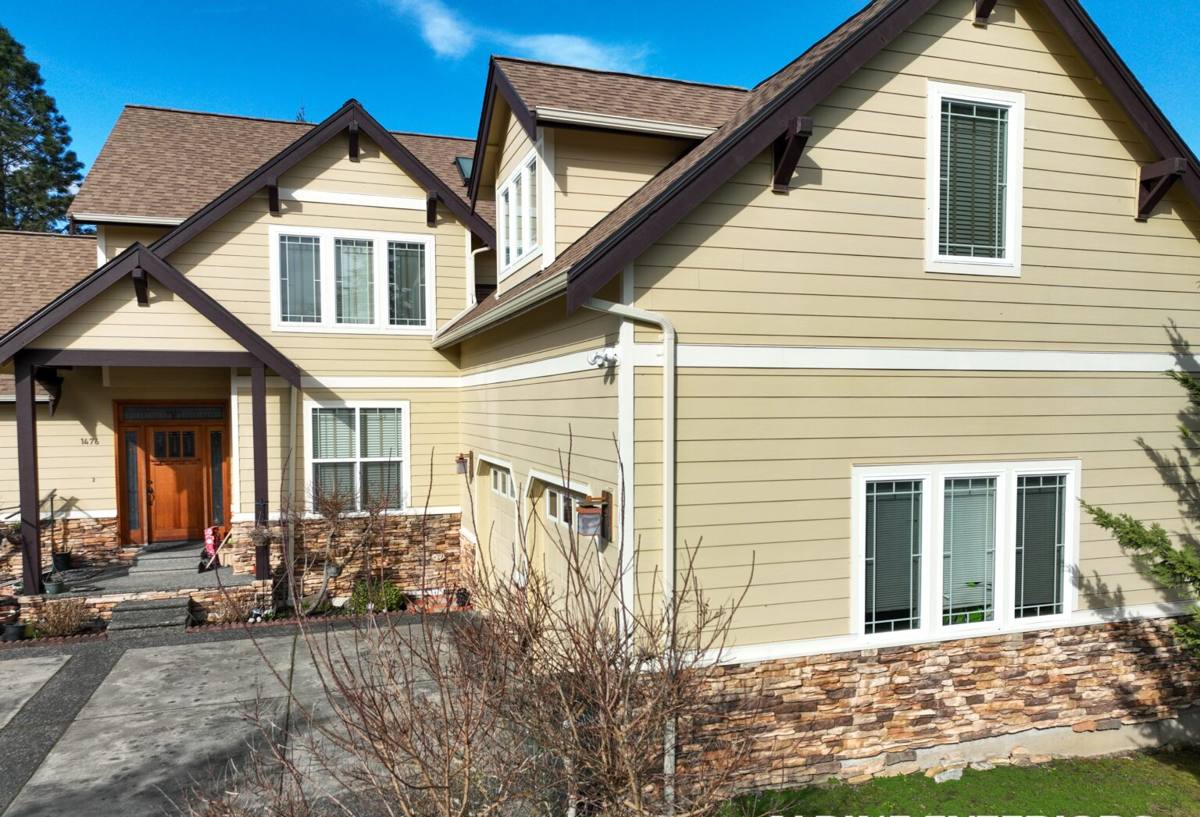
What Blaine's Climate Does to a Metal Roof
Salt Air
Airborne salt from the Strait accelerates corrosion on any exposed metal, especially at cut edges, fastener heads, and flashing seams where the protective coating can be thin or damaged during installation. This is why coating quality and edge treatment matter more here than they would on a roof twenty miles inland.
Driving Rain
Wind-driven rain doesn't just fall straight down — it gets pushed sideways and upward under panel laps, around penetrations, and into any gap in the underlayment. A metal roof depends on its seams, laps, and flashing details to shed that water correctly. Panel choice matters less here than lap direction, fastener spacing, and how the roof was detailed at valleys, walls, and penetrations.
Moss and Sustained Moisture
Whatcom County's long wet season keeps roof surfaces damp for extended stretches, which is exactly what moss needs to establish. Moss holds moisture against the roof surface, which is a bigger problem for shingle roofs than metal ones — but metal roofs aren't immune. Moss and organic debris can build up in valleys, around chimneys, and at low-slope transitions, holding water against seams and accelerating coating breakdown in those spots specifically.
Metal Panel Options for Blaine Homes
Not every metal roofing system performs the same way in a coastal, high-rainfall environment. Here's how the common options compare for a Blaine application:
| Panel Type | Coastal / Salt Air Performance | Best Use Case |
|---|---|---|
| Standing Seam (steel, PVDF coating) | Strong — concealed fasteners reduce corrosion points, mechanically seamed laps shed driving rain well | Full roof replacements, most Blaine homes |
| Standing Seam (aluminum) | Excellent — aluminum doesn't rust, a good fit for the saltiest sites closest to the water | Waterfront or near-waterfront properties |
| Exposed-Fastener Metal Panels | Weaker — fastener penetrations are the first failure point in salt air and driving rain | Outbuildings, shops, budget-driven projects with realistic expectations |
| Stone-Coated Steel Tile | Good — thick coating resists salt exposure, but more seams and fasteners than standing seam | Homeowners wanting a shingle or tile look with metal durability |
For most Blaine homes, we recommend standing seam over exposed-fastener panels. The upfront cost is higher, but the concealed fastener system removes the most common failure point in a salt-air, high-rain environment. We'll walk through the honest trade-offs for your specific site and budget rather than pushing one system by default.
What a Correct Metal Roof Installation Actually Involves
The panel is the visible part of the job, but most of what determines whether a metal roof lasts happens underneath and around it.
Underlayment
A high-temperature synthetic or self-adhered underlayment gives you a second line of defense if wind-driven rain gets past the panel laps — which, in this climate, it eventually will at some point during a hard storm. Skipping a quality underlayment to save money is one of the most common shortcuts we see on older installations.
Fastener and Metal Compatibility
Mixing incompatible metals — for example, the wrong fastener alloy against a steel or aluminum panel — sets up galvanic corrosion that eats through the panel from the fastener outward. This is a bigger issue in salt air because the moisture that drives galvanic reaction is more concentrated. Every fastener, flashing piece, and trim component needs to be matched to the panel material.
Flashing and Detail Work
Valleys, chimneys, skylights, wall transitions, and vent penetrations are where the vast majority of metal roof leaks actually originate — rarely the flat field of the panel itself. Correct flashing means proper laps, sealant used as a backup rather than a primary seal, and details built to shed water rather than rely on caulk to stop it.
Ventilation
A metal roof needs balanced intake and exhaust ventilation just like any other roofing system. Poor ventilation traps moisture in the attic, which can condense on the underside of the metal and cause problems that have nothing to do with the roof surface itself but get blamed on the roofing anyway.
Panel Lap Direction and Seaming
On a site exposed to driving rain, lap direction relative to prevailing wind and correct seam engagement (mechanically seamed vs. snap-lock, depending on slope and exposure) is a real engineering decision, not a cosmetic one. We factor in your specific site exposure when planning panel layout.
Our Process
- On-site assessment — We inspect the existing roof, decking, and ventilation, and check exposure to prevailing wind and salt air specific to your property.
- Material and system recommendation — We recommend a panel type and finish based on your budget, the home's exposure, and how long you plan to own the property.
- Deck and structure prep — Any soft or damaged decking gets replaced before a single panel goes down. Metal roofing over a compromised deck is a warranty and performance problem waiting to happen.
- Underlayment and flashing installation — This is where most of the long-term performance is actually built in, done before the panels are visible.
- Panel installation — Panels are installed with correct fastener spacing, lap direction, and seam engagement for your specific roof geometry.
- Final walkthrough — We review the completed roof with you, including what maintenance it will and won't need going forward.
What Affects the Cost of a Metal Roof in Blaine
| Factor | Why It Matters Here |
|---|---|
| Panel material (steel vs. aluminum) | Aluminum costs more but eliminates rust risk entirely — worth considering closer to the water |
| Roof complexity (valleys, dormers, penetrations) | More detail work means more flashing, which is where cost and labor time both increase |
| Existing deck condition | Coastal moisture exposure sometimes means deck repair is needed before installation |
| Coating and finish grade | Higher-grade PVDF finishes resist salt exposure and fading longer than lower-grade coatings |
| Tear-off vs. re-roof | Removing an old roof adds cost but lets us inspect and correct the deck and ventilation underneath |
Metal roofing costs more upfront than asphalt shingles, but the honest comparison is lifecycle cost — fewer replacement cycles, less maintenance in a moss-prone climate, and stronger performance against wind-driven rain. We'll give you real numbers for your specific roof rather than a generic estimate.
Maintaining a Metal Roof in a Wet, Salty Climate
Metal roofs need far less maintenance than shingle roofs, but "less" isn't "none" — especially here. A short annual routine goes a long way:
- Clear valleys, gutters, and low-slope transitions of moss, needles, and organic debris before fall rains arrive
- Rinse off salt residue and grime after major windstorms, particularly on roofs facing open water or exposed hillsides
- Check sealant at penetrations (vents, chimneys) every couple of years — sealant is a backup to good flashing, not the primary defense, but it still needs attention
- Watch for any scratches or scuffs in the coating from fallen branches or foot traffic, since exposed bare metal is where corrosion starts fastest in salt air
- Keep overhanging branches trimmed back to reduce debris buildup and moss spore contact with the roof surface
Why Hiring a Crew That Already Works in Blaine Matters
A lot of roofing problems in this area aren't caused by bad materials — they're caused by details that work fine in a drier, calmer climate but fail here. A crew that mostly works inland doesn't necessarily think about lap direction relative to wind off the water, or about specifying the right fastener alloy for a site two blocks from salt spray. We work in Ferndale, Blaine, and the surrounding Whatcom County coastline regularly, so those decisions aren't an afterthought — they're built into how we plan and install every roof from the start.
We also stand behind the work with a crew you can actually reach afterward, rather than a name that shows up once and disappears. If something needs a look five years down the road, we're still local.
Signs Your Current Metal Roof Needs Attention
If you already have a metal roof in Blaine, a few warning signs are worth acting on before they become bigger problems:
- Rust streaks or discoloration at fastener heads, seams, or cut edges
- Moss or dark streaking building up in valleys or shaded sections
- Loose or lifting panels after a wind event
- Staining on interior ceilings near penetrations, valleys, or wall transitions
- Chalking or fading finish that's noticeably worse than surrounding areas, which can signal a coating failure specific to that section
None of these automatically mean a full replacement — often it's a flashing repair or a maintenance visit. But catching them early is always cheaper than waiting.
If you're weighing a new metal roof or want an honest look at one you already have, we're happy to walk your roof with you and give you a straight answer — no pressure, no upsell. Use the form below to request a free estimate.