 Ferndale
 Why Siding Repair in Cordata Isn't a One-Size-Fits-All Job
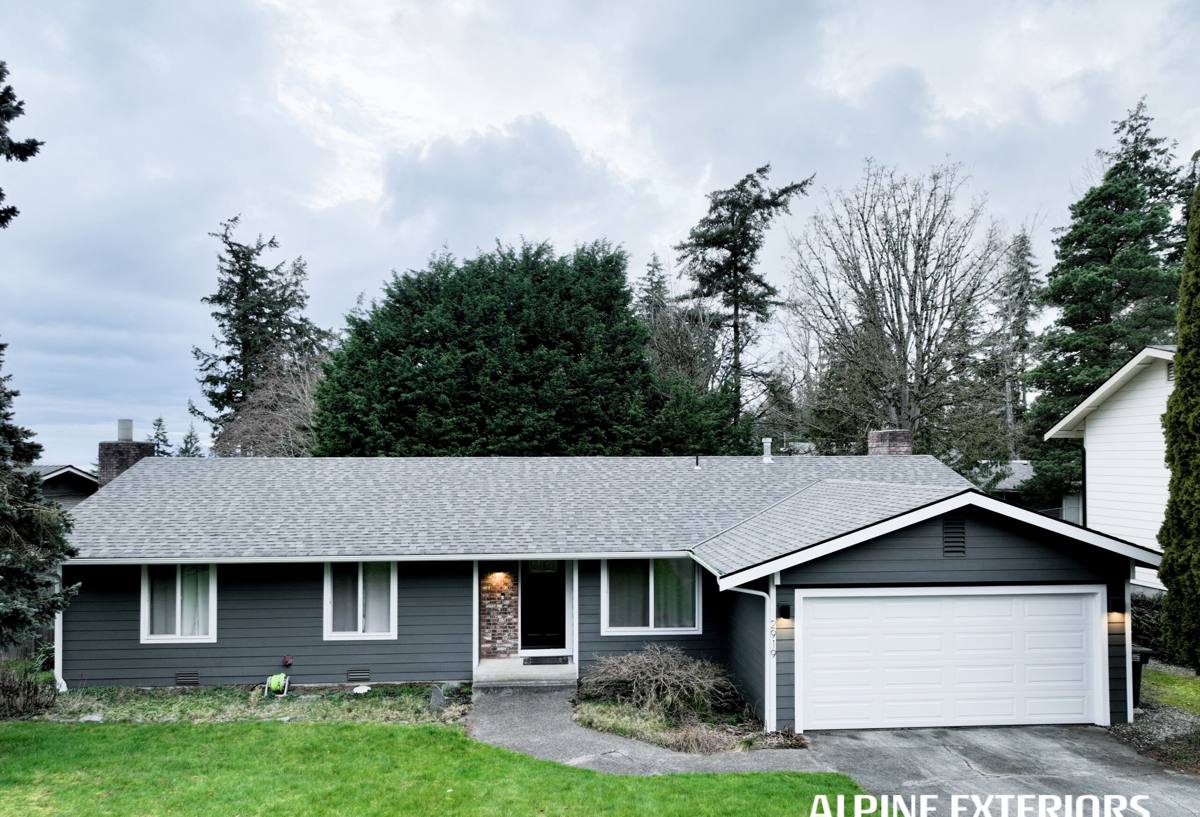
Cordata sits close enough to the water and open farmland around Ferndale and northern Whatcom County that its homes take a specific kind of beating year-round. It isn't one dramatic storm that wears siding out here — it's the combination of salt-laden marine air, long stretches of driving rain off the Strait, and a moss season that can run eight or nine months out of the year. Any one of those on its own is manageable. Together, they change what "siding repair" actually means for a house in this area.
A repair crew that mostly works inland or in drier climates will often treat a damaged siding panel as an isolated cosmetic fix — pull it, patch it, caulk it, move on. In Cordata, that approach tends to fail within a season or two, because the damage you can see is rarely the whole story. Moisture here doesn't dry out fast between rain events, and salt air accelerates corrosion on fasteners and trim in ways that dry-climate repair habits don't account for.
What Salt Air, Rain, and Moss Actually Do to Siding
Salt Air
Homes within a few miles of Bellingham Bay and the surrounding waterways deal with airborne salt that settles on exterior surfaces even without a direct ocean view. Over time it accelerates the breakdown of caulking, corrodes exposed nail heads and metal flashing, and can pit or dull certain paint finishes faster than a manufacturer's warranty timeline assumes for a "typical" climate.
Driving Rain
Whatcom County's rain often comes sideways, pushed by wind off the water. That matters because siding is a water-shedding system, not a waterproof one — it relies on lap spacing, flashing, and house wrap doing their jobs together. Wind-driven rain finds every shortcut in that system: a lifted lap, a gapped joint, a caulk line that's failed. Once water gets behind the siding, it can travel and cause damage far from the point it entered.
Moss and Algae
Shade, moisture, and mild temperatures make Cordata and the surrounding area a near-ideal environment for moss and algae growth on north-facing walls, under eaves, and anywhere air doesn't circulate well. Beyond the cosmetic staining, moss holds moisture directly against the siding surface for extended periods, which is exactly the condition that causes swelling, delamination, or rot in moisture-sensitive materials.
Common Repair Calls We See in Cordata
- Soft or swollen panels near the ground, around downspouts, or below window sills — usually a sign of long-term moisture exposure rather than a single event
- Cracked or lifted caulk joints at trim, corners, and penetrations, letting wind-driven rain behind the siding
- Moss and algae staining on shaded elevations, especially north- and west-facing walls
- Impact damage from storm debris, ladders, or landscaping equipment
- Corroded or backed-out fasteners from years of salt exposure, leaving panels loose or slightly misaligned
- Warping or buckling on older wood-based or engineered wood siding that's absorbed moisture repeatedly over multiple wet seasons
What a Correct Repair Actually Involves
A repair that holds up in this climate starts before anyone touches the damaged panel. The real work is figuring out why that spot failed, not just patching what's visible.
1. Find the Water Source, Not Just the Symptom
Discoloration or soft siding is a symptom. The cause might be a failed kick-out flashing, a gutter that overflows in heavy rain, poor grading pushing splashback onto the wall, or simply age-related caulk failure. Repairing the siding without addressing the source means the same failure comes back — often in the same spot, sometimes worse.
2. Check What's Behind the Siding
Once panels are pulled, the house wrap, flashing, and sheathing underneath need a real look. If water has been getting behind the siding, there's a real chance the wrap or sheathing has taken damage too. Patching new siding over compromised sheathing just hides a problem that gets more expensive to fix later.
3. Match Material and Reveal Correctly
Replacement pieces need to match the existing siding's profile, exposure, and reveal — not just the general look. Mismatched lap spacing or plane creates new water-entry points and stands out visually, which matters if the repair is on a street-facing elevation.
4. Rebuild the Water Management, Not Just the Surface
Flashing, house wrap laps, and caulking at penetrations get rebuilt to shed water correctly — not just sealed with a bead of caulk over the gap. In a climate with this much wind-driven rain, water management details matter more than they would somewhere drier.
5. Finish and Blend
Factory-finished siding (like James Hardie's ColorPlus finish) holds color and touch-up better than field-painted repairs, but any repair still needs careful color and sheen matching so the fixed section doesn't stand out from the surrounding wall.
Repair vs. Replacement: How We Decide
Not every damaged section needs a full re-side, and not every repair is worth doing on its own. Here's roughly how the decision plays out on a typical Cordata home:
| Situation | Usually Repair | Usually Replace |
|---|---|---|
| Isolated impact damage, siding otherwise sound | Yes | No |
| Moisture damage limited to one wall section | Yes, plus source fix | Sometimes, if sheathing is compromised |
| Widespread warping, swelling, or delamination | No | Yes |
| Siding is 20+ years old with recurring moisture issues | No | Yes |
| Heavy moss/algae staining but panels structurally sound | Yes (clean + reseal, monitor) | No |
| Original material is moisture-sensitive (older wood, damaged engineered wood) | Case-by-case | Often, for long-term reliability |
The honest answer for a lot of older homes in this area is that repeated repairs on the same wall are a sign the underlying material or original installation wasn't built for this much moisture exposure — and that's worth knowing before spending money on another patch.
Our Process for a Cordata Repair Call
- On-site inspection: we look at the damaged area and the surrounding wall, not just the spot you called about — related issues often show up nearby
- Moisture check: where damage suggests water intrusion, we check for softness, staining patterns, and signs of what's happening behind the siding
- Honest scope: we tell you plainly whether this is a straightforward repair, a repair plus a water-management fix, or a case where replacement makes more sense long-term
- Material match or upgrade discussion: if we're patching existing siding, we source the closest match; if the existing material is the root problem, we'll say so
- The repair itself: removal, inspection of sheathing/wrap, flashing and water-management rebuild, panel replacement, finish work
- Walkthrough: we go over what was done and what to watch for, especially if there's a maintenance step on your end (like keeping a gutter clear)
Why We Only Install James Hardie — Even on Repair Jobs
When a repair calls for new siding material rather than a patch of the original product, we use James Hardie fiber cement. It's not the only siding product on the market, and we're not going to pretend competing products don't have their place — but for a climate that combines salt air, sustained rain exposure, and heavy moss growth, fiber cement's resistance to moisture-driven swelling and rot is exactly the trait that matters most here. Hardie's HZ5 product line in particular is engineered for regions with harsh, wet weather, which lines up with what Whatcom County actually throws at a house.
If your existing siding is something other than Hardie — vinyl, older wood, or an engineered wood product — we can still repair it. But if the damage points to a recurring moisture problem, we'll tell you honestly whether a like-for-like patch is a real fix or just a delay, and what replacing that section (or elevation) with Hardie would look like instead.
Maintenance That Extends the Life of a Repair Here
A good repair only stays good if a few basic maintenance habits keep up with the local climate:
- Keep gutters and downspouts clear so overflow doesn't repeatedly wash down the same section of wall
- Trim back vegetation and tree cover that keeps shaded walls damp longer than necessary
- Rinse moss and algae buildup off siding periodically, especially on north-facing walls, using a soft-wash approach rather than high-pressure spray
- Re-caulk trim and penetration points on the manufacturer's recommended schedule rather than waiting for visible cracking
- Walk the exterior after major windstorms to catch loose or lifted panels early, before wind-driven rain gets behind them
- Check grading and splashback at the foundation line, particularly after landscaping changes
Why Hiring a Crew That Already Works Cordata Matters
Siding repair done by someone unfamiliar with this specific stretch of Whatcom County tends to under-scope the job — treating a wet-climate failure like a dry-climate cosmetic fix. A crew that regularly works Cordata and the greater Ferndale area already knows which elevations take the worst of the driving rain, how aggressively moss builds back in shaded spots, and what corrosion looks like on fasteners after a few salt-air seasons. That local pattern recognition is the difference between a repair that lasts and one you're calling about again in two years.
It also matters for something more practical: knowing local permitting expectations and being available for a follow-up visit if a repair needs a second look after the next big rain event, rather than being a crew that's an hour away and hard to reach.
Ready for a Straight Answer on Your Repair?
If you're dealing with damaged, discolored, or moss-covered siding on a Cordata home, we're happy to take a look and give you an honest read on whether it's a simple repair, a repair plus a water-management fix, or something bigger. Fill out the form below for a free, no-pressure estimate.