 Ferndale
 Windows on Lummi Island Work Harder Than Windows Almost Anywhere Else in Whatcom County
Lummi Island sits out in the water, which is exactly what makes it beautiful and exactly what makes its windows age faster than windows a few miles inland in Ferndale or Bellingham. Homes here take a steady diet of salt-laden air off the water, wind-driven rain that hits siding and glass at an angle instead of falling straight down, and a long, damp moss season that keeps north- and west-facing walls wet for weeks at a time. None of that is a problem you can design away completely, but it is a problem you can build for — if the windows, the flashing, and the installation are chosen with that climate in mind rather than treated like any other job.
This page is specifically about energy-efficient window work for Lummi Island homes: what the climate actually does to windows out here, what a correct installation involves, and how our process is set up around the realities of getting a crew and materials onto an island that's only reachable by ferry.
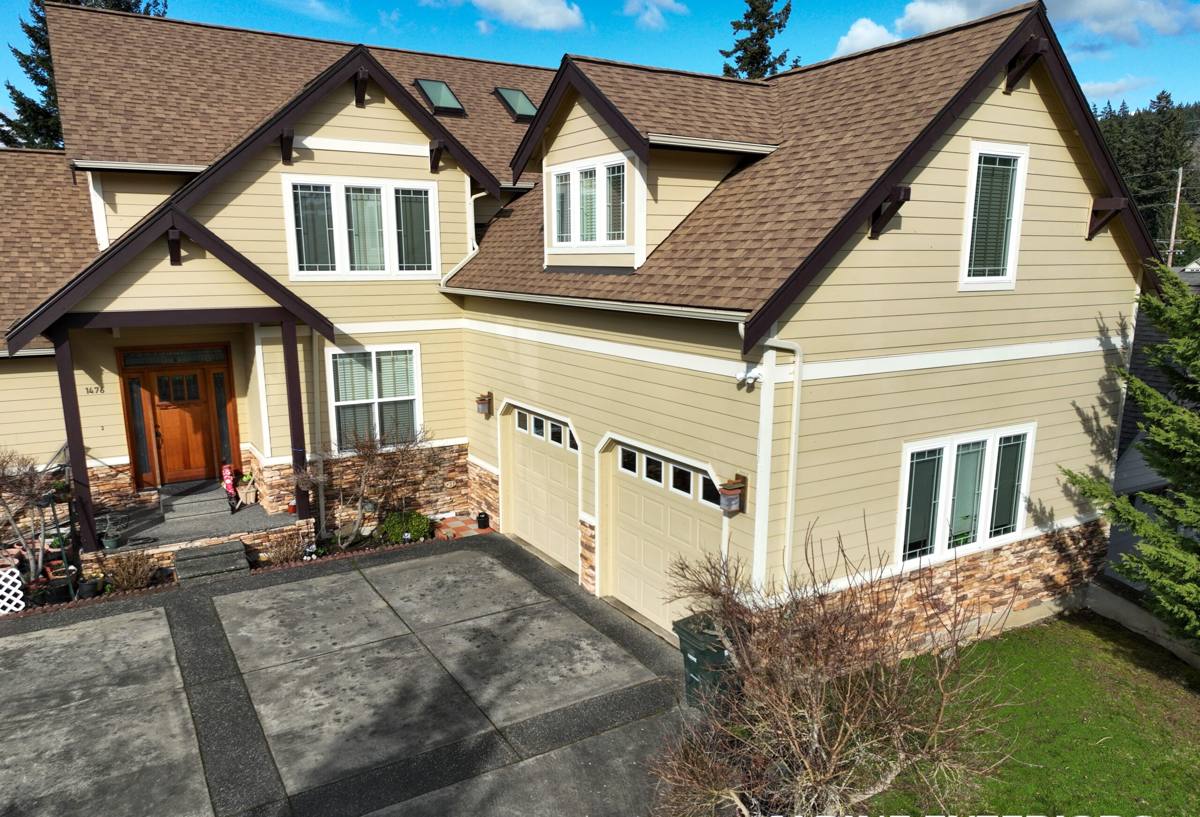
What Salt Air, Driving Rain, and Moss Season Do to a Window Over Time
Salt Air and Hardware
Salt in the air doesn't just affect boats and railings. It settles on window frames, latches, hinges, and screen hardware, and it accelerates corrosion on anything that isn't rated for coastal exposure. Cheaper aluminum components, unprotected steel fasteners, and low-grade hardware finishes are the first things to fail — locks get stiff, cranks seize, and finishes pit and discolor years before they should.
Driving Rain and Water Intrusion
Wind off the water pushes rain sideways into window openings instead of letting it run straight down the glass. That means the flashing and sealant details around a window matter more here than in a sheltered inland yard. A window that would perform fine in a calm setting can still leak on Lummi Island if the flashing, sill pan, and house wrap integration aren't done correctly — the glass and frame are rarely the actual failure point; the surrounding installation usually is.
Moss Season and Shaded, Damp Walls
Whatcom County's long wet season, combined with the tree cover common on the island, keeps shaded exterior walls damp for extended stretches. That moisture doesn't just grow moss on roofs and siding — it also keeps humidity high right at the window opening, which is exactly the condition that causes trim rot, sill decay, and interior condensation if a window isn't sealed and insulated properly.
What "Energy-Efficient" Should Actually Mean for an Island Home
"Energy-efficient" gets used loosely in this industry. For a Lummi Island home, it should mean three specific things working together — the glass, the frame, and the installation — not just one upgraded component.
Glass Package
Low-E coatings and argon or krypton gas fills reduce heat transfer through the glass, which helps with both winter heat loss and the heat gain the island gets on clear summer days. For this climate, we also weigh the glass package against condensation resistance — a window that stays warmer on the interior surface during cold, damp stretches resists fogging and moisture buildup better than a bargain double-pane unit.
Frame Material
Frame choice matters as much as glass out here because the frame is what's directly exposed to salt air and driving rain year-round. We steer homeowners toward frame materials and finishes with proven corrosion resistance and low maintenance needs in marine conditions, and we're upfront when a product looks good on paper but has known trade-offs in coastal exposure — maintenance burden, moisture behavior at the joints, or a warranty that doesn't hold up well to salt exposure.
Air Sealing and Installation Quality
A high-efficiency window installed with a poor air seal performs like a mediocre window. Proper foam or backer-rod sealing around the frame, correct shimming so the sash operates true, and full integration with the wall's weather-resistive barrier are what actually deliver the energy savings the glass and frame are rated for.
Frame Material Comparison for Marine Exposure
Every frame material has trade-offs. Here's how the common options generally hold up under the salt air, wind, and moisture Lummi Island homes see:
| Frame Material | Coastal Durability | Maintenance | Typical Trade-Off |
|---|---|---|---|
| Vinyl | Good — won't corrode or rot | Low | Can expand/contract with temperature swings; quality varies widely by manufacturer |
| Fiberglass | Very good — stable and corrosion-resistant | Low | Higher upfront cost than vinyl |
| Wood / Wood-clad | Fair — cladding protects wood, but any breach invites rot | Higher | Needs vigilant sealing and inspection in this climate; we're cautious about it on exposed elevations |
| Aluminum (uncoated or low-grade) | Poor in salt air | Moderate to high | Prone to pitting and corrosion of hardware and finish over time |
This is a general guide, not a rule for every wall of every house — a sheltered, east-facing window sees far less punishment than one facing open water or prevailing wind. We look at each elevation separately before recommending a product.
What a Correct Installation Actually Involves
Replacing a window is straightforward in concept; doing it correctly on a wind- and rain-exposed island wall takes more care at each step:
- Remove the old unit and inspect the rough opening for hidden rot, especially at the sill — this is the single most common surprise on older island homes.
- Repair or rebuild any compromised framing before the new window goes in. Installing a new window into a soft or wet opening just hides a bigger problem.
- Install a proper sill pan to direct any water that gets past the window back outside instead of into the wall.
- Flash the opening so it integrates correctly with the existing house wrap or weather barrier, with the layering sequenced so water always sheds outward.
- Set the window plumb, level, and square, then shim and fasten per the manufacturer's specification.
- Seal and insulate the gap between the frame and the rough opening — not overpacked, not left empty.
- Finish exterior trim and caulking with sealants rated for continuous marine and UV exposure.
Our Process for Lummi Island Jobs
Working on an island reachable only by ferry changes how a job needs to be planned, and we build that into our process rather than treating it as an afterthought.
One Trip, Fully Prepared
We confirm exact window sizes, hardware, and materials before we schedule a crossing, so a crew isn't stuck waiting on a part or making a second ferry trip mid-job. Weather windows matter too — we watch the forecast for wind and rain before locking in an install date, since driving rain during an open-wall installation is a real risk we plan around, not one we take chances on.
Permitting
Window replacement work on Lummi Island falls under Whatcom County jurisdiction. We handle the permitting conversation up front so there are no surprises partway through the project.
Respecting the Realities of Island Access
Deliveries, disposal of old units and debris, and crew scheduling all take extra coordination compared to a mainland Ferndale job. We factor that into our timeline estimates from the start instead of letting it become a mid-project delay.
Typical Cost Factors
Costs vary by window size, frame material, glass package, and how much of the surrounding structure needs repair. These are the factors that move the number most:
| Factor | Why It Matters |
|---|---|
| Frame material | Fiberglass and quality vinyl cost more upfront than budget aluminum, but hold up longer in salt air |
| Rough opening condition | Hidden rot or moisture damage found at removal adds repair time before the new window can go in |
| Glass package | Higher-performance Low-E and gas-fill combinations cost more but reduce condensation and energy loss |
| Number of windows and elevations | Bundling multiple windows in one visit reduces per-unit labor and travel cost, especially given the ferry trip |
| Access and site conditions | Second-story or hard-to-reach openings take more setup time |
We give a written, itemized quote before any work starts — no vague allowances, so you know exactly what you're paying for and why.
Signs Your Current Windows Are Costing You Money
Homeowners on the island often live with underperforming windows longer than they should because the problems show up gradually. Watch for:
- Fogging or moisture between the panes of a double-pane window — the seal has failed and the insulating gas is gone
- Stiff cranks, latches, or locks, especially on windows facing open water
- Visible pitting, chalking, or corrosion on metal hardware or frames
- Soft or discolored trim and sill wood around the window opening
- Noticeable draft or cold spots near the window in winter
- A rise in heating costs without any other explanation
- Moss or dark staining building up on the wall directly around a window
Any one of these on its own isn't an emergency, but a few together usually means the window and its installation are past the point where they're doing their job.
Why Hire a Crew That Already Works Lummi Island
A contractor who only occasionally crosses to the island tends to plan a job the same way they'd plan a mainland job — and then gets caught by ferry schedules, weather delays, or a rough opening that's wetter than expected. A crew that regularly works Lummi Island homes builds the crossing, the weather watch, and the marine exposure into the plan from day one, which means fewer surprises, fewer callbacks, and a job that's actually specced for the conditions the window will live in — not a generic install dropped into a coastal setting and hoped for the best.
If you're weighing whether your current windows are still doing their job, or you're ready to replace a few or all of them, we're happy to take a look and give you a straightforward, no-pressure estimate. Use the form below to get started.