 Ferndale
 Energy-Efficient Windows, Installed by a Crew That Already Works Lynden
Lynden sits inland from the coast but still gets the full range of what Whatcom County weather throws at a house — cold, wet winters, damp shoulder seasons that stretch on for months, and enough wind-driven rain to test every seam around a window opening. Homeowners here don't need windows that just look good in a showroom. They need windows and installation details that keep water out, keep heat in, and hold up through a moss season that can run from October into May.
We're a Ferndale-based siding and exterior crew that works window replacement jobs throughout the area, including Lynden. This page covers what that job actually involves here — not a national manufacturer's marketing copy, but what we look at, what we install, and why the installation matters as much as the window itself.
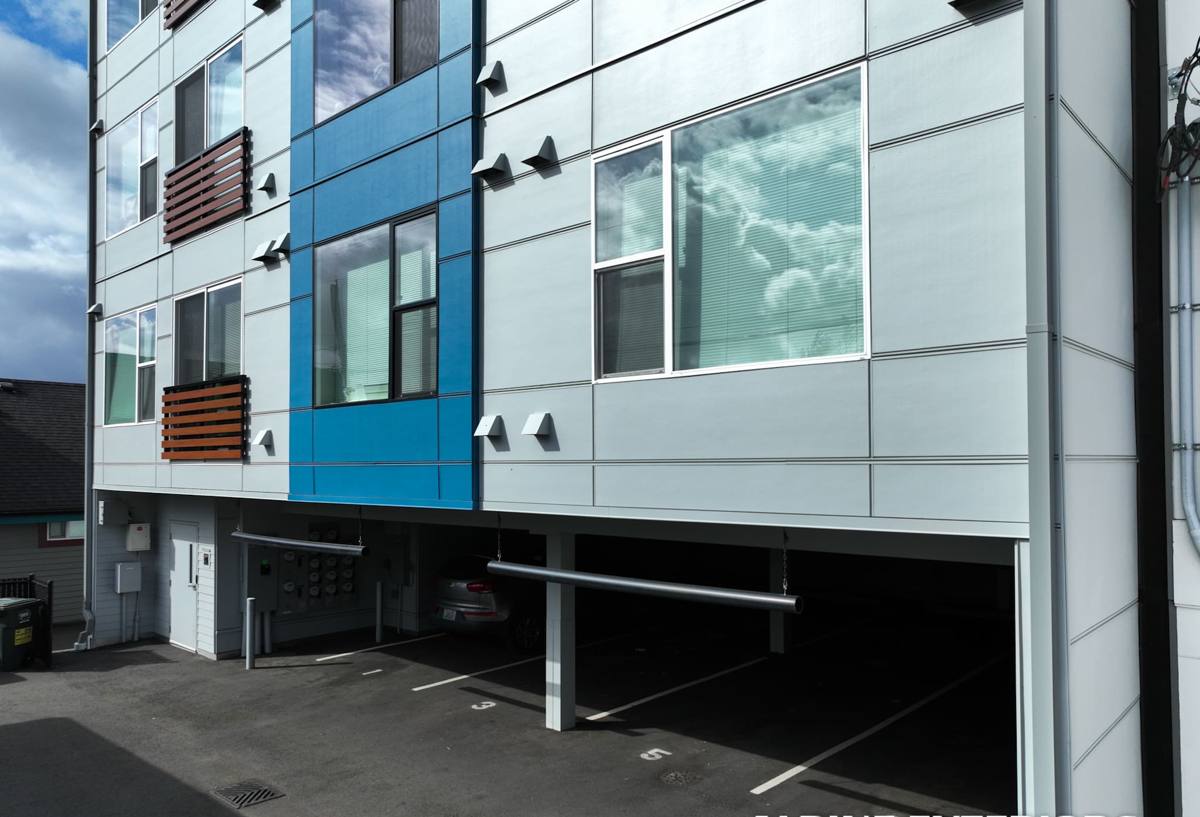
What Whatcom County Weather Does to Windows
A window is a system: glass, frame, flashing, sealant, and the connection to the wall around it. In this climate, most window failures aren't the glass — they're the installation. A few things we see repeatedly on older Lynden and Ferndale homes:
- Failed or missing flashing lets wind-driven rain track behind the trim and into the wall cavity, often for years before it shows up as staining or soft wood.
- Old aluminum-frame windows conduct cold straight through the frame, which is why they fog, sweat, and feel drafty even when the glass itself is intact.
- Failed seals on older dual-pane units show up as fog or haze between the panes — once that seal is gone, the insulating gas is gone too, and the window is just two sheets of glass at that point.
- Moss and organic buildup around sills and lower corners holds moisture against wood trim through the long wet season, accelerating rot in spots that don't get sun or airflow.
None of that is unique to Lynden, but the combination of steady rainfall, long moss season, and salt-tinged air moving in off the Strait and Bellingham Bay means these issues show up sooner here than they would in a drier climate.
What "Energy-Efficient" Actually Means for This Climate
Energy-efficient windows get sold on a lot of numbers. The two that matter most for a Whatcom County home are:
U-Factor (how much heat escapes)
Lower is better. This is the number that determines how much of your heating bill is leaking out through the glass and frame on a cold, wet January night. In our climate zone, a low U-factor pays for itself faster than in milder parts of the country because the heating season is long.
Solar Heat Gain Coefficient (SHGC)
This measures how much solar heat passes through the glass. Western Washington doesn't get the harsh summer sun that drives SHGC decisions in other regions, so we typically prioritize a good U-factor and solid air sealing over aggressive solar control — though orientation matters, and we'll talk through it room by room during the estimate.
Frame material
Vinyl and fiberglass frames both outperform aluminum for insulation and don't require repainting. Between the two, fiberglass holds up slightly better under repeated wet-dry cycling over decades, while vinyl is the more budget-friendly option and performs well when installed correctly. We'll talk through the real trade-offs for your home rather than push one brand.
| Factor | Why it matters in Lynden | What to ask about |
|---|---|---|
| U-Factor | Long, cold, wet heating season | Lower number = less heat loss |
| Frame material | Constant moisture exposure, temperature swings | Vinyl vs. fiberglass trade-offs, not just price |
| Flashing detail | Wind-driven rain is routine, not rare | How the installer integrates flashing with existing siding/house wrap |
| Glass package | Moisture and mild salt air over time | Warranty coverage on seal failure |
| Sill/trim finish | Long moss season holds moisture against wood | Whether trim is sealed, capped, or left exposed |
How We Approach a Window Job in Lynden
1. Assessment before anything is ordered
We look at every opening from both sides — interior trim condition and exterior flashing/siding condition — before we order a single window. If there's hidden rot or a flashing problem behind the trim, we'd rather find it now than after the new window is in.
2. Full removal and inspection of the opening
We don't just pop a new window into an old frame (a "pocket" or insert install) unless the existing frame and flashing are genuinely sound. In this climate, that's often not the case. A full-frame replacement lets us inspect and correct the sheathing, house wrap, and flashing underneath — the parts you never see again once the trim goes back on.
3. Proper flashing and water management
This is the step that determines whether a window lasts 25 years or leaks in year three. We integrate new flashing with the existing weather-resistive barrier using a shingled, lapped approach so water is always directed outward and down, never trapped behind the wall.
4. Air sealing, not just caulk
Low-expansion foam and proper backer rod around the frame perimeter reduce drafts far more effectively than a bead of exterior caulk alone. This is a big part of where the actual energy savings come from — more than the glass package itself in a lot of cases.
5. Finish work that resists moss and moisture
Sills and trim get finished so water sheds away from the house rather than pooling, and materials are chosen with the long wet season in mind.
Signs a Lynden Home Is Ready for Window Replacement
- Condensation or fog between the panes of a dual-pane window
- Visible drafts near the frame, even with the window latched shut
- Wood trim that's soft, discolored, or holding moss at the sill
- Windows that are hard to open, close, or lock — frames have shifted or swollen
- A noticeable difference in comfort near windows compared to the rest of the room
- Rising heating bills without a clear cause elsewhere in the home
Any one of these is worth a look. Several together usually means the flashing or frame — not just the glass — needs attention.
Windows and Siding: Why We Handle Both
Window flashing ties directly into the siding and house wrap around it. When window replacement and siding work are handled by separate crews on separate schedules, that transition is where problems creep in — a flashing detail one contractor assumes the other one is handling. Because we do both, the window opening and the surrounding siding get treated as one continuous water-management system, which matters a great deal in a climate that sees this much sustained rain.
Working with an Established Local Crew
Anyone can sell a window. Fewer contractors can install one correctly in a climate that punishes shortcuts. When you're vetting a crew for this kind of work, it's worth asking:
- Do they do full-frame replacement when the opening calls for it, or install-only inserts every time?
- Can they describe their flashing method in plain terms, not just "we seal it up good"?
- Do they carry manufacturer certification for the window lines they install?
- Are they licensed and insured to work in Washington, and will they show you proof without being asked twice?
- Do they warranty their installation labor separately from the manufacturer's product warranty?
We're based in Ferndale and work Lynden regularly enough to know the kinds of homes, ages of construction, and common trouble spots in this part of Whatcom County. That familiarity shows up in faster, more accurate assessments and fewer surprises once the trim comes off.
What the Process Looks Like
- Walkthrough and assessment — we look at every window you're considering replacing, inside and out.
- Straight recommendation — which openings need full-frame replacement, which can be handled with an insert, and why.
- Written estimate — clear pricing, no pressure to decide on the spot.
- Scheduled install — most homes are done in phases per opening, so your home isn't fully exposed to the weather at once.
- Final check — operation, seal, and finish trim reviewed with you before we consider the job done.
Get a Straight Answer on Your Windows
If your windows are drafty, fogging, or just old enough that you're wondering, we're glad to take a look and give you an honest read on what's actually needed — no pressure, no upsell on windows that don't need replacing. Request a free estimate using the form below, and we'll set up a time to walk the property with you.