 Ferndale
 New Roof Installation for Nooksack Homes
Nooksack sits inland from the marine air that rolls off Bellingham Bay and the Strait of Georgia, but the same weather pattern that shapes the rest of Whatcom County still reaches it: wet winters, a long shoulder season of drizzle, and enough tree cover in the surrounding valley to keep roofs shaded and damp for weeks at a stretch. A roof out here isn't just shedding rain a few times a year — it's managing near-constant moisture exposure for eight or nine months, with the Nooksack River valley adding its own fog and humidity on top of the county-wide pattern. When a roof is nearing the end of its life in this kind of climate, the difference between a correctly installed replacement and a rushed one shows up fast, usually as moss, soft decking, or leaks at the flashing within the first couple of winters.
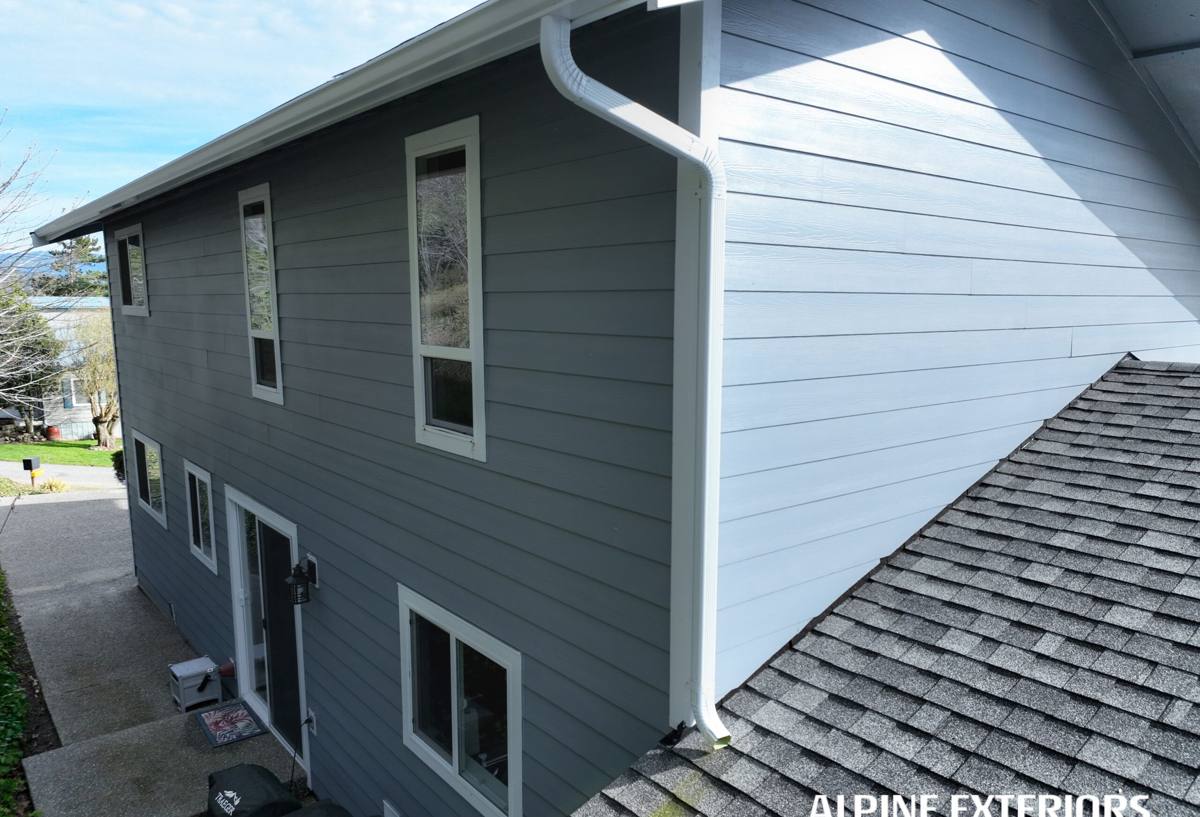
What Nooksack's Climate Actually Does to a Roof
Three things drive most of the roofing problems we see out this way, and they're worth understanding before you replace anything, because they should shape the choices your contractor makes.
Driving Rain and Wind-Driven Moisture
Whatcom County storms don't always come straight down. Wind off the strait pushes rain sideways under eaves, into vents, and up under shingle tabs and flashing edges that weren't sealed with that in mind. A roof built for a drier climate — with minimal underlayment or loosely detailed flashing — will hold up fine in a light rain and fail exactly where it matters in a real windstorm.
Salt Air
Nooksack is far enough inland that salt exposure is lighter than it is right on the water, but the air still carries it, and it accelerates corrosion on exposed metal — nails, flashing, vents, and fasteners. Roofing hardware rated for salt exposure lasts noticeably longer here than standard-grade hardware, and it's a small cost difference at install time versus a real one if fasteners start failing early.
Moss and Sustained Shade
Between tree cover and the number of overcast, damp days each year, moss finds a foothold on almost any roof in this area that isn't actively managed. Moss isn't just cosmetic — it holds moisture against the roofing material, works its way under shingle edges as it grows, and can lift material enough to let water in. A roof designed with moss in mind (material choice, slope detailing, and metal strips at ridges) needs far less maintenance over its life than one that wasn't.
Signs Your Nooksack Home Needs a New Roof, Not Another Repair
Not every roofing problem calls for full replacement, but a few signs usually mean patch-and-repair has stopped making financial sense:
- Shingles that are curling, cracking, or losing granules across large sections rather than one isolated spot
- Moss or dark streaking covering more than a small portion of the roof, especially on north-facing slopes
- Soft or spongy decking felt underfoot during a routine inspection
- Daylight visible through the roof deck from inside the attic
- Repeated leaks in different locations after previous repairs
- A roof that's at or past the manufacturer's expected service life for its material and local exposure
- Visible sagging along the ridge line or between rafters
If you're only seeing one or two of these, a repair may still be the right call. If you're seeing several at once, replacement is usually the more cost-effective path — repeated repairs on an aging roof add up quickly and rarely address the underlying decking or ventilation issues.
What a Correct Installation Actually Involves
A new roof is more than laying down new shingles over what's there. Done right, it's a full system, and skipping steps is exactly how a roof that looks fine on install day starts leaking two winters later.
Tear-Off and Deck Inspection
We remove the existing roofing down to the deck rather than layering over it. That's the only way to actually see the condition of the sheathing underneath — soft, delaminated, or rotted decking has to be replaced before anything new goes down, and you can't know it's there without pulling the old material off first.
Underlayment
Given how much sustained rain this area gets, we don't treat underlayment as an afterthought. A synthetic or ice-and-water underlayment at eaves, valleys, and penetrations gives the roof a real second line of defense if wind-driven rain gets past the primary roofing material.
Flashing
Flashing around chimneys, skylights, vent pipes, and roof-to-wall transitions is where most leaks actually start — not in the open field of shingles. New flashing, properly lapped and sealed, matters more to long-term watertightness than almost any other single detail on the job.
Ventilation
A roof that can't breathe traps moisture in the attic, which shortens the life of the decking and the roofing material from underneath. We check that intake and exhaust venting are balanced as part of every replacement, not just the visible roofing on top.
Moss Prevention Details
Zinc or copper strips near the ridge, proper slope and drainage detailing, and material selection all reduce how aggressively moss establishes itself. None of this eliminates the need for periodic roof cleaning, but it meaningfully slows regrowth compared to a roof installed without those details.
Roofing Material Options
Material choice depends on budget, the home's style, and how much long-term maintenance you want to take on. Here's how the common options compare for a climate like Nooksack's:
| Material | Typical Lifespan | Moss Resistance | Maintenance Level |
|---|---|---|---|
| Architectural asphalt shingle | 25–30 years | Moderate (better with zinc strips) | Low to moderate |
| 3-tab asphalt shingle | 15–20 years | Lower | Moderate |
| Metal (standing seam or panel) | 40–60 years | High | Low |
| Composite/synthetic shake | 30–50 years | High | Low |
| Cedar shake | 20–30 years | Lower without upkeep | High |
Architectural asphalt shingles remain the most common choice for good reason — solid performance, a reasonable price point, and a wide range of colors. Metal roofing costs more up front but sheds moss and debris more effectively and needs the least attention over its life, which some Nooksack homeowners find worth the investment given the tree cover in the area. We'll walk through the honest trade-offs for your specific roof rather than push one product across the board.
Our Installation Process
- Inspection and estimate. We look at the current roof, attic ventilation, and any problem areas, and give you a straightforward written estimate — no pressure, no inflated scope.
- Material selection. We go over options that fit your budget and the home, including how each performs against local moss and rain exposure.
- Scheduling around weather. Roofing needs a dry window, so we plan installation dates with Whatcom County's forecast in mind rather than committing to a date that risks a rushed, rain-exposed tear-off.
- Tear-off and deck repair. Old material comes off, the deck gets inspected, and any damaged sheathing is replaced before we move forward.
- Underlayment and flashing installation. This is the step that determines how the roof performs in a real storm, and we don't shortcut it.
- New roofing installation. Material goes down per manufacturer specification, including proper nailing patterns and exposure — details that affect both performance and warranty coverage.
- Ridge, vents, and moss-prevention details. Ridge caps, ventilation, and zinc or copper strips are installed as part of the system, not tacked on afterward.
- Cleanup and final walkthrough. We clear debris, check for stray nails around the property, and walk the finished roof with you before calling the job done.
What Affects the Cost of a New Roof
| Factor | Why It Matters |
|---|---|
| Roof size and pitch | Larger, steeper roofs take more material and more labor time and safety precaution |
| Number of layers to remove | Tearing off multiple old layers adds disposal cost and labor |
| Deck condition | Rotted or soft sheathing requires replacement before new roofing goes down |
| Material choice | Asphalt, metal, and composite options span a wide price range |
| Roof complexity | Valleys, dormers, chimneys, and skylights all add flashing work |
| Ventilation upgrades | Bringing intake/exhaust venting up to spec may add scope |
We won't give a number over the phone before seeing the roof — anyone who does is guessing, and that guess tends to grow once the crew is actually up there. A proper estimate comes after a real inspection.
Why Hire a Crew That Already Works in Nooksack
Roofing crews that mostly work drier inland climates or dense urban areas don't always build in the margin this area needs — extra underlayment at valleys, salt-tolerant fasteners, moss-prevention detailing at the ridge. A crew that regularly works Whatcom County roofs has already seen which details matter here and which corners cause callbacks two winters later. That local pattern recognition is worth more than it sounds like on paper: it's the difference between a roof that just looks finished and one that's actually built for what Nooksack weather does to it year after year.
It also matters for scheduling. Roofing needs a real dry window to install correctly, and a crew familiar with this area's rain patterns plans around that rather than gambling on a forecast and rushing the job to beat incoming weather.
Caring for Your New Roof
A correctly installed roof still benefits from basic upkeep, especially in a moss-prone area:
- Keep gutters clear so water isn't backing up under the eave edge
- Trim back overhanging branches to reduce shade and debris buildup
- Have moss growth addressed before it spreads, rather than after it's established
- Schedule a walk-through inspection every couple of years, particularly after a hard winter
- Address any flashing or sealant issues promptly rather than waiting for a leak
None of this is heavy maintenance — it's mostly staying ahead of small issues so they don't turn into deck damage or interior leaks.
If your roof is showing its age, we're happy to take a look and give you a straightforward, no-pressure estimate for a new roof installation built for what Nooksack winters actually put a roof through. Fill out the form below to get started.