 Ferndale
 Why Point Roberts Siding Takes a Different Kind of Beating
Point Roberts is unlike anywhere else in Whatcom County. It sits on a small peninsula cut off from the rest of the mainland United States by the Canadian border, with water on three sides. That geography means homes here take on wind, salt air, and rain in a way that inland Ferndale properties simply don't experience. A gust that barely registers a mile inland can drive rain sideways into a wall assembly on a point that faces open water.
Salt-laden air is the first issue. It settles on painted and caulked surfaces, accelerates the breakdown of sealants, and speeds up corrosion on fasteners and trim that aren't rated for it. The second issue is driving rain — wind-blown moisture finds its way into every unsealed seam, nail hole, and trim gap, and it does it more often here than almost anywhere else in the county. The third is moss. Point Roberts shares the long, wet Pacific Northwest shoulder seasons with the rest of Whatcom County, and shaded or north-facing walls can stay damp for weeks at a stretch, giving moss and algae plenty of time to take hold and hold moisture directly against the siding.
None of that means siding here is doomed — it means repairs have to account for exposure that a generic patch job ignores.
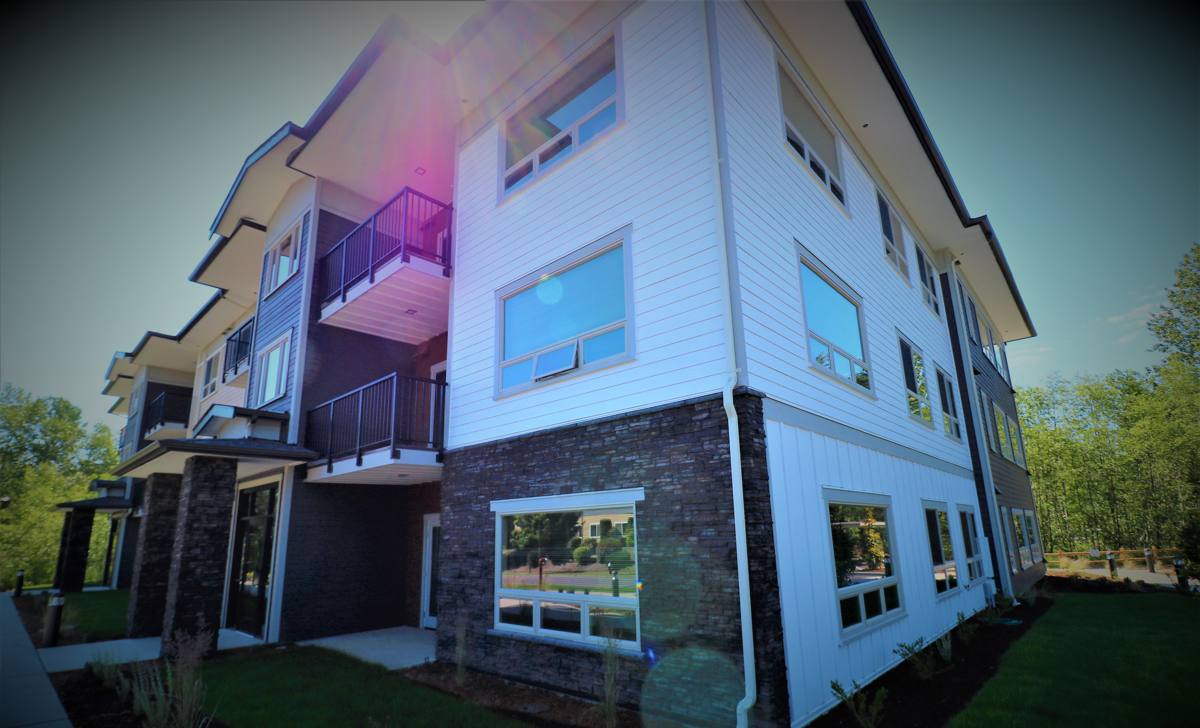
The Repair Issues We See Most Often in Point Roberts
Most siding repair calls in this area fall into a handful of categories:
- Caulk failure at trim boards, corner posts, and butt joints — usually the first thing to give out under repeated salt and UV exposure
- Paint failure or bubbling in isolated spots, often a sign that moisture is already behind the surface rather than just on top of it
- Swelling or soft spots at cut edges that were never sealed during a prior installation, which show up faster here than in drier parts of the county
- Cracked or impact-damaged panels from storm debris or wind-driven branches
- Hidden rot behind failed flashing around windows, doors, and roof-to-wall transitions
- Moss and algae buildup on shaded elevations that keeps siding damp long after a storm has passed
The common thread is that Point Roberts' exposure doesn't create new failure modes — it just accelerates the ordinary ones and makes small oversights show up years sooner than they would elsewhere.
Repair or Replace? How We Make That Call
Not every damaged section needs to come off the wall. But not every problem should be patched, either. We look at a handful of factors before recommending one over the other:
| Factor | Points Toward Repair | Points Toward Replacement |
|---|---|---|
| Extent of moisture damage | Isolated, surface-level, caught early | Spread across multiple panels or into sheathing |
| Age of existing siding | Newer material, still under warranty | Near end of expected service life |
| Original material | Correctly installed James Hardie | Product not rated for this exposure, or installed without proper sealing |
| Underlying cause | Isolated flashing or caulk failure, fixable | Systemic issue affecting the whole wall assembly |
| Cosmetic match | Color and profile still available to match | Discontinued color or profile, patch would stand out permanently |
We'll always tell you honestly which side of that table your home falls on before we recommend a scope of work — a repair that's going to fail again in two years isn't a favor to anyone.
What a Correct Siding Repair Actually Involves
Sealing Cut Edges
Every time a fiber cement panel is cut or trimmed, that new edge needs to be sealed according to the manufacturer's specification. It's an easy step to skip and an easy one to notice later — an unsealed cut edge is usually where swelling and paint failure show up first, and in a wind-and-salt exposure like Point Roberts, it happens faster than almost anywhere else we work.
Matching the ColorPlus Finish
James Hardie's factory ColorPlus finish is baked on and color-matched at the factory, which makes it more durable than field-applied paint — but it also means a repair has to account for finish availability. Depending on the age of your siding and whether the original color is still in production, we'll either match the existing course precisely or explain honestly where a seam will be visible, rather than promising an invisible patch we can't deliver.
Getting the Water Path Right
A repair that only replaces the damaged board without correcting the flashing, house wrap, or trim detail that let water in behind it is a repair that will fail again. Every job we do starts with figuring out how water actually got to the damage — not just covering the symptom.
Fasteners and Hardware
Given how much salt air this area sees, we use fasteners and trim hardware rated to hold up to it. Standard hardware that's fine on an inland Ferndale home can start corroding noticeably faster on a Point Roberts exterior.
Our Point Roberts Siding Repair Process
- Inspection. We walk the exterior, check the elevations that take the worst weather, and look past the visible damage for signs of moisture behind it.
- Diagnosis. We identify the actual cause — failed caulk, bad flashing, an unsealed cut edge, impact damage — before we talk about a fix.
- Scope and estimate. We tell you plainly whether this is a repair or whether a section needs full replacement, and why.
- Material sourcing. We source matching James Hardie panels and trim in the correct profile and, where possible, the correct ColorPlus color.
- Repair work. Damaged material comes out, the underlying cause gets corrected, and new material goes in sealed and fastened to manufacturer spec.
- Final check. We walk it with you before we call it done.
Why We Only Repair and Install James Hardie Fiber Cement
We install and repair James Hardie exclusively — no vinyl, no LP SmartSide, no primed spruce or cedar. For a climate like this one, that's not a brand preference, it's a practical one. Hardie's HZ5 product line is engineered for exactly the kind of wind-driven rain and moisture cycling that Point Roberts sees regularly, and it's non-combustible, which matters on any property surrounded by dry brush in summer. The factory-applied ColorPlus finish holds color and resists the chalking and fading that salt air and UV cause faster in field-painted materials.
When we're called out for a repair on a home that already has Hardie siding installed correctly, the fix is usually straightforward — matching material, matching finish, correcting whatever let water in. When a home has a different product that's struggling in this exposure, we'll be honest about what's driving the failure and what a durable long-term fix looks like, whether that's a targeted repair now or planning ahead for a Hardie replacement down the road.
Why Hiring a Crew That Already Works in Point Roberts Matters
Point Roberts isn't like scheduling a job in downtown Ferndale. Because it's separated from the rest of Whatcom County by the Canadian border, getting a crew and materials there takes planning that a lot of contractors based elsewhere simply haven't accounted for — border crossing logistics, delivery timing, and knowing the drive well enough that a scheduled repair doesn't turn into a wasted trip.
Beyond logistics, there's real value in a crew that's already seen how specific properties here take weather. Which elevations catch the worst of the wind off the water, which walls stay damp longest into moss season, where salt spray does the most damage to trim and fasteners — that's the kind of thing you only learn by actually working the area repeatedly, not by showing up once.
Signs Your Siding Needs a Professional Look
- Soft or spongy spots when you press on the siding
- Paint peeling, bubbling, or discoloring in one isolated area
- Moss or algae buildup that keeps coming back after cleaning
- Dark staining or streaking near seams, corners, or trim
- Cracked, missing, or shrinking caulk at joints and trim boards
- Visible gaps around window and door trim
- A musty smell near an exterior wall from the inside
Catching any of these early is almost always the difference between a straightforward repair and a much bigger project once moisture has had time to spread.
If you're seeing any of these signs on your Point Roberts home, or you just want an honest read on what shape your siding is in, we're happy to take a look. Fill out the form below for a free, no-pressure estimate.