 Ferndale
 Siding Replacement Built for the Nooksack Area's Climate
Homes in and around Nooksack sit in one of the more demanding stretches of Whatcom County for exterior materials. You're close enough to Bellingham Bay and the Strait of Georgia to pick up salt-laden air, tucked into a river valley that holds humidity and fog longer than open ground, and shaded by the fir and cedar cover that makes this part of Washington beautiful — and keeps moss thriving on anything that stays damp. Add the Pacific Northwest's driving, wind-pushed rain, and you have a combination that punishes siding installed without real attention to water management and material choice.
This page is about one job, done right, in one area: replacing siding on a Nooksack-area home. Not a general overview of siding options, not a sales pitch — a straight explanation of what your house actually needs, what a correct replacement looks like, and why the crew you hire matters as much as the material.
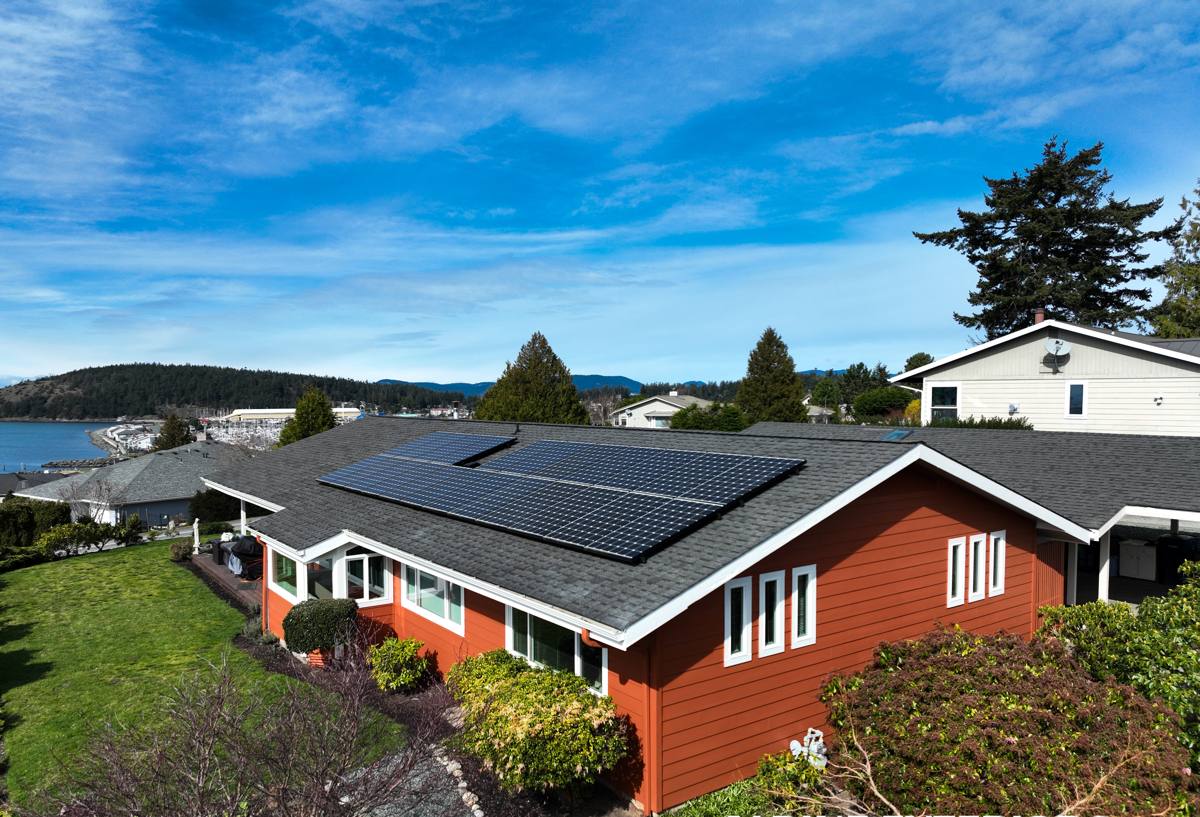
What Salt Air, Rain, and Moss Actually Do to Siding
It helps to understand the specific ways this climate attacks a wall system, because it explains almost every decision in a good siding replacement.
Salt Air
Airborne salt is corrosive to exposed metal — nails, screws, flashing, and trim fasteners — and it accelerates the breakdown of finishes that aren't formulated to resist it. Over years, a house finished with the wrong combination of materials and hardware can show fastener corrosion and finish failure well before the siding itself would otherwise need replacing.
Driving Rain
Whatcom County doesn't just get rain, it gets wind-driven rain that hits walls at an angle instead of falling straight down. That means water gets forced sideways into laps, joints, and penetrations that would stay dry in a calmer climate. A siding system is only as good as its water-resistive barrier, flashing details, and lap geometry — the visible siding is the last line of defense, not the only one.
Moss and Sustained Moisture
Shaded north and east-facing walls near tree lines hold moisture longer, and moss and algae take hold wherever siding stays damp for extended stretches. On materials that absorb water or that trap moisture behind them, this isn't just cosmetic — sustained dampness is what drives rot, delamination, and paint failure over time.
Signs a Nooksack-Area Home Needs Siding Replacement
Not every siding problem calls for full replacement, but these are the signs worth taking seriously in this climate:
- Soft or spongy spots when you press on the siding, especially near the bottom courses or around windows and doors
- Visible cracking, buckling, or warping — often worse on walls that face prevailing wind and rain
- Paint that's peeling or bubbling repeatedly in the same spots, which usually points to moisture trapped behind the surface, not just an old paint job
- Persistent moss or algae growth that comes back within a season of cleaning
- Visible gaps, separated seams, or fastener heads working loose over time
- Rot at butt joints, corners, or anywhere siding meets trim, flashing, or the foundation
- Rising energy bills with no other explanation, which can indicate water-damaged sheathing or insulation behind the siding
Any one of these on its own might be a repair. Several at once, or rot found in more than one location, usually means the underlying water management has failed and a full replacement is the honest recommendation.
What a Correct Siding Replacement Actually Involves
Siding replacement isn't just removing old boards and nailing up new ones. In a climate that pushes rain sideways and holds moisture in the air for weeks at a time, the work that happens before the finished siding goes up is what determines whether the job lasts.
Full Tear-Off and Inspection
Removing the old siding down to the sheathing lets us see what's actually happening behind it — rot, mold, damaged sheathing, or evidence of a water-resistive barrier that failed years ago. Skipping this step means covering up problems instead of fixing them.
Sheathing Repair
Any sheathing that's soft, delaminated, or rotted gets replaced before anything else happens. Siding installed over compromised sheathing has nothing solid to hold it, no matter how good the siding itself is.
Water-Resistive Barrier
A correctly lapped weather-resistive barrier, installed shingle-style so every seam sheds water downward and outward, is the real waterproofing layer on the wall. This matters more here than in drier parts of the state, because it's the barrier — not the siding face — that has to hold up against sustained, wind-driven rain.
Flashing at Every Penetration
Windows, doors, hose bibs, light fixtures, vents — every penetration through the wall is a place water can get behind the siding if it isn't flashed correctly. This is where most siding failures we see actually start, and it's the detail that separates a careful installation from a fast one.
Correct Fastening and Clearances
Fastener type, spacing, and depth all matter, especially with corrosion-resistant hardware given the salt air in this area. Ground clearance and clearance from roof lines, decks, and patios also matter — siding installed too close to grade or to a horizontal surface stays wet longer and fails faster, regardless of the material.
Why This Crew Installs Only James Hardie Fiber Cement
We don't install vinyl, LP SmartSide, primed spruce, cedar, or other fiber cement brands. That's a standard we hold across every job, including in Nooksack, and it's worth explaining why.
Vinyl siding can crack in freeze-thaw conditions and warp or fade with UV exposure over time, and it isn't a fire-resistant material. Wood-based products like LP SmartSide and primed spruce use engineered or treated wood substrates that are more moisture-sensitive than fiber cement — in a climate with this much sustained dampness and moss pressure, that's a real long-term liability, not a theoretical one. Cedar is a beautiful, genuinely traditional Pacific Northwest material, but it requires ongoing maintenance — staining, sealing, and moisture vigilance — that most homeowners underestimate when they choose it.
James Hardie fiber cement is non-combustible, dimensionally stable in wet climates, and holds a factory-applied ColorPlus finish that's baked on rather than field-painted, which matters directly for salt-air exposure and UV fading. Hardie also engineers specific product lines for different climate zones (HZ5 for the Pacific Northwest's wet, cooler conditions), which means the product is matched to exactly the kind of weather Nooksack sees. We stand behind the installation and the manufacturer's transferable warranty because we control every variable in the process — one product system, installed the same correct way, every time.
Our Process, Start to Finish
- Walkthrough and assessment — we look at your current siding, check for rot and moisture damage, and talk through what we're seeing before recommending anything.
- Written estimate — a clear scope of work and pricing, no pressure, no surprise add-ons hidden in fine print.
- Tear-off and sheathing repair — full removal of old siding, with any damaged sheathing replaced before we move forward.
- Water-resistive barrier and flashing — installed to shed water correctly at every seam, corner, and penetration.
- James Hardie installation — installed to manufacturer specification for fastening, clearance, and lap detail, which is also what keeps the warranty valid.
- Final walkthrough and cleanup — we review the finished work with you and leave the site clean.
Cost Factors for Siding Replacement in Nooksack
Every home is different, but these are the variables that most affect the scope and cost of a siding replacement in this area:
| Factor | Why It Matters Here |
|---|---|
| Extent of existing rot or sheathing damage | More common on north/east walls and shaded areas near tree lines where moisture lingers |
| Home size and wall complexity | More corners, penetrations, and trim details mean more flashing and labor time |
| Accessibility | Steep grades, mature landscaping, or limited driveway access can affect setup and staging |
| Siding profile and trim selection | Lap width, trim style, and accessory selection all affect material cost |
| Current condition of the water-resistive barrier | If it needs full replacement rather than a repair, that adds scope but is essential in a high-rainfall area |
We provide a written, itemized estimate after seeing the home in person — broad ranges without an inspection aren't useful to you and we'd rather not guess.
Why a Crew That Already Works in Nooksack Matters
Siding installation isn't a one-size-fits-all trade. A crew that regularly works Whatcom County's mix of coastal air, river-valley humidity, and heavy tree cover already knows which walls on a typical Nooksack-area home tend to need extra attention, how the local wind and rain patterns push water into a wall system, and what permitting and inspection expectations look like for this jurisdiction. That local familiarity shows up in the details — flashing choices, fastener selection, and where we spend extra time during tear-off — rather than in anything you'd notice from the curb until years later, when the difference between a correct install and a fast one becomes obvious.
Maintenance After Replacement
Even the right material installed correctly benefits from a little upkeep in this climate:
- Rinse siding periodically to remove salt residue and organic buildup, especially on shaded walls
- Keep gutters clear so water isn't overflowing directly onto siding below
- Trim back vegetation and tree limbs that keep walls shaded and damp
- Watch caulking and trim joints over time and have any gaps addressed before winter rains set in
- Address moss regrowth early with a gentle wash rather than letting it establish
James Hardie's factory finish reduces how often repainting is needed compared to field-painted materials, but it isn't zero-maintenance — no exterior product in this climate is.
If your Nooksack-area home is showing any of the signs above, or you're just planning ahead, we're happy to take a look and walk you through what we see — no pressure, no obligation. Reach out for a free estimate using the form below.