 Ferndale
 Deck Repair Built for Life Near the Water
Homes in and around Lummi Nation sit close to Puget Sound and the Nooksack River delta, which means decks here take a different kind of beating than decks ten miles inland. Salt-laden air, wind-driven rain off the water, and a long, damp moss season all work against wood and hardware in ways that show up as soft boards, loose railings, and corroded fasteners well before a deck's expected lifespan is up. We repair decks throughout this area regularly, and the patterns are consistent enough that we can usually tell you what's going on with a deck before we've even pulled a board.
This page is about deck repair specifically — not new construction, not general handyman work. If your deck has visible damage, feels spongy in spots, or just needs an honest second opinion before you sink money into it, this is what we look at and how we fix it.
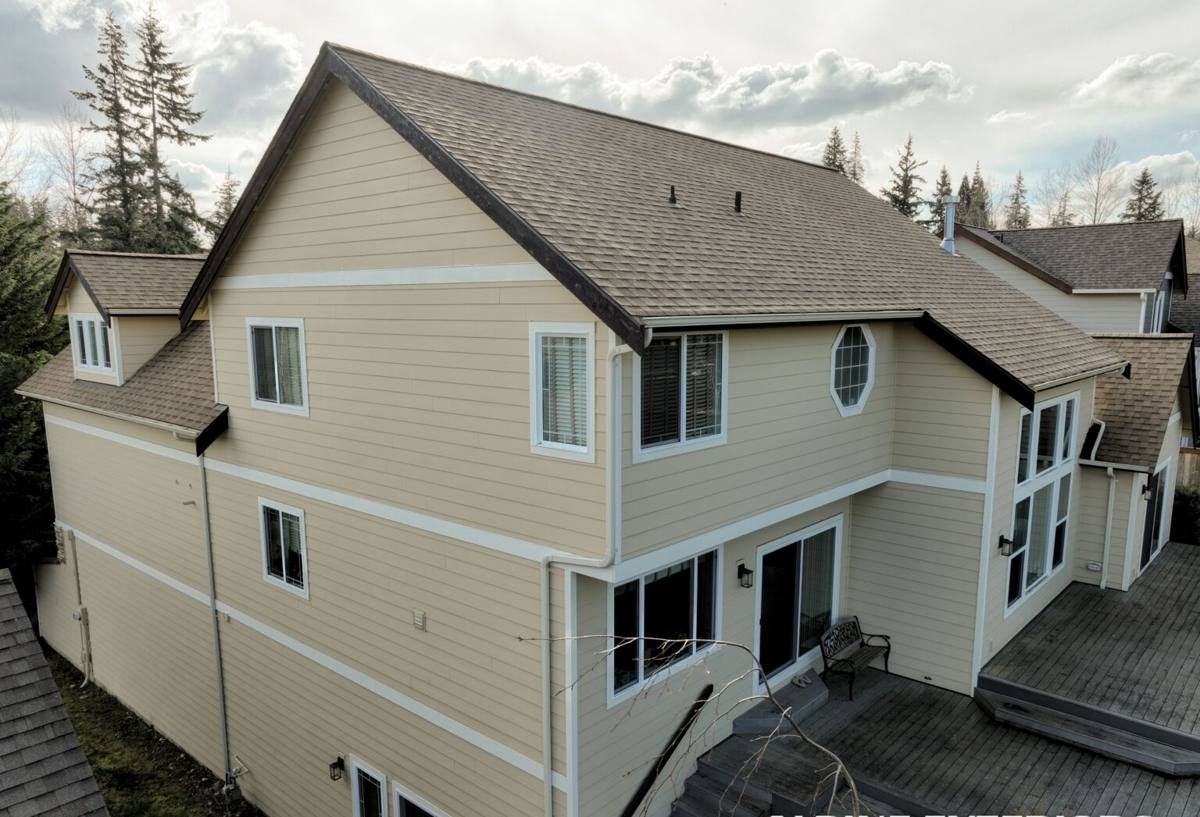
What the Local Climate Does to a Deck
Whatcom County's marine climate is mild, which is part of why people love living near the water here. But mild doesn't mean gentle on building materials. A few specific things drive most of the deck repair calls we get in this area:
Salt air and corrosion
Proximity to Puget Sound means airborne salt settles on everything, including deck hardware. Standard fasteners, bracket connectors, and even some "exterior-rated" screws corrode faster here than the same products would inland. Once a fastener starts rusting, it loses holding strength long before it looks obviously bad, which is why loose railings and squeaky boards are often a hardware problem, not just a wood problem.
Driving rain and hidden moisture
Rain here often comes sideways, driven by wind off the water. That matters for decks because water gets pushed into joints, under flashing, and behind ledger boards in ways that straight-down rain never would. A deck can look fine on the surface while the framing underneath has been absorbing moisture for years through a gap most people would never think to check.
Moss season and slip hazards
The long stretch of wet, low-light months lets moss and algae establish on any deck surface that doesn't get regular sun or airflow — shaded corners, north-facing decks, areas under overhangs. Beyond looking bad, a mossy deck surface gets genuinely slippery, and moss holds moisture against the wood underneath, accelerating rot in exactly the boards it's growing on.
Common Deck Problems We Find in This Area
Not every deck problem is dramatic. Some of the most costly ones are quiet until they aren't. Here's what we typically find when we inspect a deck near Lummi Nation:
- Soft or spongy decking boards, especially near the house or in shaded corners
- Rusted or failing joist hangers and structural screws, often invisible from above
- Ledger board separation or rot where the deck attaches to the house
- Loose or wobbly railings caused by corroded connection hardware, not just loose posts
- Moss and algae buildup on decking and stair treads, creating a slip hazard
- Gaps or failed flashing where the deck meets the house, letting water track into the wall
- Cracked or split boards from repeated wet-dry cycling over multiple seasons
- Stair stringers weakened at ground contact points, where moisture collects longest
What a Correct Deck Repair Actually Involves
Structure first, surface second
A repair that only replaces what's visible on top and ignores the framing underneath isn't a repair — it's a temporary patch. Before we touch a single decking board, we check the ledger board attachment, the condition of joists and beams, the post bases, and the hardware holding it all together. In this climate, hardware condition matters as much as wood condition, because corroded fasteners fail quietly and can undermine an otherwise sound structure.
Matching repair to cause
Replacing a rotten board without addressing why it rotted just buys you a few more years before the same spot fails again. If a board failed because of a drainage problem, a flashing gap, or standing water from poor slope, we fix that root cause as part of the repair — not as an upsell, but because otherwise we'd be doing the same job again in a few years.
Hardware upgrades where it counts
Where we find corroded fasteners, we don't just swap in the same grade of hardware. Given the salt air exposure common in this area, we use connectors and fasteners rated for coastal or high-corrosion environments wherever the original hardware clearly wasn't holding up. It costs a little more up front and saves you from repeating the repair.
Repair or Replace? How We Help You Decide
Not every damaged deck needs to come down. But some do, and an honest contractor will tell you which is which before starting work, not after opening things up and padding the invoice. Here's generally how we think through it:
| Condition Found | Usually Repairable | Usually Needs Replacement |
|---|---|---|
| Framing / joists | Isolated soft spots, minor surface rot | Widespread soft or crumbling wood, sagging joists |
| Ledger board | Minor gap or fastener issue, wood still solid | Significant rot or separation from the house |
| Decking boards | A few damaged or split boards | Most boards showing wear, splitting, or softness |
| Hardware | Scattered corrosion, structure otherwise sound | Corrosion widespread enough to question overall integrity |
| Age of deck | Under 15 years, built with standard practices | Older deck with outdated framing methods or unknown history |
When a deck falls into a mix of both columns, we'll walk you through the trade-offs honestly, including rough cost ranges for each path, so you can decide based on your budget and how long you plan to stay in the home — not based on pressure to pick the bigger job.
Our Deck Repair Process
- On-site inspection. We check the deck from the ground up — framing, hardware, ledger, surface — and probe suspect areas rather than just looking at them.
- Honest assessment. We tell you what's failing, why it likely failed given the exposure your deck has, and what your realistic options are.
- Written estimate. You get a clear scope of work and price before anything is scheduled — no surprise add-ons for things we should have caught during inspection.
- Repair work. Structural issues are addressed first, followed by decking, railings, and finish work, using hardware suited to this climate.
- Final walkthrough. We check the deck together so you know exactly what was done and what to keep an eye on going forward.
Material Choices That Make Sense Here
When boards need replacing, homeowners often ask whether to stick with the original wood or switch to composite decking. Both can work well near the water, but each comes with trade-offs worth knowing upfront rather than after the fact.
Wood decking is generally less expensive to repair in sections and easier to match to an existing deck's look, but it needs regular sealing or staining to hold up against the driving rain and moss growth typical of this area — skip that maintenance a couple of seasons and you're back to soft boards. Composite decking costs more per board but resists moisture absorption and moss growth better, which matters most on shaded or north-facing decks that never fully dry out between rains. Neither material is maintenance-free here; composite just shifts the maintenance burden from staining to occasional cleaning.
Whatever the decking material, we're selective about fasteners and structural hardware, since that's where we see the most climate-driven failures — not usually in the boards themselves.
Why Hiring a Crew That Already Works This Area Matters
Deck repair advice that works fine in a dry inland climate can be the wrong advice a few miles from Puget Sound. A crew that mostly works elsewhere may not think to check for salt-driven hardware corrosion, or may recommend standard fasteners that won't hold up under this area's conditions. We work in and around Lummi Nation regularly, so we already know what tends to fail here and why, rather than treating every deck as a generic repair.
Homes on or near Lummi Nation land can also involve permitting or approval steps that differ from the rest of Ferndale or unincorporated Whatcom County, depending on the specific property and its status. We take the time to figure out which rules actually apply to your project before work starts, rather than assuming one process fits every property in the area. That upfront diligence avoids delays and rework later.
A Quick Checklist Before You Call Anyone
- Note where the deck feels soft, bouncy, or spongy underfoot
- Check railings and stair handrails for looseness, not just visible damage
- Look underneath the deck, if accessible, for staining, sagging, or visible rust on hardware
- Check where the deck meets the house for gaps, dark staining, or soft siding
- Note any areas with persistent moss or algae, especially shaded or north-facing sections
- Ask any contractor you're considering whether they inspect framing and hardware, not just surface boards
If any of that sounds familiar, it's worth getting an honest inspection before the problem grows or someone gets hurt on a weak board or slick stair tread. If you're in or near Lummi Nation and want a straight answer on what your deck actually needs, request a free estimate below — there's no pressure and no obligation, just a clear look at what's going on and what it would take to fix it right.