 Ferndale
 Windows Built for Everywhere Else Don't Last Long in Sandy Point
Sandy Point sits right on the water, exposed to open wind and salt spray in a way that most Whatcom County neighborhoods simply aren't. A window that performs fine a few miles inland in Ferndale can start showing problems years earlier out here — corroded hardware, fogged glass, swollen sashes, stains bleeding down siding from a failing seal. None of that means the homeowner did anything wrong. It usually means the window wasn't specified, sealed, or flashed for a waterfront environment in the first place.
This page is specifically about window replacement for homes in and around Sandy Point. If you're just starting to research windows in general, our broader Window Replacement page covers the basics. Here we're talking about what actually matters when the house is a stone's throw from saltwater.
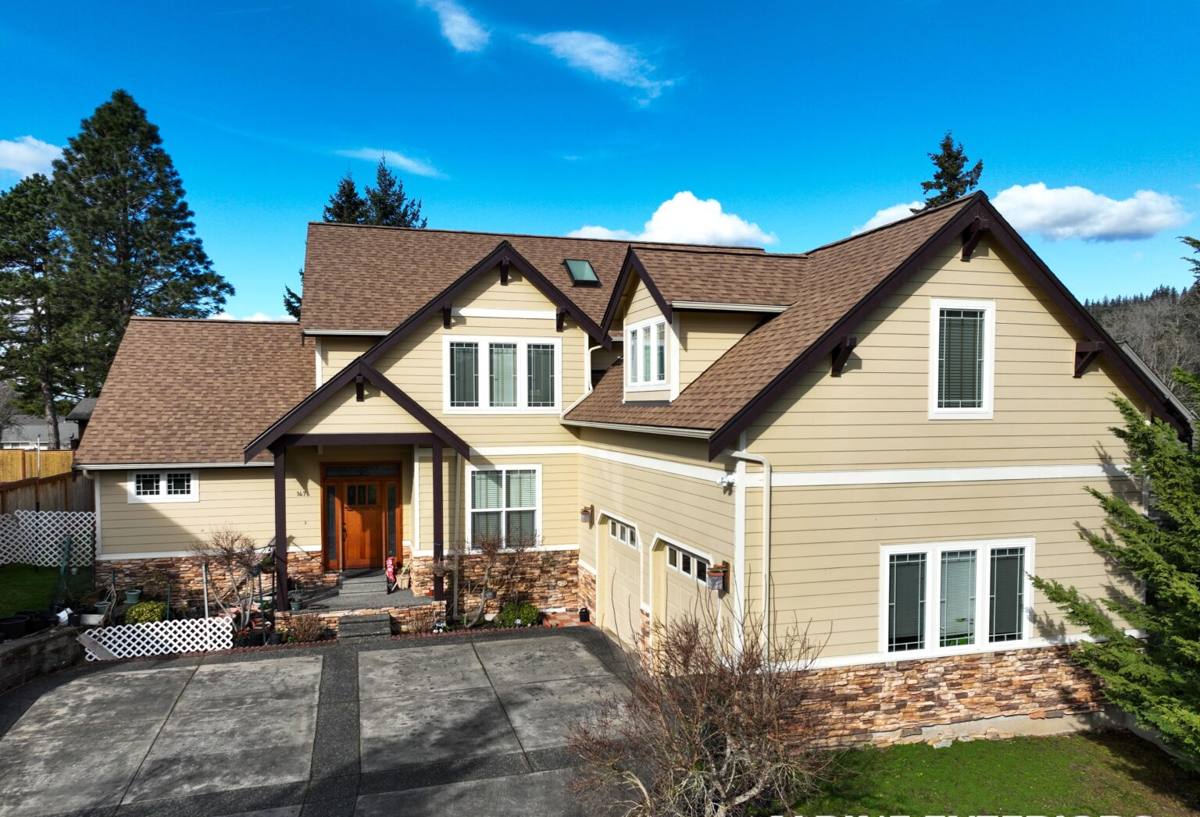
What Salt Air, Driving Rain, and Moss Season Actually Do to a Window
Three things work against windows out here, often at the same time:
Salt Air
Airborne salt is corrosive to bare and lightly-coated metal. Window balances, screen frames, cranks on casements, and especially lower-grade fasteners can start pitting or seizing up well before the glass itself fails. Aluminum-clad and vinyl frames handle this better than raw steel or unprotected aluminum hardware, but even good frames need corrosion-resistant fasteners and hardware to actually get the benefit.
Wind-Driven Rain
Sandy Point's exposure means rain doesn't just fall here — it's pushed sideways into the building envelope by wind coming off the water. A window that would stay dry in a sheltered inland lot can take on water at the same install quality if the flashing details weren't built for a wind-driven-rain condition. This is less about the window product and almost entirely about installation — we'll get into that below.
Moss and Sustained Damp
Whatcom County's long, wet moss season keeps wood trim, sills, and any exposed fasteners damp for extended stretches. Moss and algae hold moisture against surfaces longer than plain rain does, which accelerates rot in untreated wood components and keeps seals and caulking under more sustained stress than a drier climate would.
None of these are dramatic, one-time events. They're slow, cumulative wear — which is exactly why so many replacement calls we get in this area are for windows that are only 12–18 years old, not 30.
Signs a Sandy Point Home Needs Window Replacement
Some of these show up gradually enough that homeowners get used to them before realizing they're actually a problem:
- Fogging or a hazy film between panes of double- or triple-glazed glass — the seal has failed and the gas fill (or just the airspace) is compromised
- Hardware — cranks, locks, balances — that's stiff, corroded, or has visible pitting
- Soft, discolored, or spongy wood at the sill or lower frame corners
- Visible staining on siding or interior drywall below or beside a window
- Drafts you can feel with a hand near the frame on a windy day
- Windows that are noticeably harder to open/close than they used to be, especially wood or vinyl sashes that have swelled
- Condensation forming on the interior glass regularly, even with normal indoor humidity
- Visible gaps or cracking in exterior caulking or sealant around the frame
Any one of these on its own might just need a repair or a re-caulk. Several at once, or any sign of water intrunder the sill, usually means it's time to talk about replacement before the surrounding framing gets involved.
Choosing Materials and Glass That Actually Hold Up Here
There's no single "best" window — it depends on exposure, budget, and how much upkeep you want to take on. For a waterfront property like Sandy Point, here's how the common options compare:
| Frame Material | Salt Air / Moisture Behavior | Maintenance | Our Take |
|---|---|---|---|
| Vinyl | Won't corrode or rot; UV-stable formulations hold up well to coastal sun and salt exposure | Low — occasional cleaning | Strong all-around choice for most Sandy Point homes; look for reinforced corners and quality weatherstripping |
| Fiberglass | Excellent — dimensionally stable, resists swelling and doesn't corrode | Low | Worth the added cost on the most exposed elevations facing the water |
| Aluminum-clad wood | Good exterior protection if cladding and flashing details are done right; interior wood still needs protection from condensation | Moderate | Fine if you want a wood interior look, but installation precision matters more here than with vinyl or fiberglass |
| Bare wood | Poor in this exposure without diligent, ongoing maintenance | High | We generally steer waterfront clients away from unclad wood on exposed walls — it's a real maintenance commitment in a salt-air, high-moisture climate |
Glass and Hardware Details Worth Asking About
Beyond frame material, a few details matter more here than they would inland:
- Stainless or otherwise corrosion-resistant fasteners and hardware, not standard-grade
- Dual or triple-pane glass with a warrantied seal — the seal is what fails first in a marine climate
- Weatherstripping rated for wind-driven rain, not just draft-stopping
- Screens and hardware finishes rated for coastal/marine use where available
Why Installation Matters More Than the Window Itself
We'll say this plainly: most window failures we're called out to inspect on the water aren't a bad window — they're a flashing or sealing detail that wasn't built for wind-driven rain. A correct install in this environment includes:
Proper Flashing Sequence
Flashing has to be layered so that any water that gets behind the siding or trim is directed out, never trapped against the sheathing. That means the right order of building paper or house wrap, sill pan flashing, and head flashing — installed so each layer overlaps the one below it, shingle-style.
Sill Pan Protection
A sill pan under the window creates a dedicated drainage path for any water that does get past the sash, directing it back outside instead of letting it pool against the framing. On an exposed site like Sandy Point, we treat this as standard practice, not an upgrade.
Sealant Selection and Placement
Not all caulks and sealants are rated for the same movement and UV exposure. We use exterior-grade sealants suited to the wind and moisture load here, placed only where they should be — over-sealing a window (caulking every possible gap) can trap moisture just as badly as under-sealing it, since these details are also designed to let incidental water drain back out.
How We Approach a Sandy Point Window Job
- On-site assessment. We look at each window's exposure — a wall facing open water gets a different level of scrutiny than a sheltered side yard — and check for existing water intrusion or framing damage before quoting anything.
- Product recommendation matched to exposure. We'll tell you plainly where a standard vinyl window is fine and where it's worth spending more on fiberglass or upgraded hardware, based on which wall it's going on.
- Removal and inspection of the opening. Once the old window is out, we check the sheathing and framing underneath for rot or prior water damage before anything new goes in. If we find deterioration, we'll show you and talk through the repair before proceeding.
- Correct flashing and sill pan installation. This is the step that determines whether the window is still performing in ten years, not just on install day.
- Sealing, trim, and finish work. Done to shed wind-driven rain, not just to look clean.
- Final walkthrough. We test operation, check the seal lines, and go over care and warranty details with you before we consider the job done.
What Affects the Cost of a Window Replacement Project Here
| Factor | Why It Matters in Sandy Point |
|---|---|
| Number and size of windows | Straightforward — more openings, more material and labor |
| Frame material chosen | Fiberglass and upgraded hardware cost more upfront but reduce maintenance and corrosion risk on exposed walls |
| Condition of existing framing | Water-damaged sheathing or studs found during removal add repair scope — this is common on older homes with failed seals near the water |
| Exposure of each wall | Water-facing walls may warrant a higher-spec window or hardware than sheltered elevations, which affects per-window cost |
| Access | Waterfront lots sometimes have tighter site access or staging constraints that affect labor time |
We give straightforward written estimates broken down by these factors so you can see exactly where the money is going, rather than one lump number.
Why Local, Water-Exposure Experience Matters
A crew that mostly installs windows on sheltered inland lots isn't wrong about windows in general — they just haven't had to build the habit of treating every Sandy Point install like a wind-driven-rain condition by default. We work throughout Whatcom County, including waterfront properties around Ferndale, and we size up flashing, sealant choice, and hardware differently on an exposed wall than we would three miles inland. That's not marketing — it's just what holds up out here and what doesn't.
Simple Maintenance That Extends Window Life on the Water
Even a well-installed window benefits from basic upkeep in this climate:
- Rinse salt residue off frames and glass periodically, especially after storms
- Keep gutters and downspouts clear so runoff isn't sheeting down over window heads
- Check exterior caulking annually for cracking or separation and have it addressed before it fails fully
- Clear moss and organic debris from sills and trim rather than letting it sit damp against the surface
- Operate hardware (locks, cranks) periodically even on windows you don't open often, so corrosion doesn't set in unnoticed
If you're noticing drafts, fogging, sticking sashes, or any staining around your windows, we're happy to take a look and give you an honest read on whether it's a repair or a replacement situation. Reach out for a free, no-pressure estimate using the form below.