 Ferndale
 Decks Built for Sudden Valley's Wooded, Wet Conditions
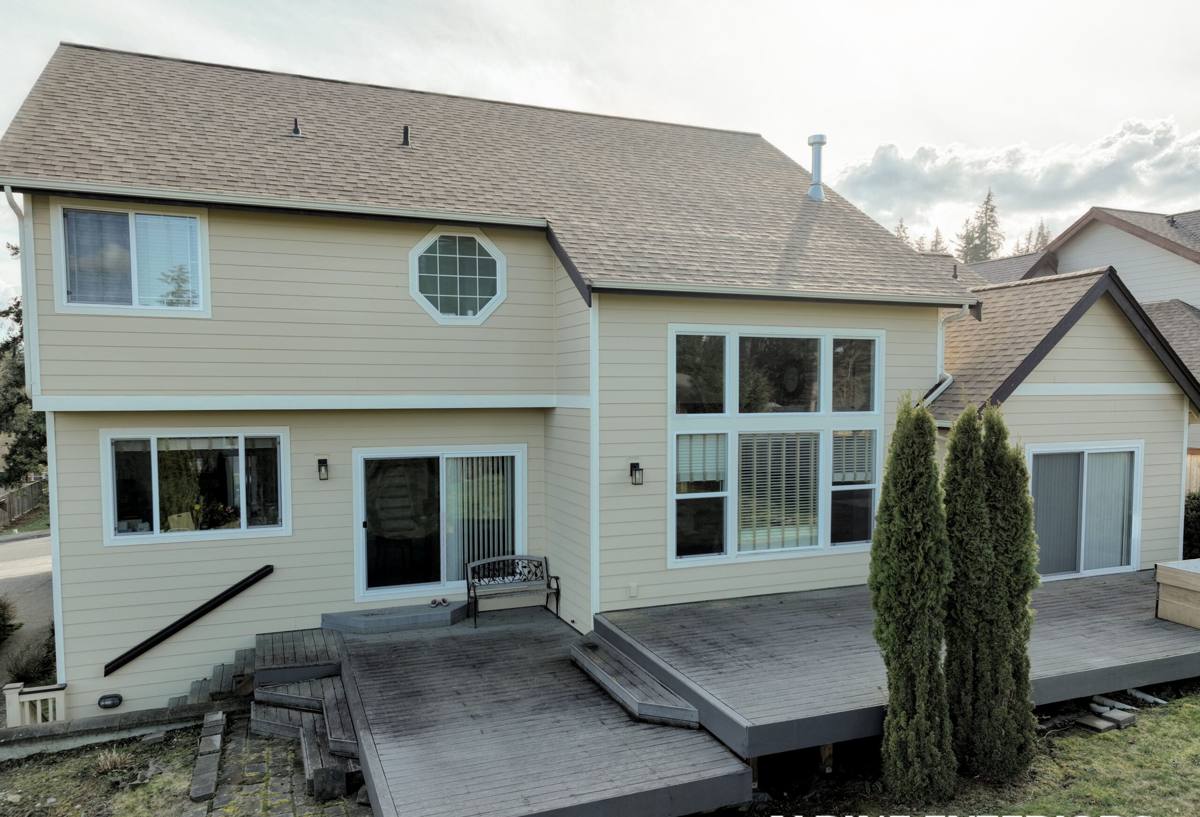
Sudden Valley homes sit on wooded, often sloped lots surrounded by tree cover and shade that make outdoor living spaces valuable — and hard on lumber. Whatcom County's marine climate means rain for a good stretch of the year, long stretches of overcast humidity, and shaded yards that hold moisture instead of drying it off quickly. Add tree cover to that mix and you get the two things that wreck a poorly built deck fastest: standing moisture and moss. A deck built for this setting has to be designed differently than one built for a dry, open lot in a different part of the state.
We've built and repaired decks throughout the Ferndale and greater Whatcom County area long enough to know which details matter here and which ones are just upsells. This page covers what a Sudden Valley deck actually needs, how we build one correctly, and what to expect from the process.
What This Climate Does to a Deck Over Time
Even away from the immediate shoreline, Sudden Valley sits inside the same marine air mass that blankets all of Whatcom County — persistent humidity, driving rain that comes in sideways during winter storms, and long gray stretches where surfaces simply don't get a chance to dry out. On a wooded, shaded lot, that moisture lingers even longer. The result is a predictable set of failure points on decks that weren't built with this in mind:
- Moss and algae growth on decking boards, especially on the north side of the house or under heavy tree canopy, creating a slip hazard and holding moisture against the wood surface.
- Rot at ledger boards and joists where the deck attaches to the house, if flashing wasn't installed correctly or water was allowed to sit against untreated wood.
- Fastener corrosion from cheaper hardware that wasn't rated for constant damp exposure, leading to rust streaks and loosened boards.
- Footing movement on sloped or clay-heavy lots where drainage wasn't planned for during excavation.
- Debris buildup between boards and around posts from falling needles and leaves, which traps moisture if gaps aren't sized correctly.
None of these are exotic problems. They're the direct, predictable result of building a deck the same way you would in a dry climate and hoping for the best. A deck designed for Sudden Valley's conditions from the start avoids nearly all of them.
Choosing the Right Decking Material for a Shaded, Wet Lot
Material choice matters more here than in drier parts of the state, because whatever you install is going to spend most of the year damp. We walk every homeowner through the real trade-offs rather than pushing whatever has the best margin.
| Material | How It Handles This Climate | Maintenance | Typical Lifespan Here |
|---|---|---|---|
| Pressure-treated wood | Affordable and strong, but needs consistent sealing to resist moss and moisture intrusion | Annual cleaning and re-sealing recommended | 10–15 years with upkeep |
| Cedar | Naturally rot-resistant and handles damp shade better than most softwoods, but still needs periodic finishing | Cleaning and finish renewal every 1–2 years | 15–20 years with upkeep |
| Composite decking | Resists rot and doesn't absorb water like wood, though moss and algae can still grow on the surface film in shaded areas | Periodic washing; no sealing or staining | 25+ years, varies by brand and quality tier |
| Capped composite / PVC | Best moisture resistance of the group; the capped surface sheds water and resists staining and mold better than uncapped boards | Occasional washing | 25–30+ years |
We don't push composite as a blanket answer — a well-built cedar or pressure-treated deck, properly finished and maintained, will hold up fine here too. What matters more than the brand name on the board is whether the framing underneath, the drainage, and the fastener hardware were done right. A premium composite deck on a poorly flashed ledger will still rot the house-side framing.
Why We're Selective About Uncapped Composite in Deep Shade
Uncapped composite boards can develop surface mold in constantly shaded, damp spots faster than capped products, simply because the exposed wood-fiber content on the surface holds moisture longer. That's not a defect claim against any manufacturer — it's a straightforward trade-off in surface technology, and it's why we talk homeowners through which product tier actually fits a heavily shaded lot versus a sunnier one.
Framing, Footings, and Ledger Attachment: Where Decks Actually Fail
The decking material gets all the attention, but the framing underneath is what determines whether a deck lasts. On Sudden Valley's sloped and often clay-heavy lots, three things get extra attention on every build:
Footings Sized for the Soil
Footing depth and diameter need to account for local frost depth and soil drainage, not a generic minimum. On sloped lots we also grade and plan drainage around footings so water doesn't pool and shift them over time.
Ledger Flashing Done Right
The ledger board — where the deck bolts to the house — is the single most common point of hidden rot on older decks in this region. Correct flashing (metal flashing plus a water-resistant barrier, installed in the right order relative to the siding) keeps water from tracking behind the board and into the house framing. This is not a step to shortcut, and it's invisible once the deck is finished, which is exactly why some past builds skip it.
Hardware Rated for Wet Exposure
We use fasteners and structural connectors rated for exterior, ground-contact, or wet-use applications as appropriate — not standard interior-grade hardware that will streak and corrode within a couple of wet seasons.
Our Deck-Building Process
- On-site assessment. We walk the lot, note slope, shade, drainage patterns, and how the deck will tie into the house, and talk through how you'll actually use the space.
- Design and material selection. We recommend decking, railing, and framing options based on your budget and how much shade and moisture exposure the location gets — not a one-size answer.
- Permitting. Most decks above a certain height or attached to the structure require a permit through Whatcom County or the applicable local jurisdiction. We handle that process rather than leaving it to the homeowner.
- Site prep and footings. Excavation, footing placement, and drainage grading, sized correctly for the soil and slope on your lot.
- Framing. Ledger attachment with proper flashing, joists, beams, and post connections using corrosion-resistant hardware throughout.
- Decking, railing, and finish work. Board installation with correct gapping for drainage and expansion, railing to code, and any stairs or lighting.
- Final walkthrough. We go over maintenance expectations specific to your material choice and site conditions before we consider the job done.
Living With Moss: Realistic Maintenance for This Climate
No deck in a wooded, wet part of Whatcom County is fully maintenance-free, no matter what material it's built from. What changes is how much maintenance and how often. A few things every Sudden Valley homeowner should plan for:
- Clear leaves and debris from between boards and around posts each fall — trapped organic matter is what feeds moss growth.
- Rinse or lightly scrub shaded areas of the deck once or twice a year, especially north-facing sections or spots under heavy tree cover.
- Check and refresh sealant on wood decking on the schedule appropriate to the product — skipping this is the fastest way to shorten a wood deck's life.
- Keep gutters and downspouts near the deck clear so runoff isn't dumping extra water onto or under the structure.
- Inspect ledger flashing and fastener condition every couple of years, particularly on older decks that predate current flashing standards.
None of this is complicated, but it does need to actually happen. A deck that's ignored for several wet seasons in a row will show it faster here than almost anywhere else in the state.
Permits and Local Code in the Ferndale and Whatcom County Area
Attached decks and elevated structures typically require a building permit, with requirements around railing height, guard spacing, footing depth, and ledger attachment method. Requirements can vary depending on the deck's height, size, and whether it's attached to the house. We manage the permitting and inspection process as part of the build so you're not stuck decoding code language or scheduling inspections yourself.
What Affects the Cost of a Sudden Valley Deck
| Factor | Why It Matters Here |
|---|---|
| Site slope and access | Sloped or wooded lots can require more excavation, taller footings, or extra equipment access |
| Decking material tier | Wood, standard composite, and capped composite carry different upfront and long-term costs |
| Ledger and flashing detail | Correct flashing takes more labor time than a shortcut job, but it's what prevents hidden rot |
| Footing count and depth | Soil conditions and drainage planning can change how many footings and how deep they need to go |
| Railing and stair complexity | Custom railing styles, multiple stair runs, or grade changes add labor and material |
| Size and layout | Multi-level decks or wraparound designs cost more than a single rectangular platform |
We give straightforward, itemized estimates rather than a single vague number, so you can see where the cost is actually going and make informed choices about where to spend and where to save.
Why Hire a Crew That Already Works in Sudden Valley
A contractor who mostly builds decks in dry, open subdivisions elsewhere in the state doesn't necessarily think about ledger flashing, footing drainage, or moss-prone shade the same way a crew that regularly works Whatcom County's wooded, wet lots does. We've built and repaired decks throughout the Ferndale area and understand what this specific climate and terrain does to a structure over years, not just what looks good on installation day. That local familiarity shows up in the details — flashing sequence, hardware selection, drainage grading — that don't matter until several rainy seasons in, and by then a shortcut is expensive to fix.
A Few Questions Worth Asking Any Deck Contractor
- How do you flash the ledger board where it meets the house?
- What fastener and hardware rating do you use for exterior, wet-exposure conditions?
- How are footings sized for sloped or clay-heavy soil?
- Do you handle the permit and inspection process, or is that on the homeowner?
- What's the realistic maintenance schedule for the decking material you're recommending?
If a contractor can't answer those clearly, that's worth noticing before you sign anything.
If you're planning a new deck or replacing an aging one in Sudden Valley, we're glad to come take a look, walk the site, and put together a straightforward, no-pressure estimate. Use the form below to get started.